


 English
 中文简体
中文简体 русский
Industry news
 Home / News / Industry news / What are the common problems and solutions affecting the quality of electrofusion welding
 What are the common problems and solutions affecting the quality of electrofusion welding
 2026.03.09
 Industry news
Electrofusion welding is widely used in the installation of HDPE (High-Density Polyethylene) piping systems due to its reliability and efficiency. However, several factors can influence the quality of electrofusion welds. Identifying and addressing common issues before and during the welding process is crucial to ensuring strong, durable, and leak-free pipe joints. Below are some of the most frequent problems affecting electrofusion welding quality and their solutions.
1. Improper Control of Welding Time
Welding time plays a pivotal role in the quality of the electrofusion joint. If the welding time is too short, the HDPE material may not fuse properly, resulting in weak joints. On the other hand, excessive welding time can lead to overheating, causing the material to burn and affecting the integrity of the weld.
Solution: Welding time must be controlled precisely according to the manufacturer's guidelines. The welding machine should be set based on factors such as pipe and fitting sizes, environmental temperature, and material specifications. Utilizing automatic electrofusion machines with preset parameters can help ensure that the welding time is consistent and meets required standards.
2. Mismatch Between Fitting and Pipe Size
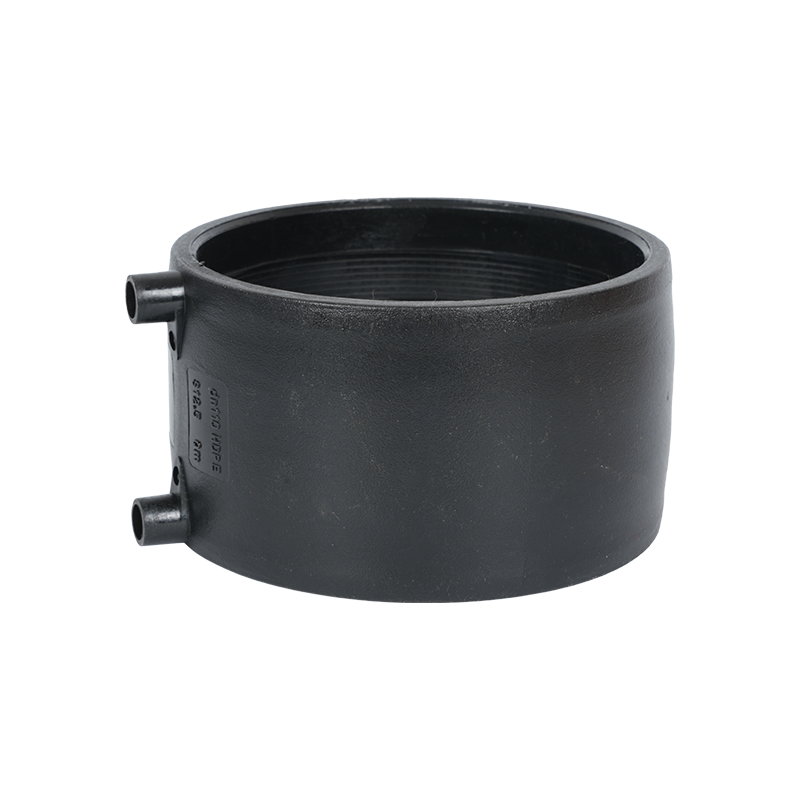
The diameter of the electrofusion fittings must match the size of the HDPE pipe. A mismatch in size can result in poor contact between the pipe and the fitting, leading to weak welds or even complete weld failure.
Solution: Before welding, ensure that both the pipe and the electrofusion fitting are compatible in size. It is essential to measure and verify that the fitting’s internal diameter matches the external diameter of the pipe. If any discrepancies are found, choose fittings that are appropriately sized for the pipe.
3. Improper Preparation of Pipe Ends
The preparation of the pipe ends is one of the most critical aspects of electrofusion welding. If the pipe ends are uneven, contaminated with dirt, or have oxidation layers, the electrofusion process may fail, resulting in weak joints. Poor preparation can also cause irregular heat distribution during welding.
Solution: Proper pipe end preparation is essential for a successful weld. The pipe ends must be cut straight, smooth, and free of contaminants. Use tools like pipe cutters, sandpaper, or wire brushes to remove any oxidation or debris. Ensuring that the pipe ends are clean and flat guarantees better fusion between the pipe and the fitting.
4. Inadequate Environmental Temperature
Temperature has a significant impact on the electrofusion process. Low temperatures can make the HDPE material more rigid, making it difficult for the fitting to properly fuse with the pipe. High temperatures can cause excessive heating of the fitting and pipe, leading to material degradation and weak welds.
Solution: It is essential to conduct electrofusion welding within the recommended temperature range, typically between 5°C to 45°C (41°F to 113°F). In colder environments, heating devices can be used to bring the pipe and fitting to an optimal temperature before welding. In hot climates, the welding parameters, such as time and power, should be adjusted to avoid overheating the materials.
5. Incorrect Machine Settings
The settings of the electrofusion welding machine are crucial for achieving a successful weld. Incorrect parameters, such as voltage, current, or welding time, can negatively impact the fusion process and lead to weak joints that are susceptible to leaks.
Solution: Adjust the welding machine’s settings based on the pipe and fitting specifications, as well as environmental conditions. Ensure that the voltage, current, and welding time are set correctly. Using advanced electrofusion machines with automatic adjustments can help minimize human error and ensure precise control over the welding process.
6. Poor Operator Skills and Inconsistent Practices
Electrofusion welding requires skilled technicians who understand the nuances of the process. Improper handling of equipment, failure to follow welding procedures, or lack of monitoring during the welding process can all lead to suboptimal welds.
Solution: All technicians involved in electrofusion welding should undergo comprehensive training. They must be familiar with the equipment, the procedures, and the safety protocols required for high-quality welds. Supervisors should ensure that operators follow the correct procedures and regularly inspect the welding process to ensure adherence to standards.
7. Fitting Quality Issues
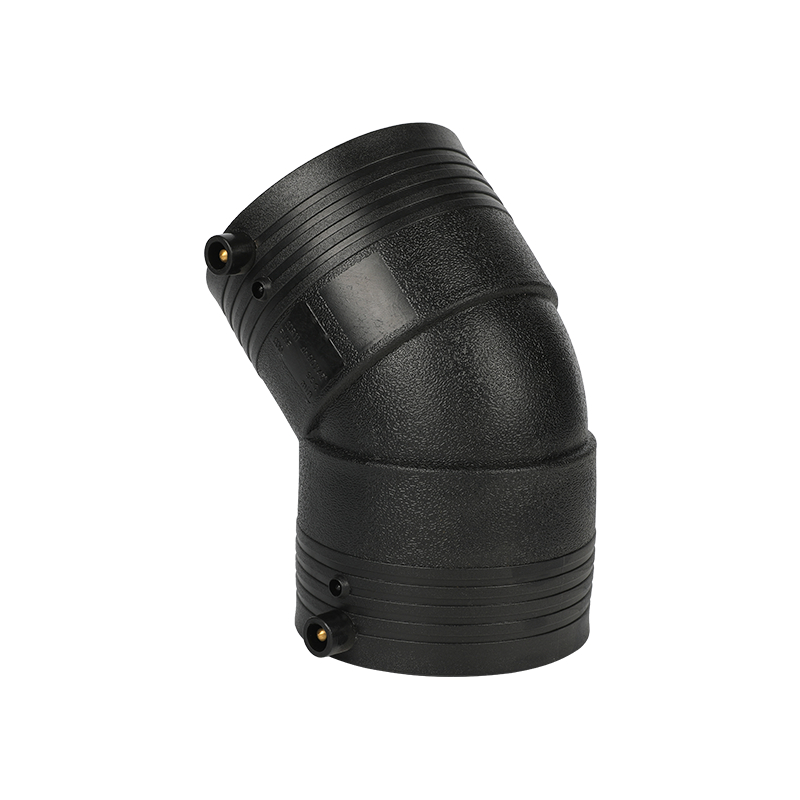
The quality of electrofusion fittings plays a significant role in the overall welding outcome. Poorly manufactured fittings with defects such as cracks, rough surfaces, or material inconsistencies can lead to weak joints and eventual failure of the system.
Solution: Always choose high-quality, certified electrofusion fittings from reputable manufacturers. Prior to installation, inspect each fitting for signs of damage, such as cracks, dents, or surface irregularities. If any fittings are defective, they should be replaced before proceeding with the welding process.
8. Inadequate Surface Cleaning Before Welding
If the surface of the pipe or fitting is not properly cleaned before welding, contaminants such as dirt, grease, or moisture can interfere with the fusion process. These impurities prevent the pipe and fitting from bonding properly, resulting in weak or defective welds.
Solution: Thoroughly clean the surfaces of both the pipe and the fitting before starting the welding process. Use suitable cleaning agents, wire brushes, or sandpaper to remove any contaminants. A clean, smooth surface ensures optimal heat transfer during welding, leading to stronger, more reliable joints.
KEEP IN TOUCH

About Us
Zhejiang Fengfeng Pipe Industry Co., Ltd. uses efficient single screw injection molding machines for high productivity and low energy use.
Products link
Contact
-

+86-19858193396
+86-13735359894 -

+86-0574-63555288
-

-

No. 21, Market Road, Diankou Town, Zhuji City, Shaoxing City, Zhejiang Province, China