


 English
 中文简体
中文简体 русский
Industry news
 Home / News / Industry news / What are the preparatory steps for HDPE electrofusion fittings installation
 What are the preparatory steps for HDPE electrofusion fittings installation
 2026.03.02
 Industry news
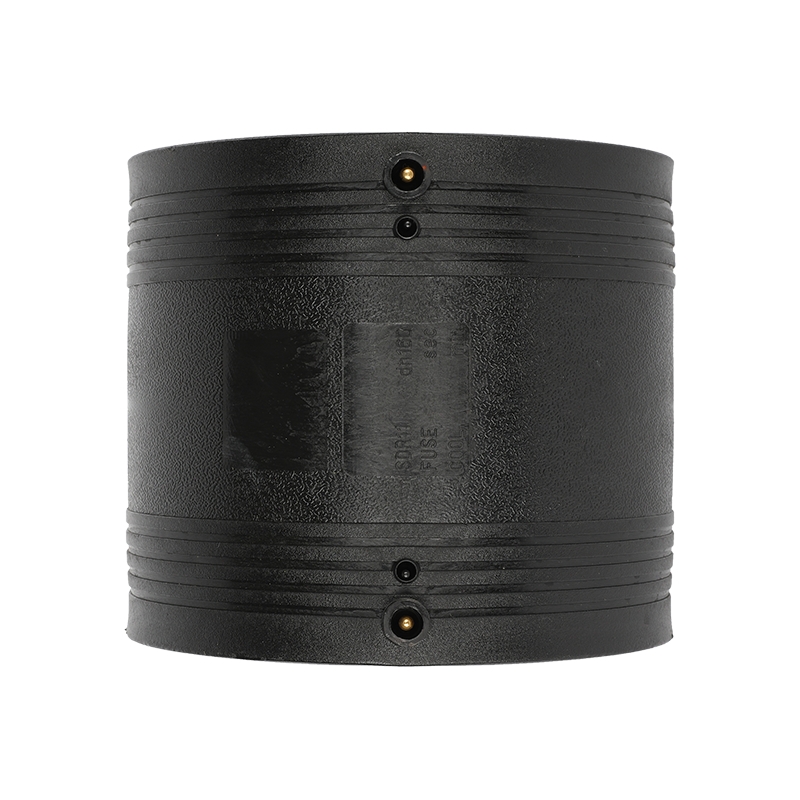
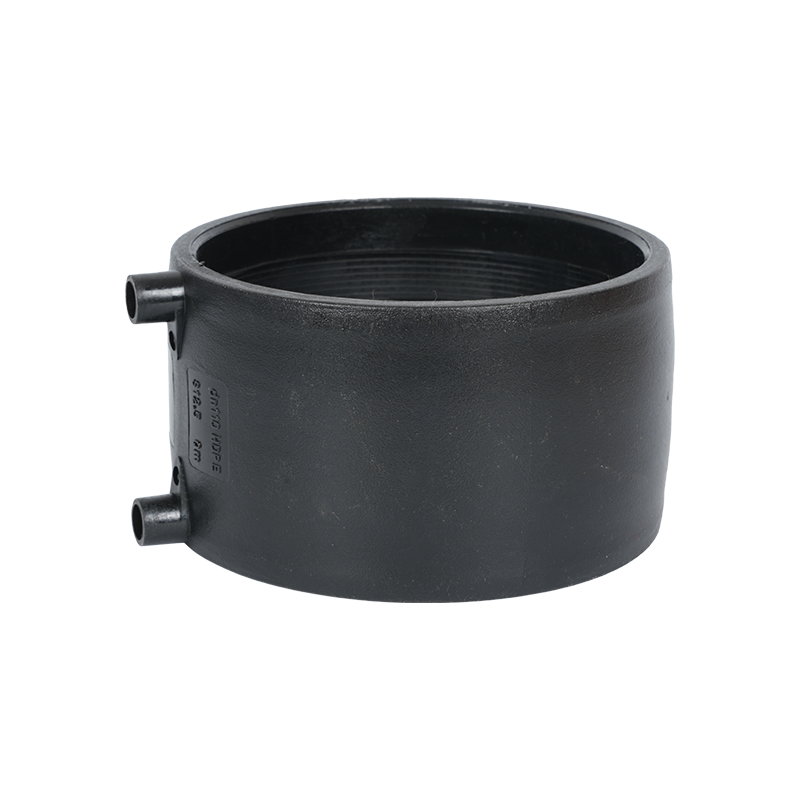
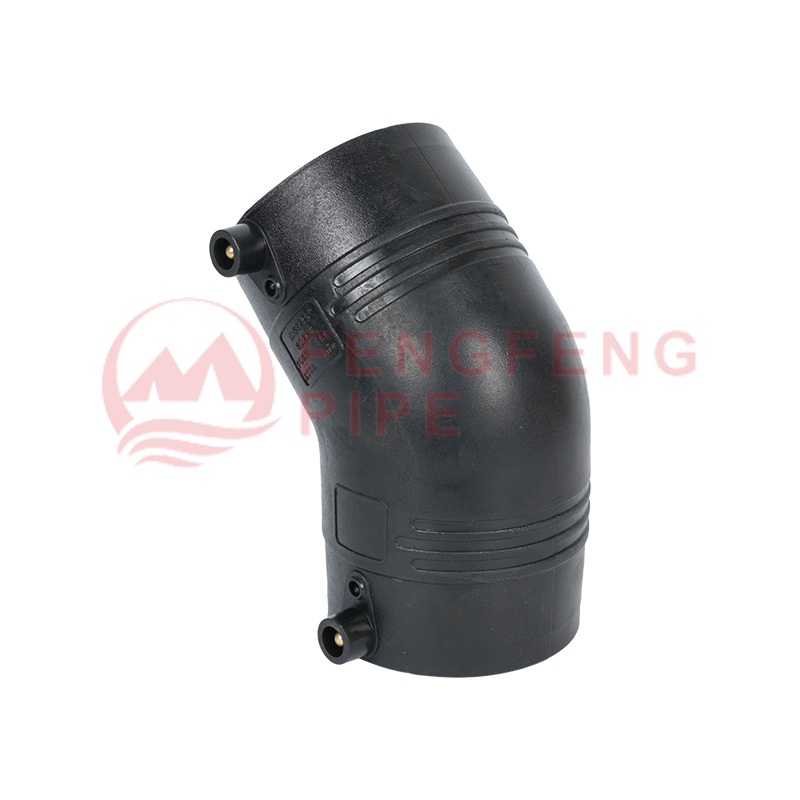
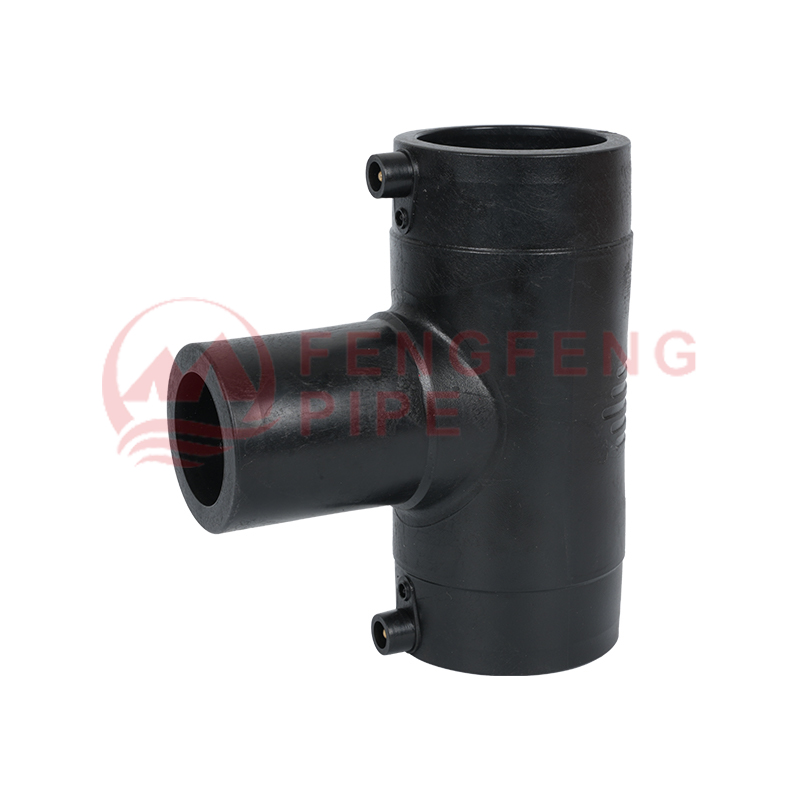
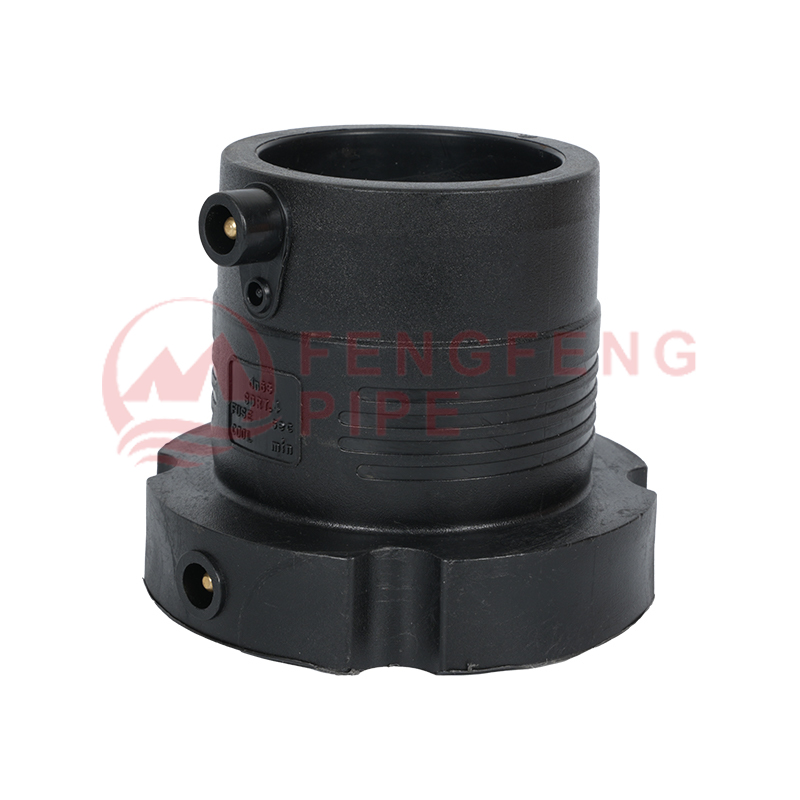
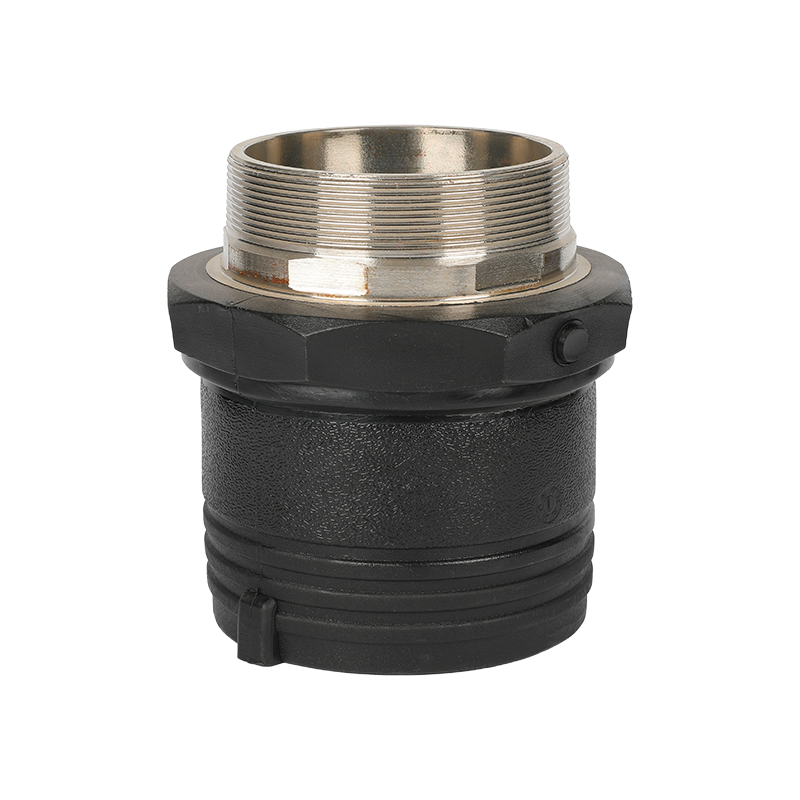
Before installing HDPE Electrofusion Fittings (HDPE Electrofusion Fittings), meticulous preparatory work is essential to ensure that the joints are reliable and the system remains leak-free. Proper preparation minimizes the risk of installation failures, such as leaks and poor joint strength, which could compromise the integrity of the pipeline. Below is a detailed outline of the preparation work required before commencing the installation of HDPE Electrofusion Fittings.
1. Equipment and Tool Inspection
Prior to the installation of HDPE Electrofusion Fittings, it is essential to conduct a thorough inspection of all the equipment and tools that will be used. The electrofusion welding machine is the most crucial piece of equipment. The installation team must check whether the power supply is stable, and confirm that the voltage and current settings on the welding machine are appropriate. Additionally, ensure that the cables, connectors, and welding heads are in good condition. All necessary auxiliary equipment, such as temperature control devices and pressure monitoring instruments, should also be checked to guarantee that everything functions properly during the welding process.
2. Material Preparation and Inspection
Before proceeding with the installation, all materials used for electrofusion welding should be carefully inspected. The quality of HDPE Electrofusion Fittings directly influences the stability of the welds and the overall reliability of the piping system. During material preparation, it is important to verify that the selected fittings match the specifications and dimensions of the pipes. Ensure that the materials are free from defects, such as cracks, scratches, or other damage. It is also essential to check the product’s certification, manufacturing date, batch number, and other relevant documentation to confirm the quality and authenticity of the materials.
3. Safety Measures and Site Preparation
Safety is a top priority during the installation of HDPE Electrofusion Fittings. Before starting the installation, the construction site should be cleared of any debris or obstacles that could interfere with the welding equipment or cause safety hazards. Clearly visible safety signs should be placed around the installation area, and appropriate safety barriers should be set up to prevent unauthorized personnel from entering the site. All workers should wear the necessary personal protective equipment, such as gloves and safety goggles, to avoid burns, electrical shocks, or other injuries during the welding process.
The temperature and humidity of the environment also play a critical role in the success of the welding process. Electrofusion welding should not be performed in extreme weather conditions. Low temperatures may reduce the flexibility of the HDPE pipes, potentially affecting the strength of the welds. High temperatures or high humidity levels could lead to fluctuations in welding parameters, which may affect the quality of the joints. Therefore, it is recommended to carry out the installation under favorable climate conditions to ensure stable welding performance.
4. Joint Surface Preparation and Cleaning
The quality of electrofusion welding is directly influenced by the cleanliness of the pipe and fitting surfaces. Prior to welding, the ends of the HDPE pipes must be thoroughly cleaned to remove any dirt, oil, moisture, or other contaminants that could affect the welding process. Use appropriate tools, such as wire brushes or sandpaper, to remove the oxidation layer and any other foreign material on the surface of the pipe. The surface of the pipe should be smooth and free of imperfections to ensure proper bonding between the pipe and the electrofusion fitting. Additionally, the cut ends of the pipes should be straight and uniform to ensure the best possible joint quality during the welding process.
5. Checking Fitting and Pipe Alignment
Before starting the electrofusion welding process, ensure that the HDPE Electrofusion Fittings align properly with the pipes. The fitting should match the diameter of the pipe, and there should be no gaps or deformations at the connection point. The angle of the pipe and fitting must also meet the standard specifications to ensure that the weld is uniform and secure. Misalignment during installation can lead to weak or unstable joints, causing potential failures in the pipeline system.
During the alignment process, it is crucial to check the insertion depth of the fitting into the pipe. Ensure that the fitting is inserted deeply enough into the pipe according to the manufacturer’s specifications. If the insertion depth is insufficient, it will affect the quality of the electrofusion weld and may result in a faulty joint. For large diameter pipes, special care should be taken to support and properly position the fittings to ensure accurate alignment and placement.
6. Confirming Welding Parameters and Process Settings
Before initiating the welding process, it is essential to confirm the welding parameters and adjust the electrofusion machine accordingly. The power, welding time, and pressure settings should be based on the specific dimensions of the HDPE pipe and fitting, as well as environmental conditions, such as ambient temperature. Incorrect welding parameters, such as too short a welding time, may result in poor joint strength, while excessive welding time could lead to overheating, damaging the materials. The welding parameters should be carefully adjusted to match the requirements of the installation for optimal performance and weld integrity.
7. Preparing the Construction Plan and Workflow
Prior to starting the installation, a detailed construction plan should be developed, outlining the step-by-step process of welding, inspection, and quality control. The plan should include the welding sequence, procedures, and necessary safety measures, ensuring that each task is carried out efficiently and according to standards. The construction team must follow this plan strictly, and supervisors should ensure that all workers adhere to the established workflow, helping to avoid mistakes and delays.
8. Staff Training and Technical Briefing
It is essential to conduct thorough training for all personnel involved in the installation process. Workers should be trained in the proper techniques for handling HDPE Electrofusion Fittings and operating the electrofusion machines. During the technical briefing, supervisors should explain the installation procedures, safety protocols, and potential challenges, ensuring that all workers are fully aware of their responsibilities. By equipping the team with the necessary skills and knowledge, it becomes easier to avoid operational errors that may lead to subpar welding quality.
By following these thorough preparatory steps, the installation of HDPE Electrofusion Fittings can be completed efficiently, ensuring a strong, reliable connection that meets industry standards. Proper planning and preparation are essential to achieving long-lasting, leak-free piping systems that perform well over time.
KEEP IN TOUCH

About Us
Zhejiang Fengfeng Pipe Industry Co., Ltd. uses efficient single screw injection molding machines for high productivity and low energy use.
Products link
Contact
-

+86-19858193396
+86-13735359894 -

+86-0574-63555288
-

-

No. 21, Market Road, Diankou Town, Zhuji City, Shaoxing City, Zhejiang Province, China