


 English
 中文简体
中文简体 русский
Industry news

How to Improve the Reliability of HDPE Piping Systems
 2026.05.25
 Industry news
In modern fluid conveyance engineering, the reliability of piping systems determines the overall safety level of operations. As a core component of industrial and municipal infrastructure, polyethylene pipe fittings have become the preferred material in the field of fluid conveyance due to their outstanding impact resistance, corrosion resistance, and flexibility. By scientifically selecting and correctly installing poly pipe fittings, the service life and operational efficiency of the system can be significantly improved.
Classification and Technical Characteristics of HDPE Fittings
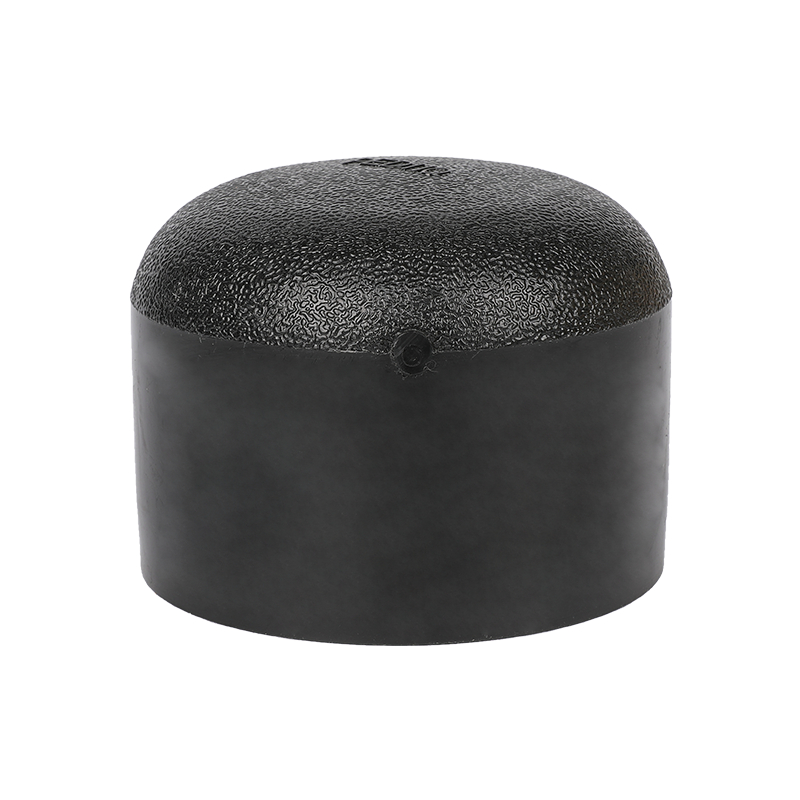
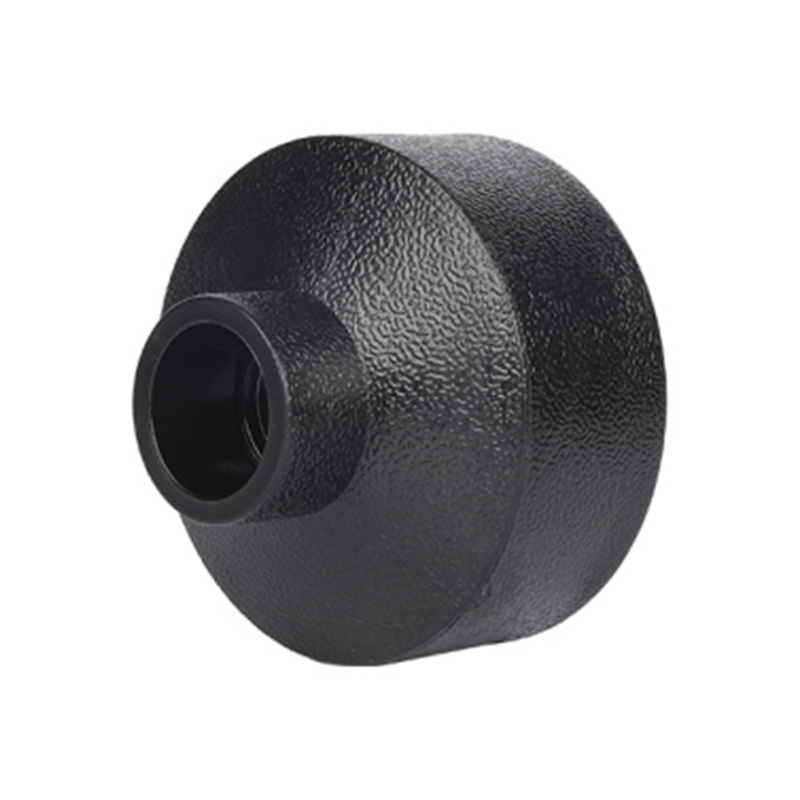
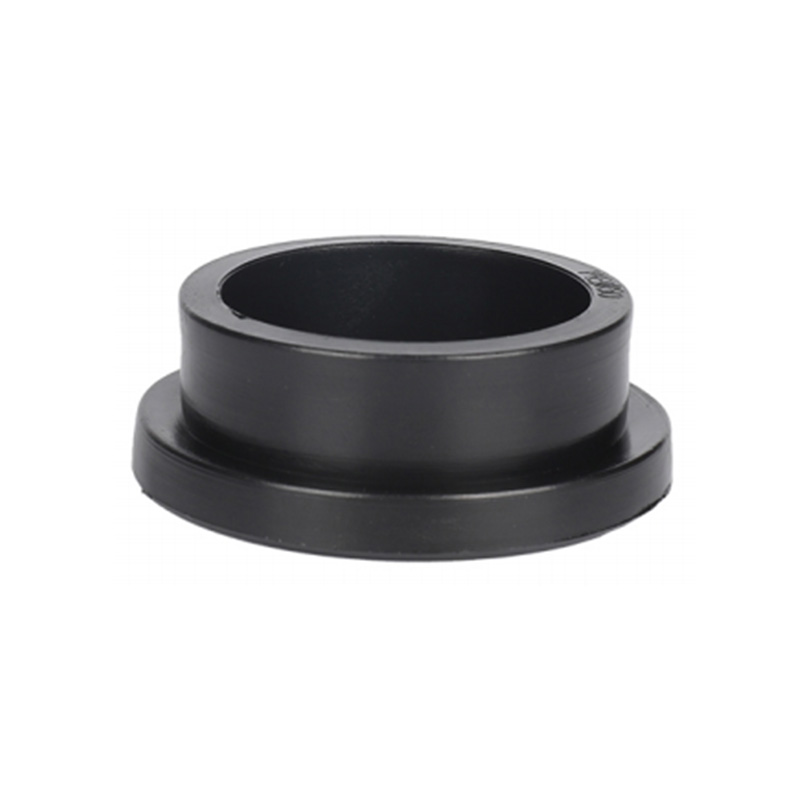
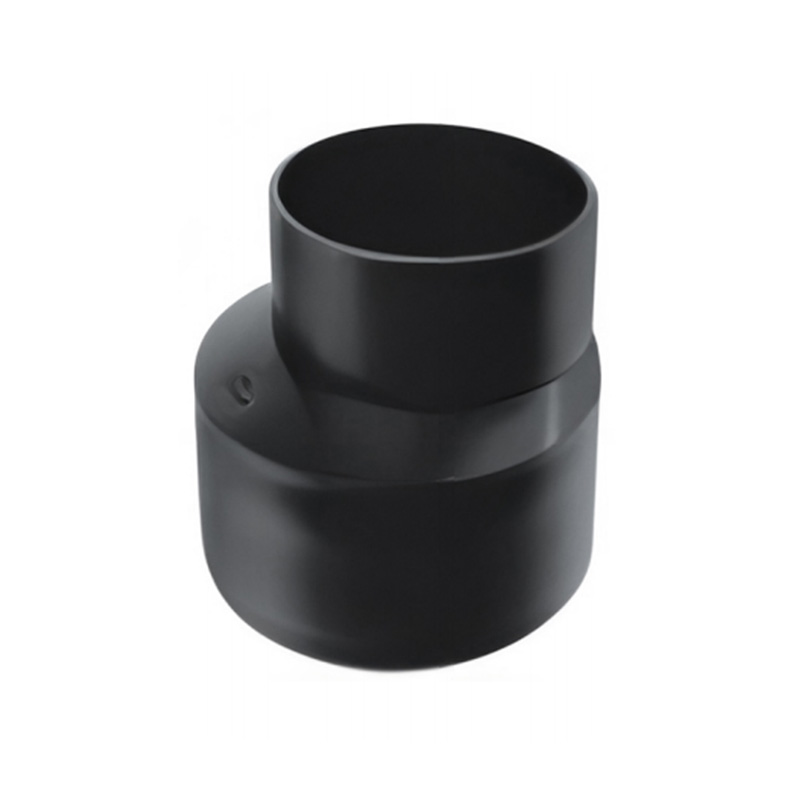
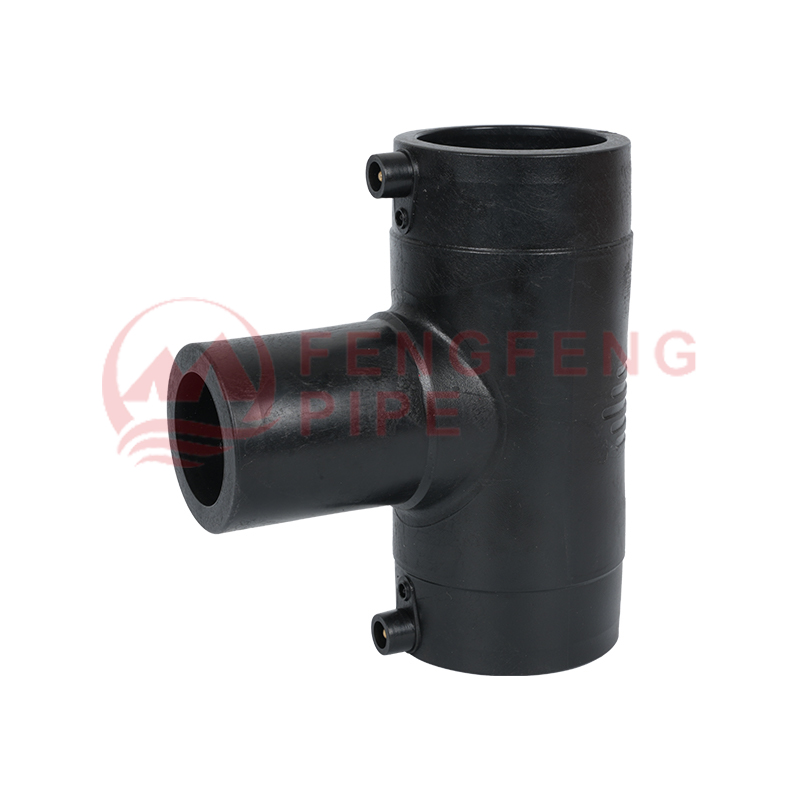
In engineering practice, the application of hdpe pipe fittings covers fields such as water supply, gas, chemical engineering, and drainage. To meet the needs of different working conditions, pe pipe fittings are subdivided into various structural types.
Based on different connection methods, common classifications include:
Butt Fusion Fittings: Suitable for medium and large diameter pipelines, achieving molecular-level fusion through heating and pressure, with structural strength equal to that of the pipe body.
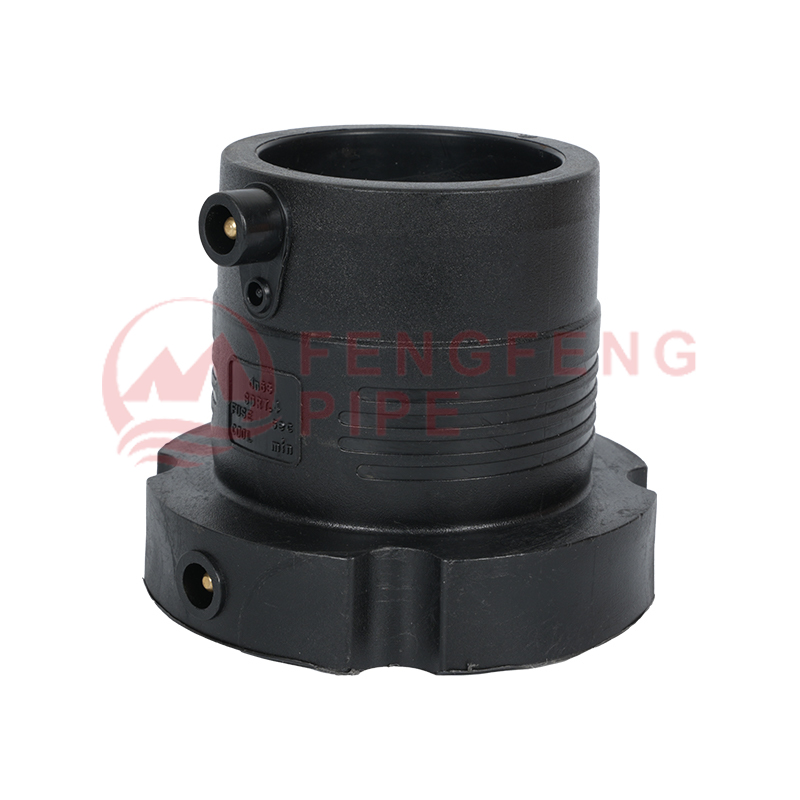
Electro-fusion Fittings: Equipped with internal electric heating wires, fused through electrical heating, particularly suitable for operations in confined spaces or leak repairs.
Mechanical Fittings: Including flanges and compression fittings, used for connections between piping systems and valves, instruments, or pipes of different materials.
Selection and Application of HDPE Transition Fittings
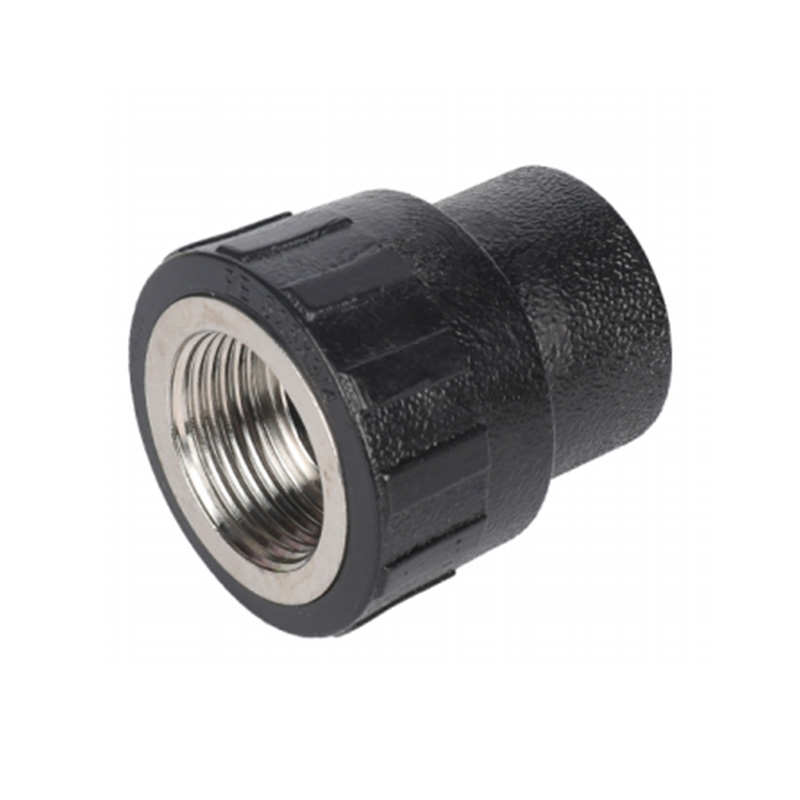
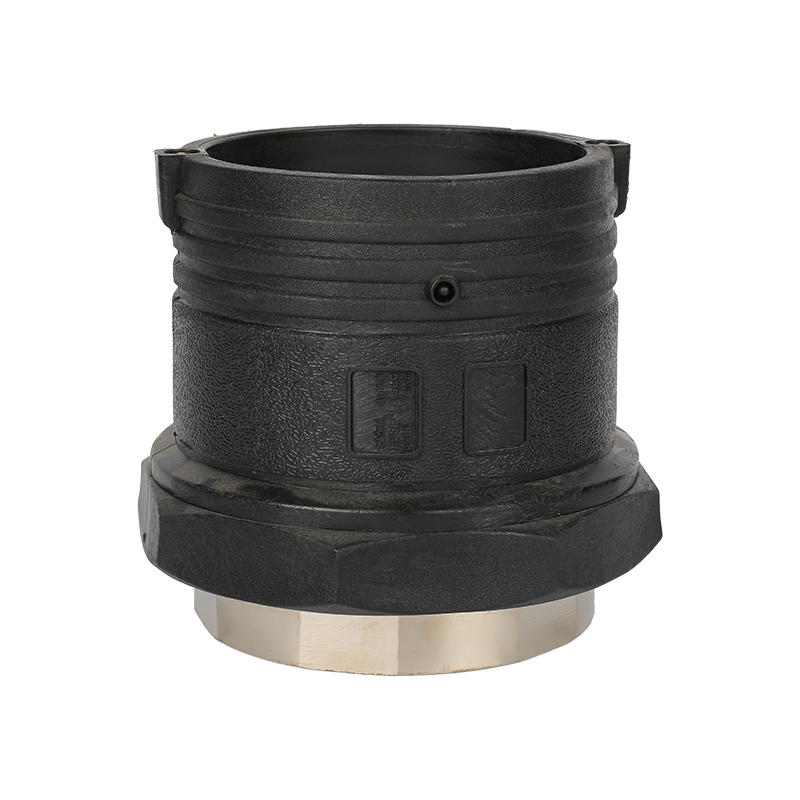
In complex piping systems, connecting pipes of different materials or pressure ratings is a major engineering challenge. hdpe transition fittings play a critical role in solving such problems. These fittings typically adopt a composite structure of metal and polyethylene, utilizing special mechanical locking or chemical bonding processes to ensure high sealing performance even in environments with frequent thermal expansion and contraction.
When selecting hdpe transition fittings, engineers should focus on the following technical parameters to ensure system performance compatibility:
| Parameter Category | Technical Focus | Typical Range |
| Material Grade | PE resin density and grade | PE100 / PE80 |
| Pressure Rating (PN) | Maximum allowable operating pressure | PN6 / PN10 / PN16 |
| Melt Flow Rate | Welding flow characteristics | 0.2 - 1.4 g/10min |
| Tensile Strength | Mechanical load capacity of joint | ≥ 20 MPa |
Professional Installation and Quality Control of HDPE Fusion Fittings
The performance of hdpe fusion fittings depends not only on the quality of the product itself but also on the execution of the process during construction. When performing heat fusion or electro-fusion connections, the following principles must be strictly followed:
End Face Preparation: Use professional facers to flatten the pipe ends to ensure perfect contact and remove the oxidation layer, which is the foundation for ensuring the welding strength of polyethylene fittings.
Temperature and Time Control: Strictly follow the requirements for heating temperature (usually 210℃-230℃) and heating time based on the wall thickness of the hdpe fusion fittings. Adjust cooling time according to ambient temperature.
Alignment: Ensure that the pipe and fitting are on the same axis during the fusion process to avoid internal stress. Maintain pressure until the weld completely cools and solidifies; avoid premature movement or pressurization.
Sealing Reliability and System Maintenance
Whether building large-scale water supply networks or small-scale industrial pipeline modifications, choosing high-quality polyethylene fittings is core to reducing future maintenance costs. During pipeline operation, if local pressure anomalies or leaks occur, verify the integrity of the welding interface of hdpe pipe fittings using ultrasonic detectors. Good welds should demonstrate the characteristic ductility of polyethylene material when subjected to tensile forces rather than brittle fracture. Through standardized, full-process monitoring, it is possible to ensure zero-leakage operation within the design life cycle of the piping system, thereby ensuring the safety and stability of fluid conveyance.
KEEP IN TOUCH

About Us
Zhejiang Fengfeng Pipe Industry Co., Ltd. uses efficient single screw injection molding machines for high productivity and low energy use.
Products link
Contact
-

+86-19858193396
+86-13735359894 -

+86-0574-63555288
-

-

No. 21, Market Road, Diankou Town, Zhuji City, Shaoxing City, Zhejiang Province, China