


 English
 中文简体
中文简体 русский
Industry news
 Home / News / Industry news / How to Ensure Maximum Integrity When Installing HDPE Butt Fusion Fittings and Piping Systems
 How to Ensure Maximum Integrity When Installing HDPE Butt Fusion Fittings and Piping Systems
 2026.06.01
 Industry news
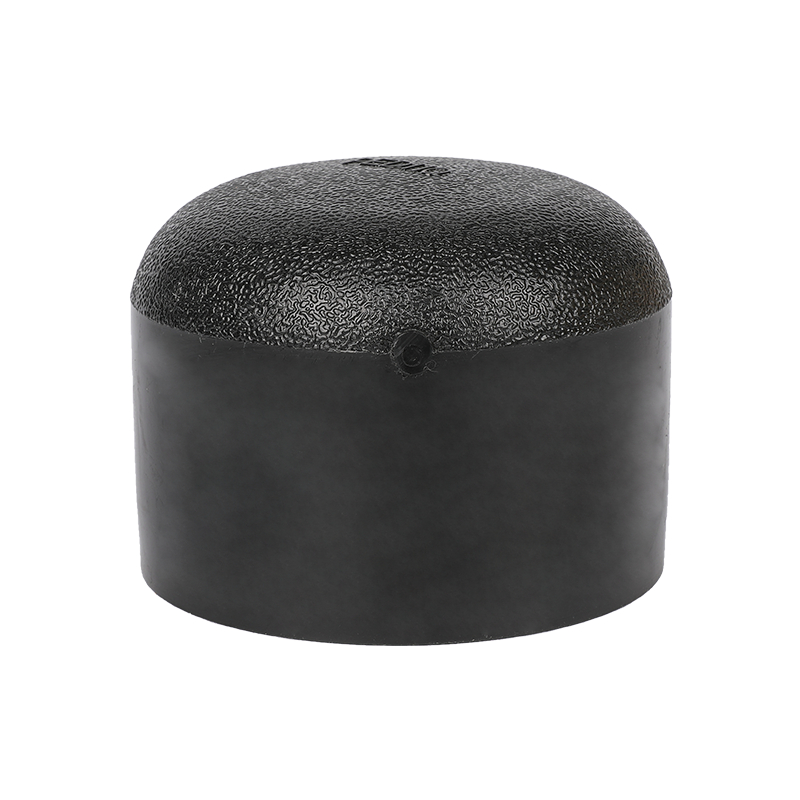
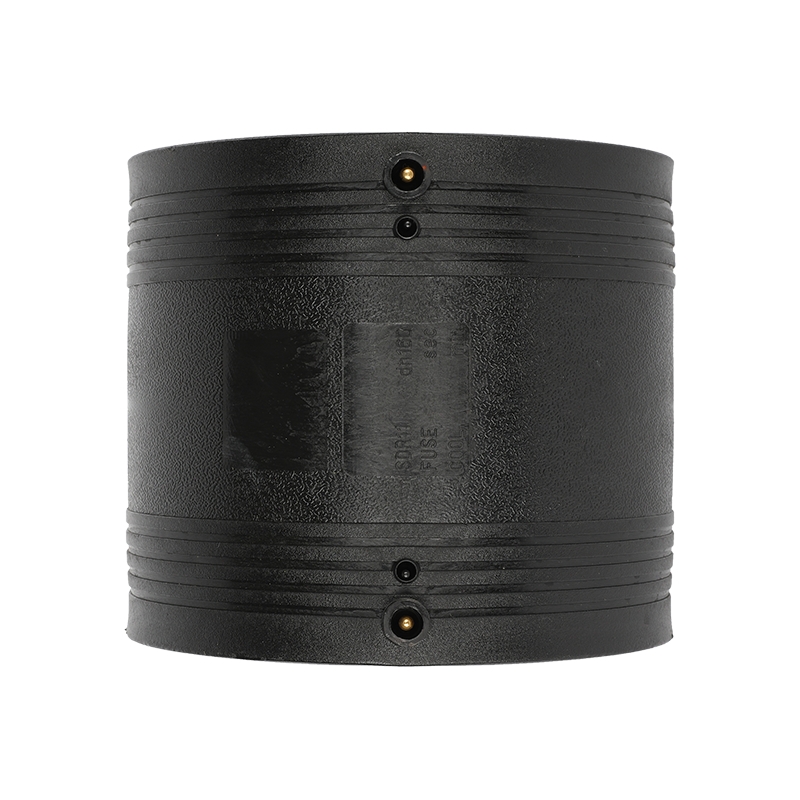
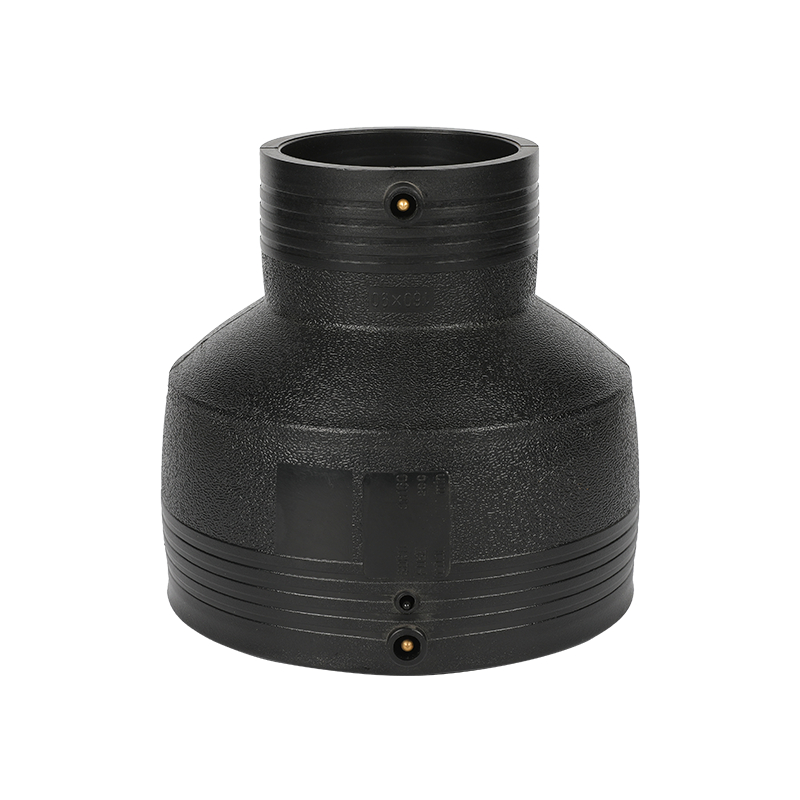
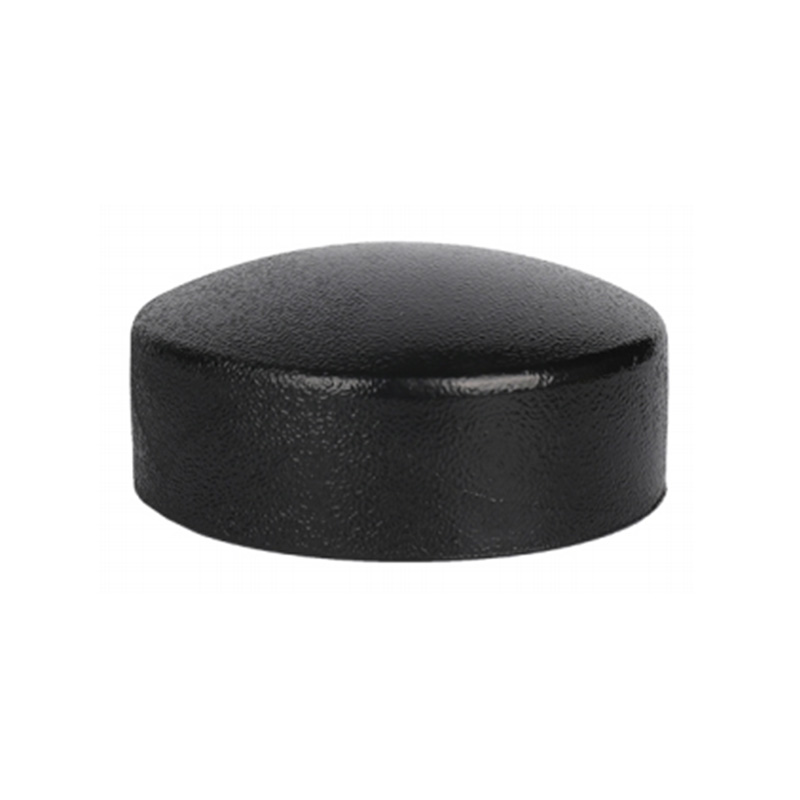
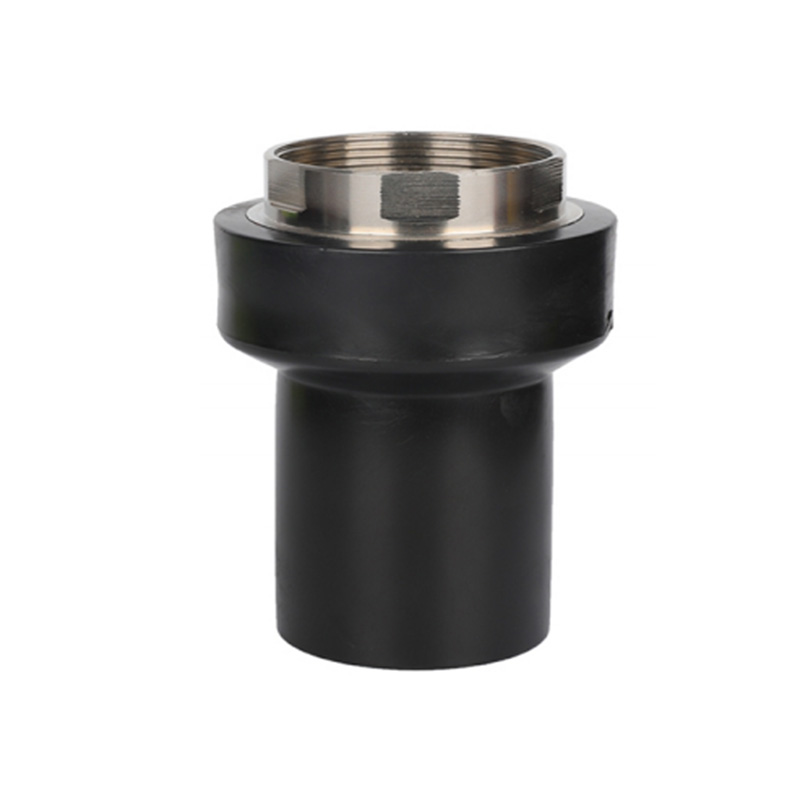
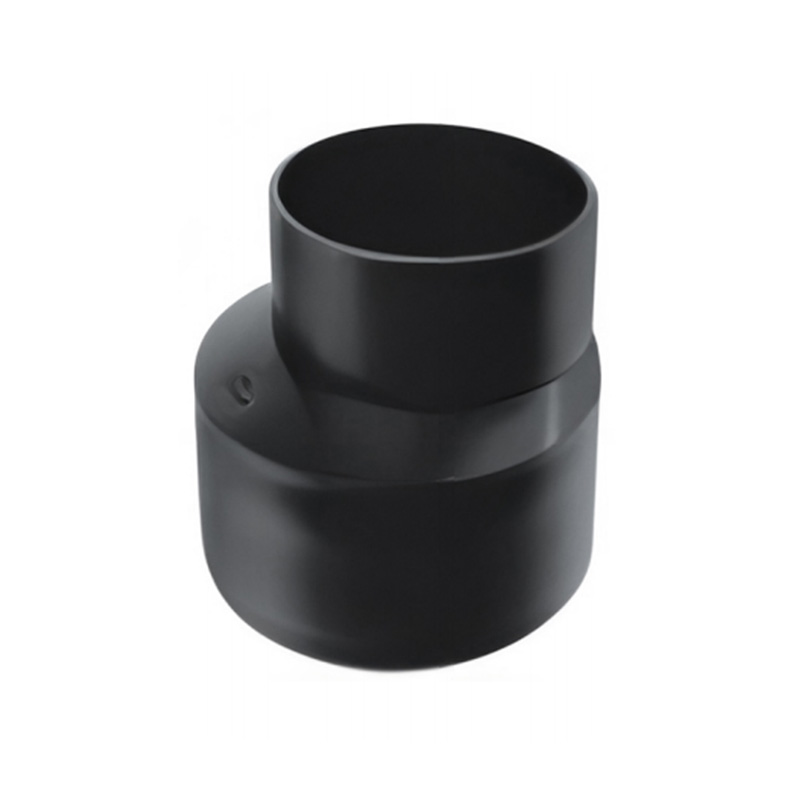
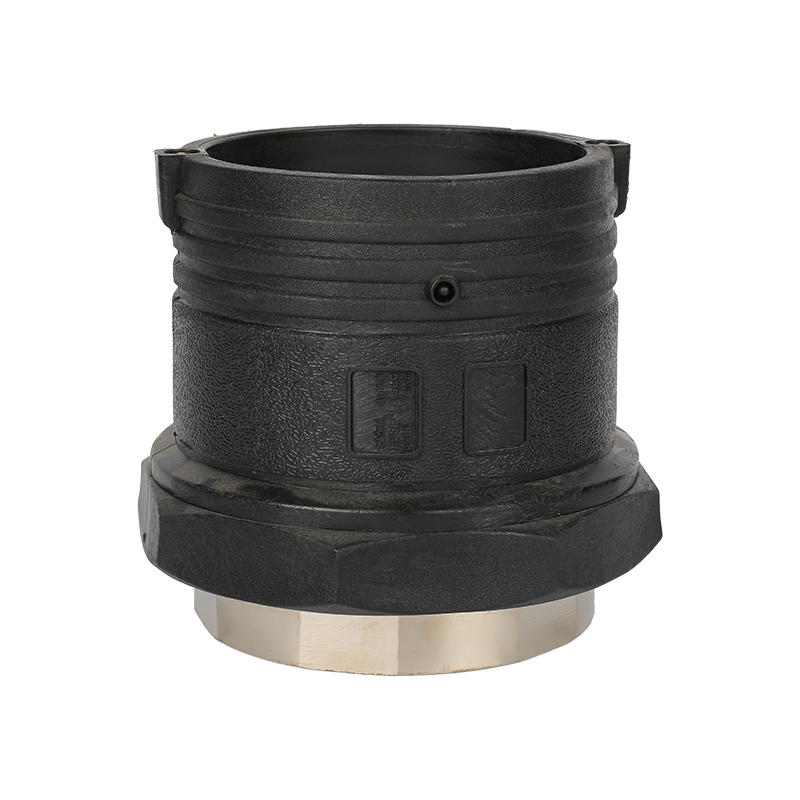
In modern industrial fluid transmission and municipal pipe network construction, HDPE butt fusion fitting technology has become the core process for building high-integrity piping systems. This process involves heating the end faces of polyethylene pipes and fittings to a molten state, followed by joining them under controlled pressure to form a homogeneous sealed structure, thereby ensuring the pressure-bearing capacity and sealing stability of the piping system during long-term operation.
Core Physical Properties of HDPE Butt Fusion Fitting
When selecting and applying HDPE butt fusion fitting, the primary consideration is the physical compatibility of the materials. High-density polyethylene (HDPE) possesses excellent chemical corrosion resistance and environmental stress cracking resistance. According to relevant industrial standards, the strength of the fused joint should meet or exceed that of the parent material itself.
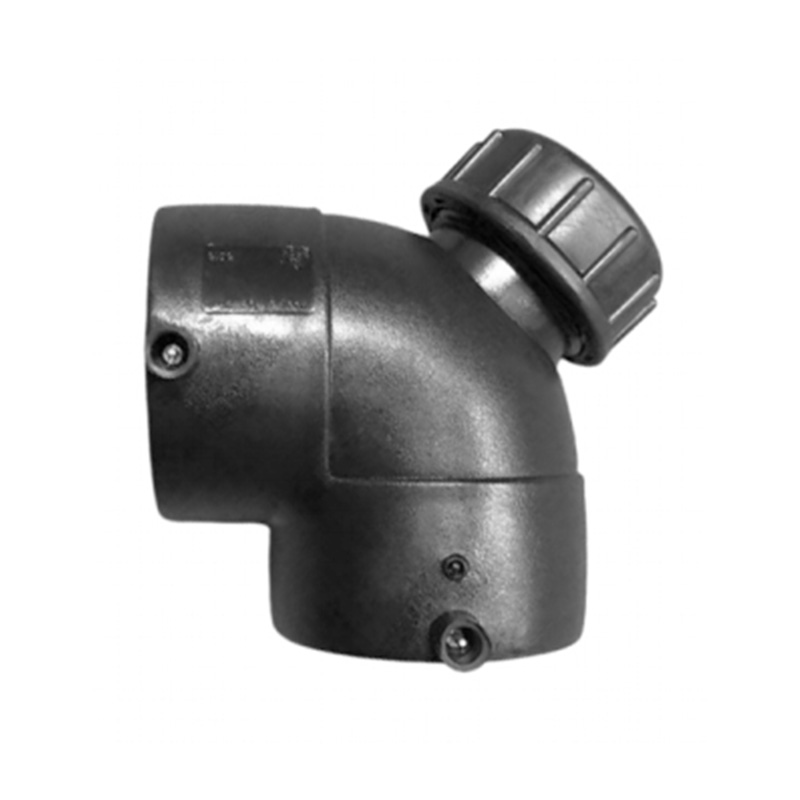
In actual pipe network layouts, butt fusion elbow and butt fusion tee are critical components for adjusting line orientation and flow distribution. These fittings must possess wall thickness ratings (SDR) and material grades (such as PE100 or PE100RC) consistent with the piping.
Application Specifications for Fittings: Butt Fusion Elbow and Butt Fusion Tee
Butt fusion elbow typically comes in 45-degree and 90-degree specifications. During fluid transmission, because the stress at pipe turns is complex, it is necessary to select injection-molded elbows to ensure uniform distribution of internal stress. During installation, the pressure curve of the butt fusion machine must be strictly followed, ensuring that the cooling time meets the wall thickness requirements to prevent joint brittleness caused by excessively rapid cooling.
Butt fusion tee is primarily used for pipe network branching and convergence. In systems involving multi-branch structures, the geometric precision of the tee directly affects the flow characteristics of the medium and local head loss. During design, it should be ensured that the reinforcing rib structure of the tee body can withstand the additional bending moments generated by the branch pipes.
Fusion HDPE Pipe Fusion Parameters
The fusion quality of fusion hdpe pipe is influenced by various process parameters. The table below lists typical reference parameters for butt fusion of HDPE pipes in a standard environment:
| Parameter Project | Technical Description |
| Heating Plate Temperature | 210°C ± 10°C |
| Bead Height | Depending on pipe wall thickness, typically between 2mm - 5mm |
| Drag Pressure | Must be superimposed on the fusion pressure to ensure friction is offset |
| Fusion Pressure | Depends on SDR rating and pipe cross-sectional area |
| Cooling Time | Depending on wall thickness, generally no less than 1 minute per millimeter of wall thickness |
Technical Operation Points and Quality Assurance
To ensure the integrity of fusion hdpe pipe system fusion, the operational process must be standardized:
End Face Milling: Use professional cutting equipment to ensure the end faces of the pipe and HDPE butt fusion fitting are perpendicular and flat. The gap between the end faces when brought together must not exceed the specified range; otherwise, internal voids will be created in the weld seam.
Alignment Calibration: Adjust the pipe clamps to ensure the Hi-Lo (mismatch) of the pipes does not exceed 10% of the wall thickness. Mismatch leads to uneven stress and significantly reduces the fatigue life of the fused joint.
Heating Equilibrium: After the heating plate is placed, pressure must be maintained until a uniform bead is produced. At this point, the heating plate should be removed rapidly, and the butt joint completed within the specified transition time to avoid fusion failure due to cooling of the heated surfaces.
Pressure Maintenance: During the cooling stage after the butt joint is completed, a constant holding pressure must be maintained until the joint temperature drops to ambient temperature. It is strictly forbidden to move the pipe or apply external force during the cooling process.
Field Testing of System Sealing Performance
After installation is complete, a pressure test should be performed on the fusion hdpe pipe system. Typically, a hydrostatic test is used, with a test pressure 1.5 times the rated working pressure of the pipe, maintained for no less than 1 hour. If there is no significant pressure drop during the observation period and no leakage at the fused joints, it indicates that the fusion quality of the butt fusion elbow, butt fusion tee, and straight pipe sections meets the required standards.
In long-distance pipeline laying, thermal expansion and contraction caused by temperature changes should be considered. Although HDPE butt fusion fitting provides excellent overall integrity, reasonable thrust blocks or compensation measures should still be set in fixed ends and turning areas to alleviate axial tensile forces at the joints and ensure the safety of the entire piping system throughout its service life.
KEEP IN TOUCH

About Us
Zhejiang Fengfeng Pipe Industry Co., Ltd. uses efficient single screw injection molding machines for high productivity and low energy use.
Products link
Contact
-

+86-19858193396
+86-13735359894 -

+86-0574-63555288
-

-

No. 21, Market Road, Diankou Town, Zhuji City, Shaoxing City, Zhejiang Province, China