


 English
 中文简体
中文简体 русский
HDPE Electrofusion Reducing Coupler Manufacturers

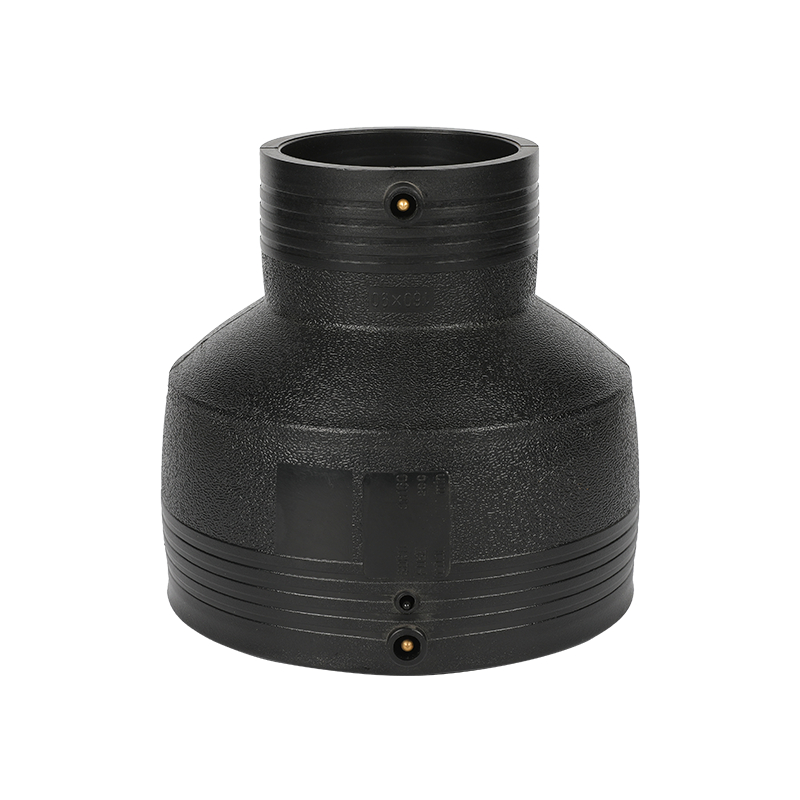
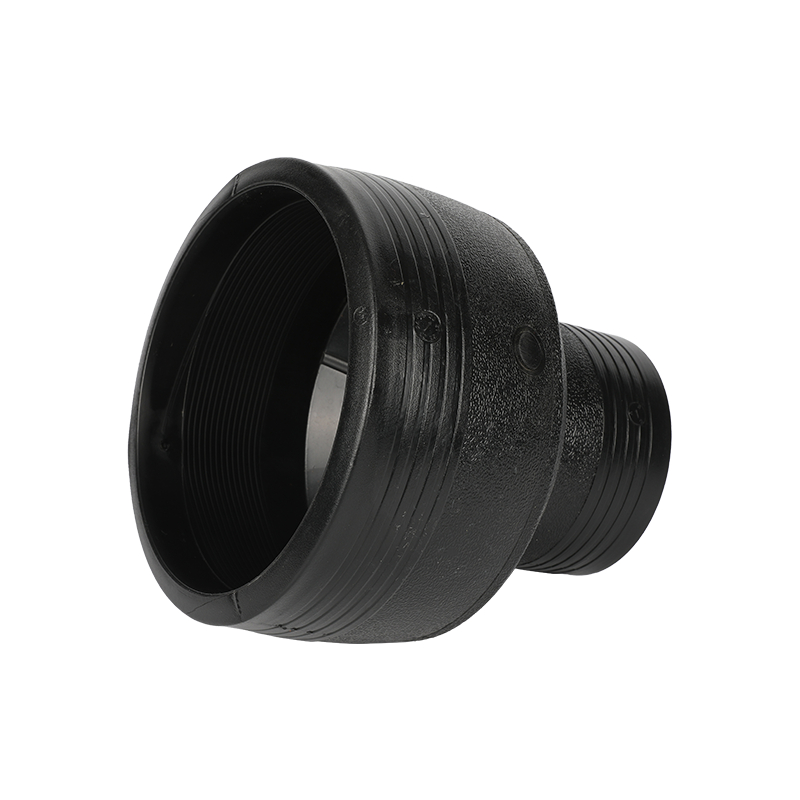
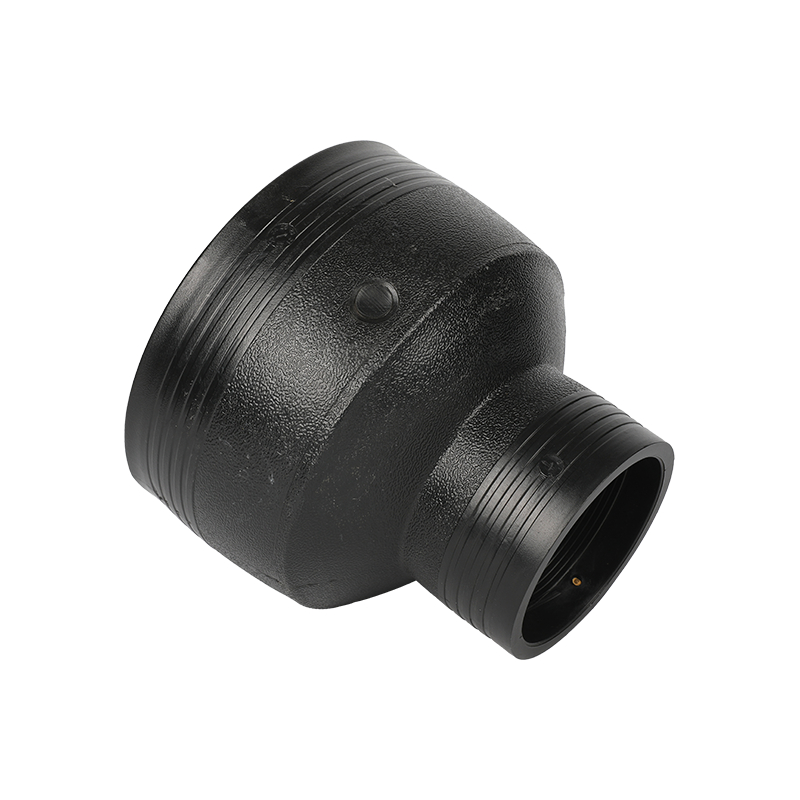
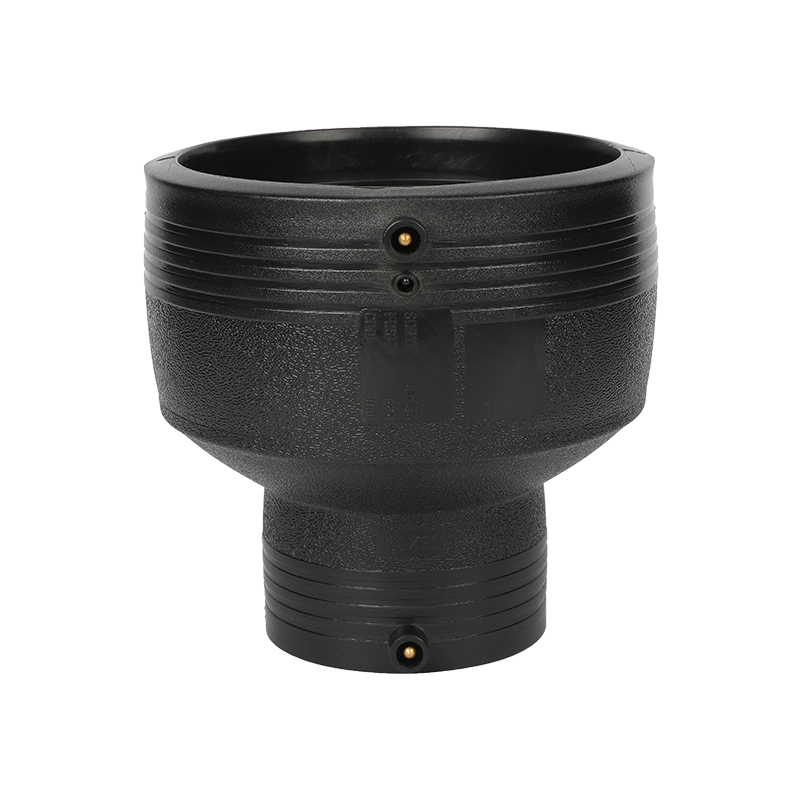
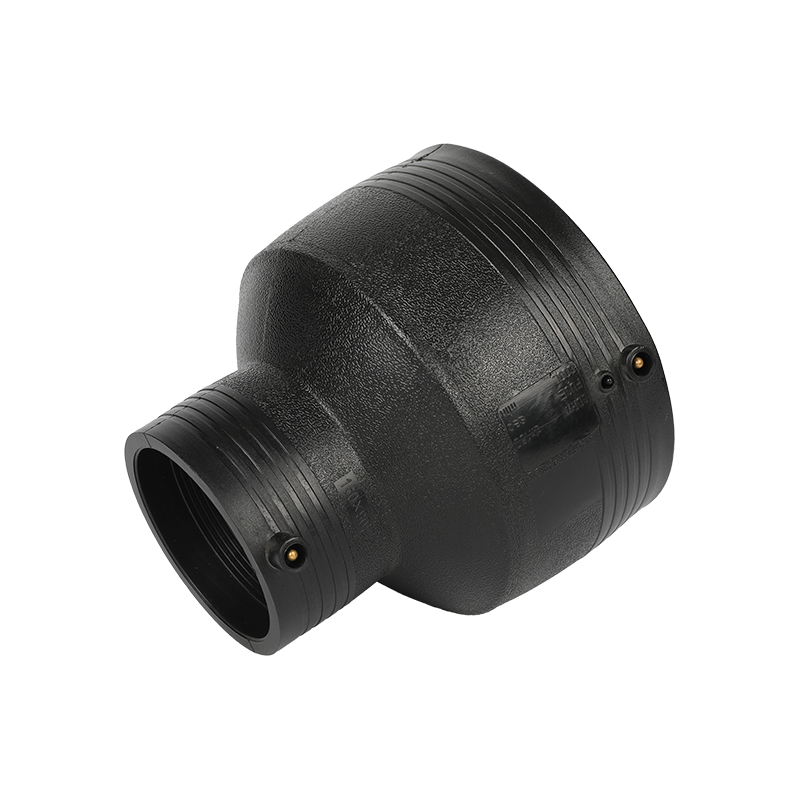
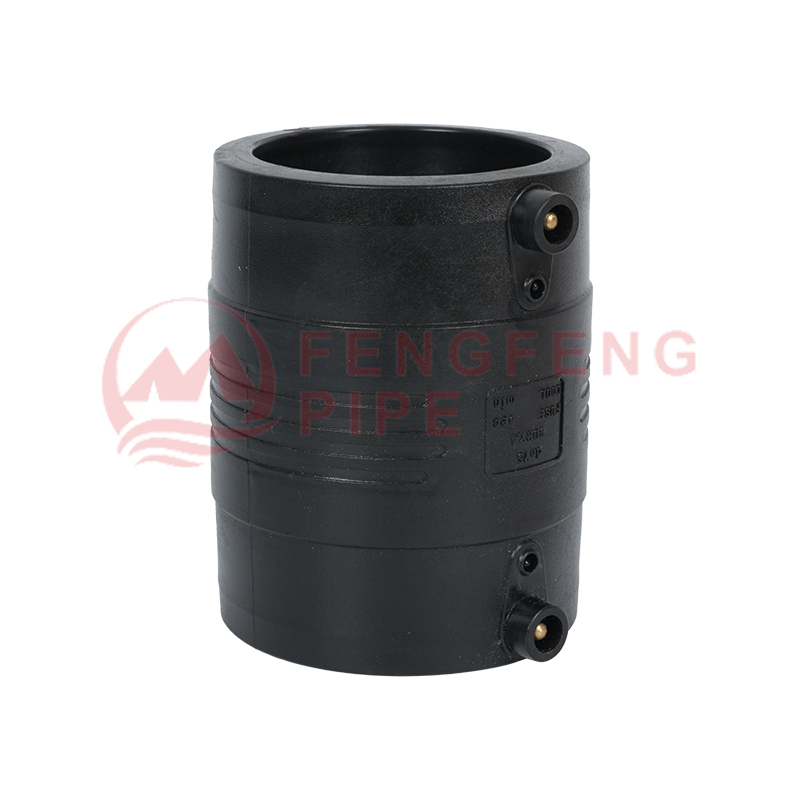
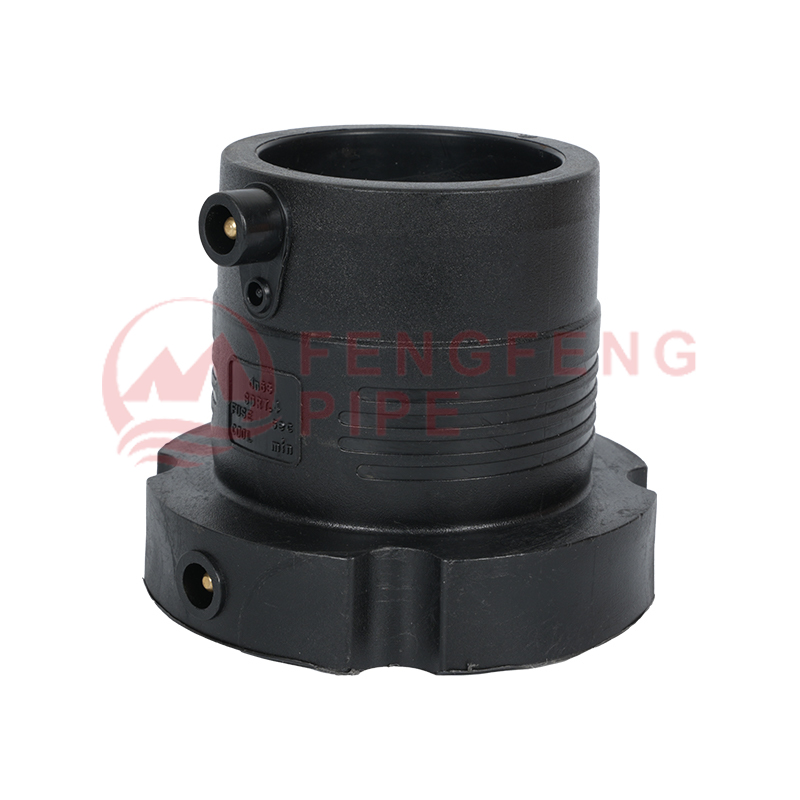
HDPE Electrofusion Reducing Coupler
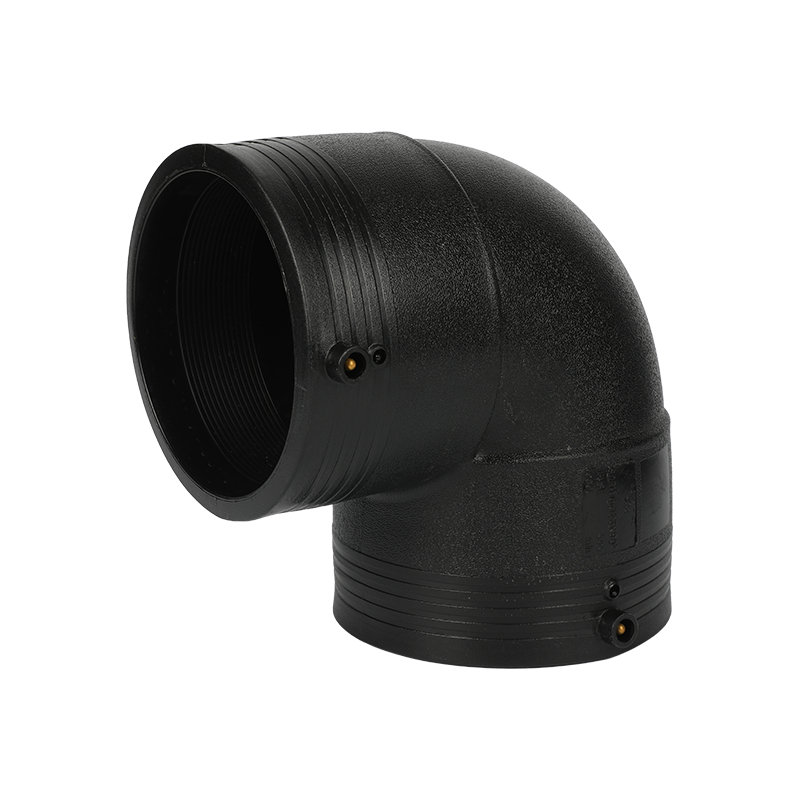
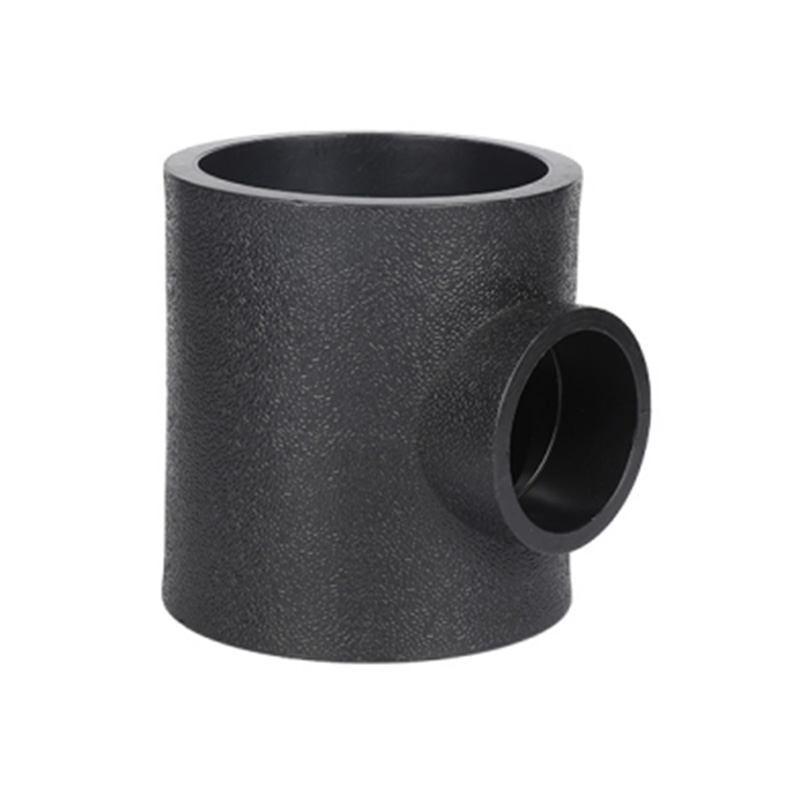
HDPE Electrofusion Reducing Coupler is a commonly used high-density polyethylene (HDPE) pipe connector that uses electrofusion technology to connect two pipes of different diameters by heating and melting the pipe ports to form a smooth, seamless seam connection.

Technical Characteristics
HDPE Electrofusion Reducing Coupler is made of high-density polyethylene material with better tensile strength and corrosion resistance. High-density polyethylene material has good chemical resistance and can withstand the erosion of various chemicals, ensuring the safe operation of the pipeline system. At the same time, its high strength characteristics can also withstand greater pressure, ensuring the stability and reliability of the pipeline.
HDPE Electrofusion Reducing Coupler uses hot-melt joining technology to fuse the pipe ports with the joints by heating and melting them. This connection method has good sealing and strength, and can effectively prevent pipe leakage and leakage. Compared with traditional glue connection methods, hot melt connections are stronger and more reliable, and can maintain stable connections in harsh working environments.
The inner wall of HDPE Electrofusion Reducing Coupler is very smooth, which reduces fluid resistance and sediment accumulation, and improves the flow and transportation efficiency of the pipeline. At the same time, the smooth inner wall can also reduce the growth of bacteria and microorganisms and keep the water clean and hygienic. This is very important for the transportation of liquids and gases and ensures the normal operation of the pipeline system.
Specifications
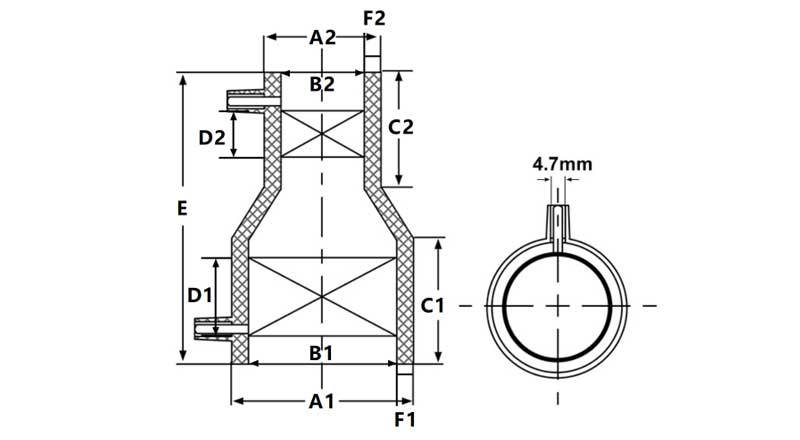
| SDR17 | |||||||||||
| SPECIFICATION | S I Z E ( m m ) | ||||||||||
| A1 | A2 | B1 | B2 | C1 | C2 | D1 | D2 | E | F1 | F2 | |
| 63x50 | 74 | 59 | 63 | 50 | 54 | 50 | 30 | 30 | 110 | 5.7 | 4.5 |
| 75x50 | 88 | 63 | 75 | 50 | 57 | 50 | 30 | 30 | 120 | 6.8 | 4.5 |
| 75x63 | 88 | 74 | 75 | 63 | 57 | 50 | 30 | 30 | 120 | 6.8 | 5.7 |
| 90x50 | 106 | 59 | 90 | 50 | 64 | 50 | 30 | 30 | 130 | 8.1 | 4.5 |
| 90x63 | 106 | 74 | 90 | 63 | 64 | 50 | 30 | 30 | 130 | 8.1 | 5.7 |
| 90x75 | 106 | 88 | 90 | 75 | 64 | 50 | 40 | 35 | 130 | 8.1 | 6.8 |
| 110x50 | 130 | 59 | 110 | 50 | 72 | 60 | 40 | 35 | 144 | 10 | 4.5 |
| 110x63 | 130 | 74 | 110 | 63 | 72 | 60 | 40 | 35 | 144 | 10 | 5.7 |
| 110x75 | 130 | 88 | 110 | 75 | 72 | 60 | 40 | 35 | 144 | 10 | 6.8 |
| 110x90 | 130 | 106 | 110 | 90 | 72 | 60 | 40 | 35 | 144 | 10 | 8.1 |
| 160x63 | 189 | 74 | 160 | 63 | 85 | 95 | 40 | 65 | 205 | 14.5 | 5.7 |
| 160x75 | 189 | 88 | 160 | 75 | 85 | 75 | 40 | 40 | 180 | 14.5 | 6.8 |
| 160x90 | 189 | 106 | 160 | 90 | 85 | 75 | 40 | 40 | 180 | 14.5 | 8.1 |
| 160x110 | 189 | 130 | 160 | 110 | 85 | 75 | 40 | 47 | 177 | 14.5 | 10 |
| 160x125 | 189 | 148 | 160 | 125 | 83 | 83 | 43 | 43 | 176 | 14.5 | 11.5 |
| 200x63 | 236 | 74 | 200 | 63 | 95 | 105 | 40 | 70 | 230 | 18.1 | 5.7 |
| 200x75 | 236 | 89 | 200 | 75 | 95 | 95 | 40 | 75 | 220 | 18.18 | 6.81 |
| 200x90 | 236 | 106 | 200 | 90 | 95 | 95 | 50 | 40 | 220 | 18.18 | 8.18 |
| 200x110 | 236 | 130 | 200 | 110 | 95 | 85 | 50 | 40 | 195 | 18.18 | 10 |
| 200x125 | 236 | 148 | 200 | 125 | 95 | 81 | 46 | 40 | 206 | 18.18 | 11.5 |
| 200x160 | 236 | 189 | 200 | 160 | 95 | 85 | 50 | 40 | 195 | 18.18 | 14.54 |
| 250x110 | 296 | 130 | 250 | 110 | 107 | 85 | 57 | 50 | 232 | 23 | 10 |
| 250x160 | 296 | 189 | 250 | 160 | 107 | 85 | 57 | 50 | 232 | 23 | 14.54 |
| 250x200 | 296 | 236 | 250 | 200 | 107 | 85 | 57 | 50 | 232 | 23 | 23.6 |
About Us
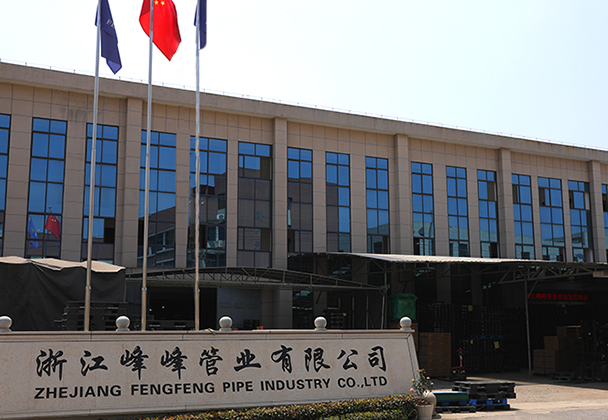
Zhejiang Fengfeng Pipe Industry Co., Ltd.
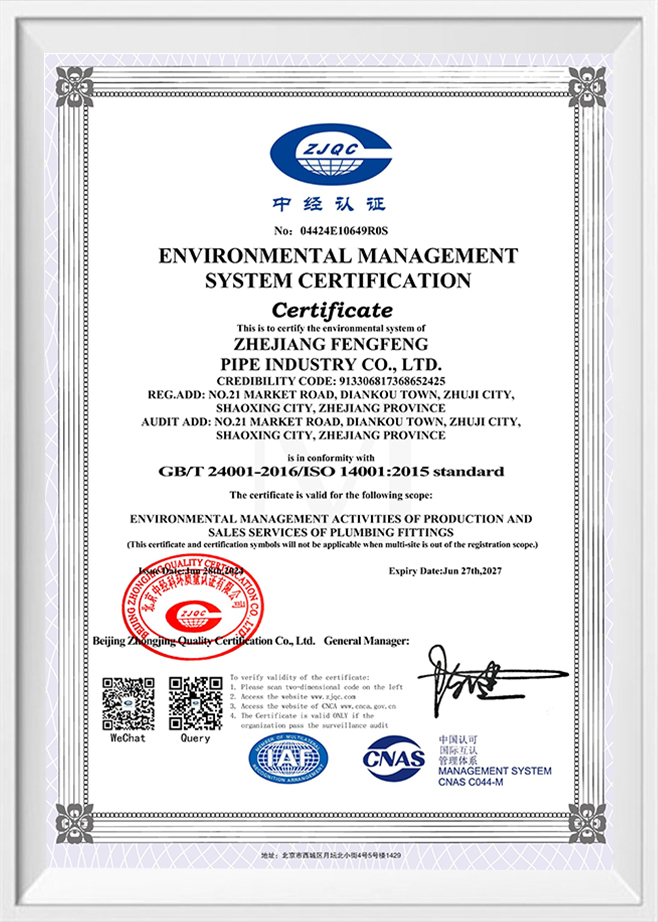
Zhejiang Fengfeng Pipe Industry Co., Ltd. is Wholesale HDPE Electrofusion Reducer Manufacturers and OEM HDPE Electrofusion Reducing Coupler Suppliers, which is an industrial company integrating design, manufacturing, marketing, and service. The company was established in 2002 and is located in Diankou, Zhuji Industrial Zone, the beautiful hometown of Xishi. It is within the coverage of the Yangtze River Delta Economic Belt. The transportation of the company is convenient, allowing direct access to Shanghai Port and Ningbo Port via the Zhejiang-Jiangxi Railway and the Hang-Jin-Qu Expressway. It is only a half-hour drive from Xiaoshan International Airport. Since the establishment of the factory, we have taken "integrity management, mutual benefit, and win-win" as our business purpose. The production of pipes and pipe fittings adopts a variety of advanced and high-tech production equipment imported from abroad. All products are produced in accordance with the international quality management system ISO9001:2000 standard and the international environmental management system ISO14001 standard. Product quality is underwritten by PICC. Our pipes and fittings have a lifespan of over 50 years. The main brand products are PP-R pipes and pipe fittings, PP-R glass fiber pipes, PP-R aluminum-plastic pipes, PE-RT floor heating pipes, PE electric melting pipe fittings (50-1200mm), aluminum-plastic pipes, brass pipe fittings, plumbing hoses, and more. The company has a group of high-quality professionals and marketing service personnel and has developed a nationwide sales network. Additionally, products are also exported to Europe, the United States, Southeast Asia, and the Middle East. Let us be honest and create the future together.
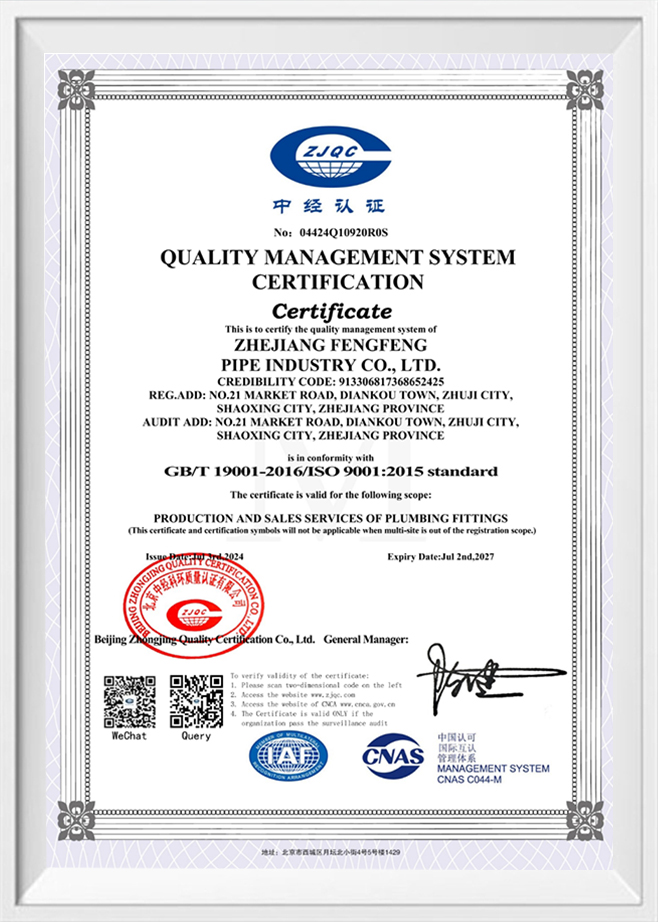
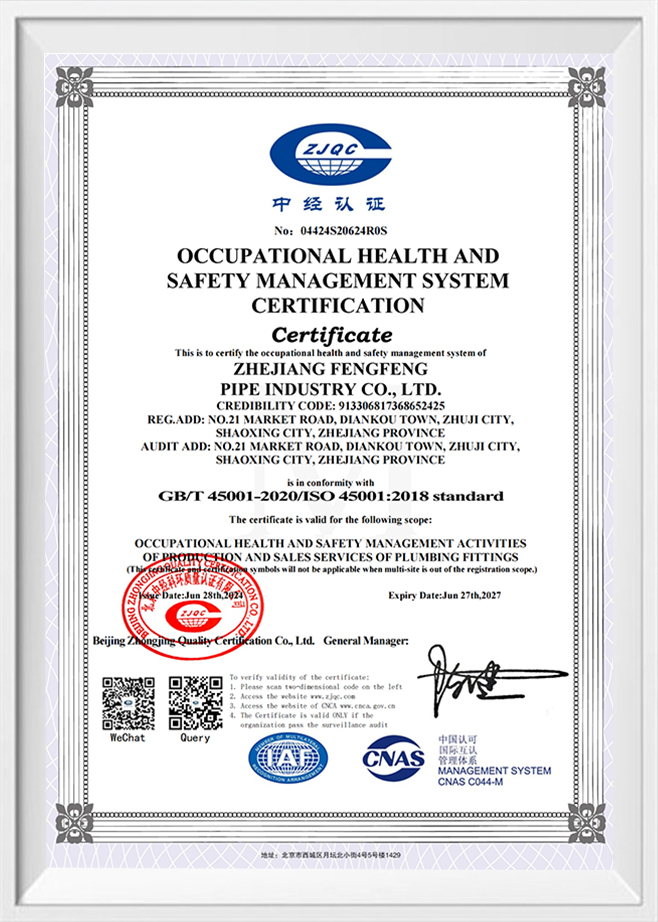
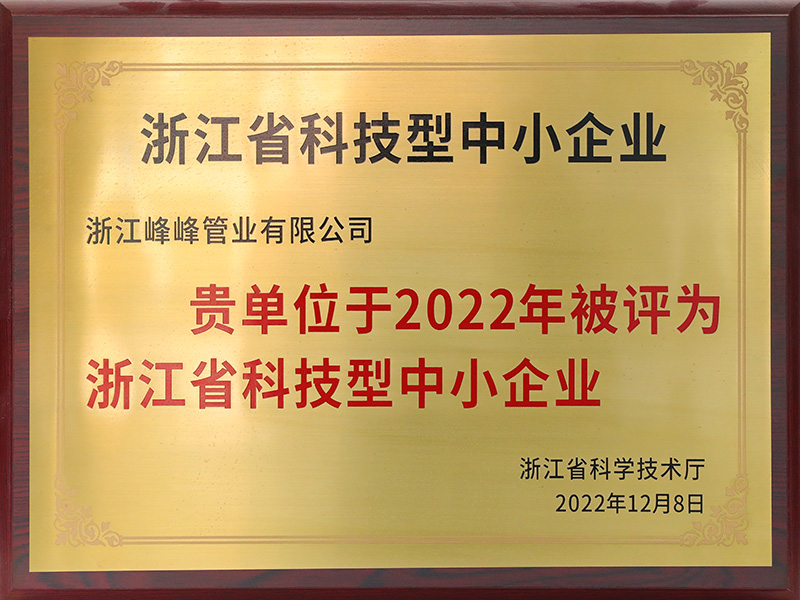
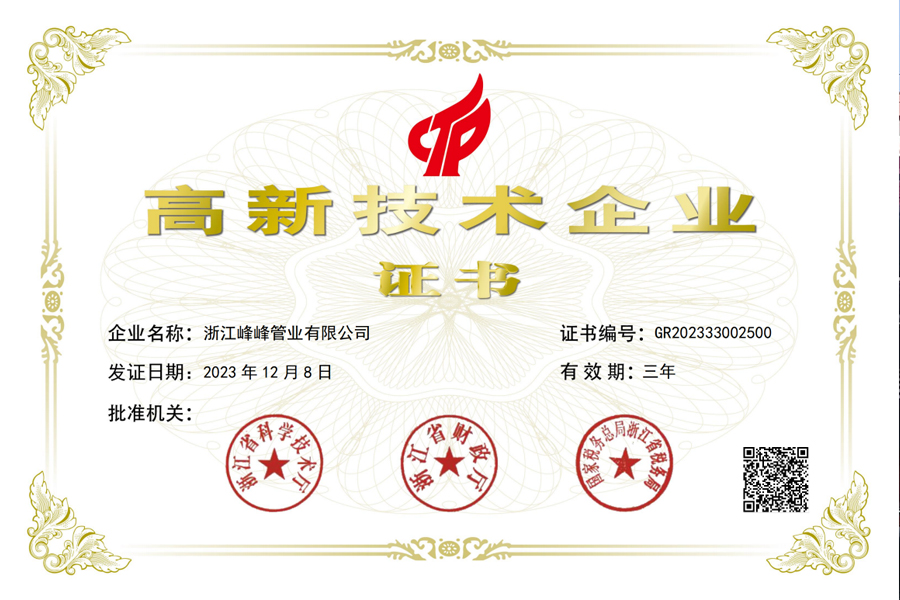
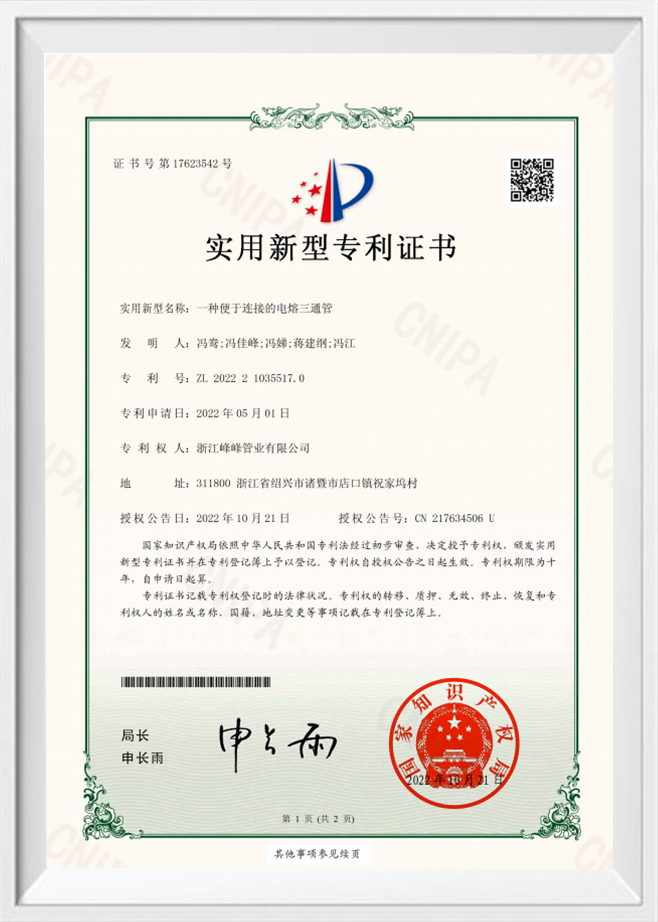
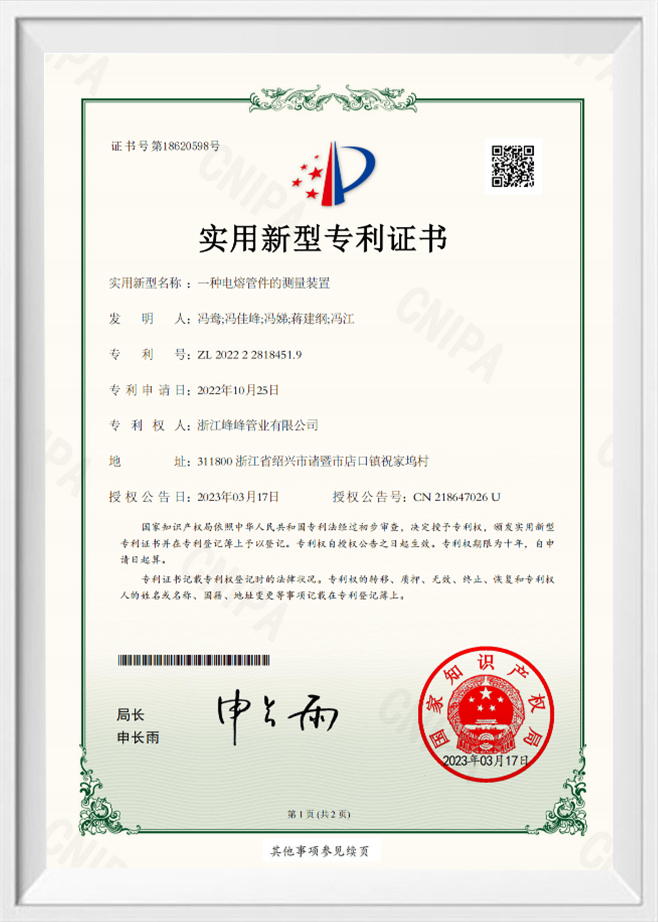
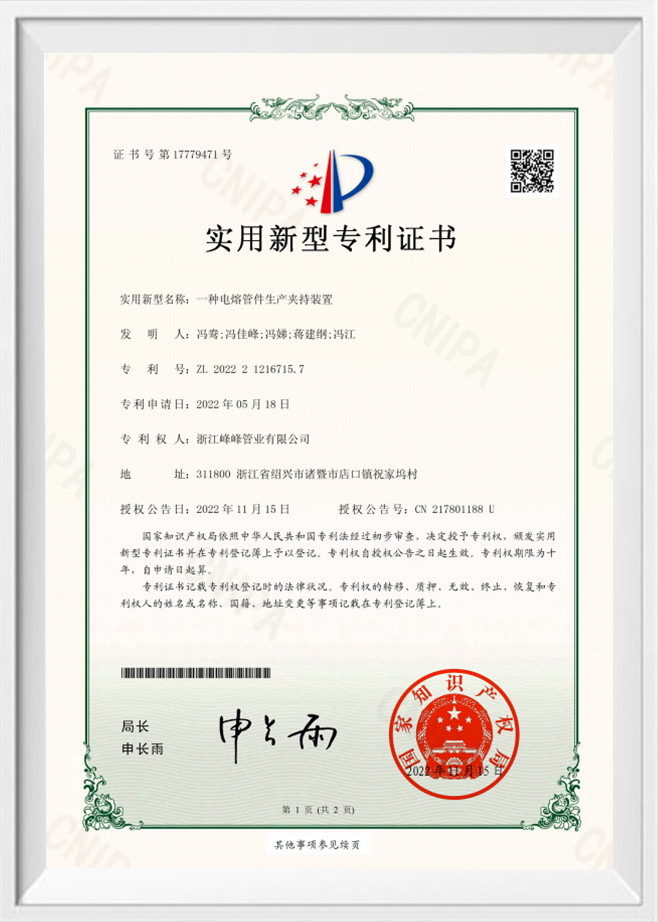
Certificate Of Honor
News
-
The direct answer: HDPE is stronger in impact, fatigue, and joint integrity; PVC is stronger in stiffness If “stronger” means resistance to cracking, ground movement, water hammer, and repeated surge...
READ MORE -
A procurement manager at a municipal water project stares at the delivery schedule: the mainline pipe has arrived as HDPE PE100, but the approved fittings list on the table reads PVC-U socket fitting...
READ MORE -
Short answer: HDPE pipe fittings are divided by connection method and by function. The connection method includes butt fusion, electrofusion, socket fusion, threaded, compression and flanged types. T...
READ MORE
KEEP IN TOUCH

About Us
Zhejiang Fengfeng Pipe Industry Co., Ltd. uses efficient single screw injection molding machines for high productivity and low energy use.
Products link
Contact
-

+86-19858193396
+86-13735359894 -

+86-0574-63555288
-

-

No. 21, Market Road, Diankou Town, Zhuji City, Shaoxing City, Zhejiang Province, China