


 English
 中文简体
中文简体 русский
Industry news
 Home / News / Industry news / Why is HDPE Pipe Jointing Critical for High-Pressure Industrial Pipelines
 Why is HDPE Pipe Jointing Critical for High-Pressure Industrial Pipelines
 2026.05.18
 Industry news
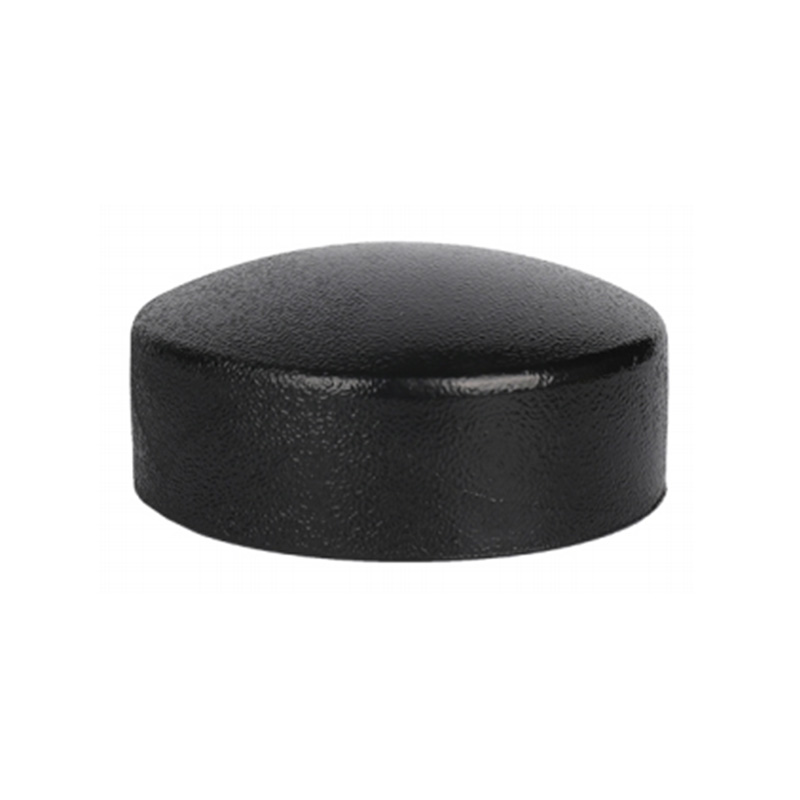
In modern municipal water supply, gas distribution, industrial sewage, and agricultural irrigation piping networks, the reliability of pipeline connections directly determines the operational safety and service life of the entire system. HDPE Fittings, with their outstanding corrosion resistance, high toughness, and a service life spanning several decades, have become the premier choice for various complex pipeline engineering projects. In practical engineering, when facing different pressure ratings, diverse construction environments, and the need to connect dissimilar piping materials, selecting the correct hdpe pipe fittings and employing the proper jointing methodology is the absolute key to eliminating network leakage and optimizing fluid conveyance efficiency.
Key Technical Characteristics and Parameter Comparison of Pipe Connections
In field pipeline construction, depending on the pipe diameter, operating pressure, and installation environment, several main types of components are utilized. The table below outlines the core connection technologies and their critical physical performance indicators:
| Performance Indicators | hdpe compression fittings (Mechanical) | electrofusion hdpe (Electro-thermal) | Butt Fusion Fittings (Thermal) |
| Pipe Diameter Range | DN20 - DN110 | DN20 - DN630 and above | DN63 - DN1600 and above |
| Working Pressure Rating | Typically up to PN16 (dependent on material) | Up to PN16 / PN25 (SDR11) | Up to PN16 / PN25 (SDR11) |
| Installation Tools Required | Specialized wrenches, manual installation | Automatic electrofusion welder, barcode scanner | Hydraulic butt fusion welding machine |
| Joint Tensile Strength | Dependent on clinching ring, good pull-out resistance | Molecular chain fusion, joint strength higher than pipe body | Molecular chain fusion, joint strength identical to pipe body |
| Environmental Requirements | No specific restrictions, works in wet or tight spaces | Requires strict moisture and dust prevention | Requires level ground, highly sensitive to wind and rain |
| Dismantling Capability | Yes (Reusable and replaceable) | No (Permanent non-detachable connection) | No (Permanent non-detachable connection) |
Rapid Installation and Emergency Repair Solution: hdpe compression fittings
For small to medium pipe diameters (generally under DN110) in water distribution systems or agricultural irrigation networks, hdpe compression fittings provide exceptional installation convenience. These components eliminate the need for an external heat source or specialized welding power supplies. They rely primarily on an internal rubber O-ring to achieve a reliable fluid seal, while a high-strength split ring grips the outer wall of the pipe to prevent pull-out under fluid pressure.
When dealing with emergency repairs, temporary pipeline layouts, or narrow trenches where large welding equipment cannot fit, the advantages of these hdpe pipe fittings become incredibly distinct. The stability of the mechanical structure ensures zero leakage even during system pressure fluctuations. It is critical during installation that the pipe end is deburred and beveled to prevent scratching or damaging the internal rubber seal during insertion.
Core Selection for High-Security Pipelines: electrofusion hdpe
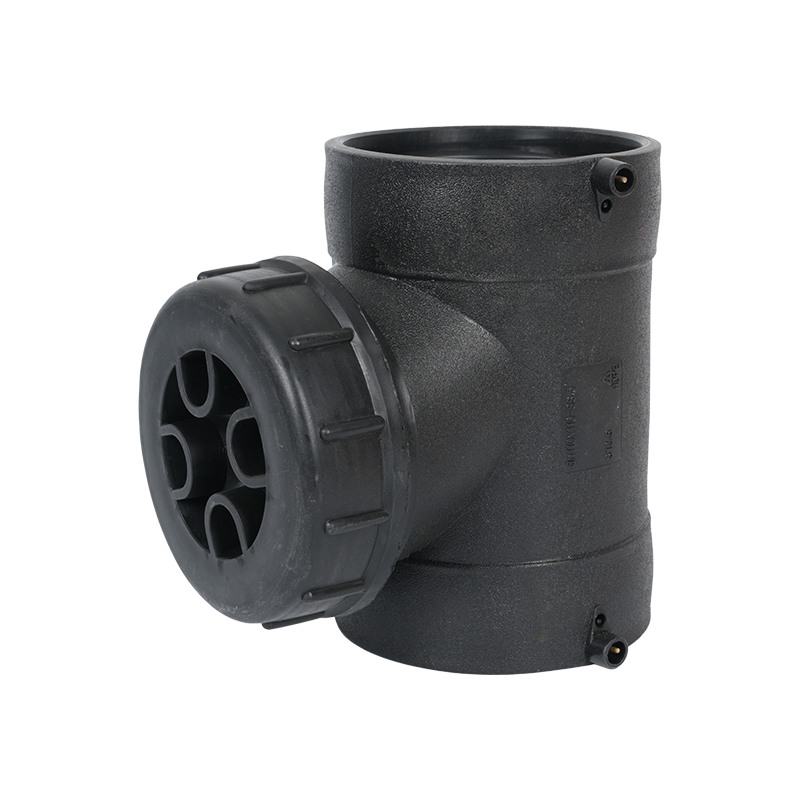
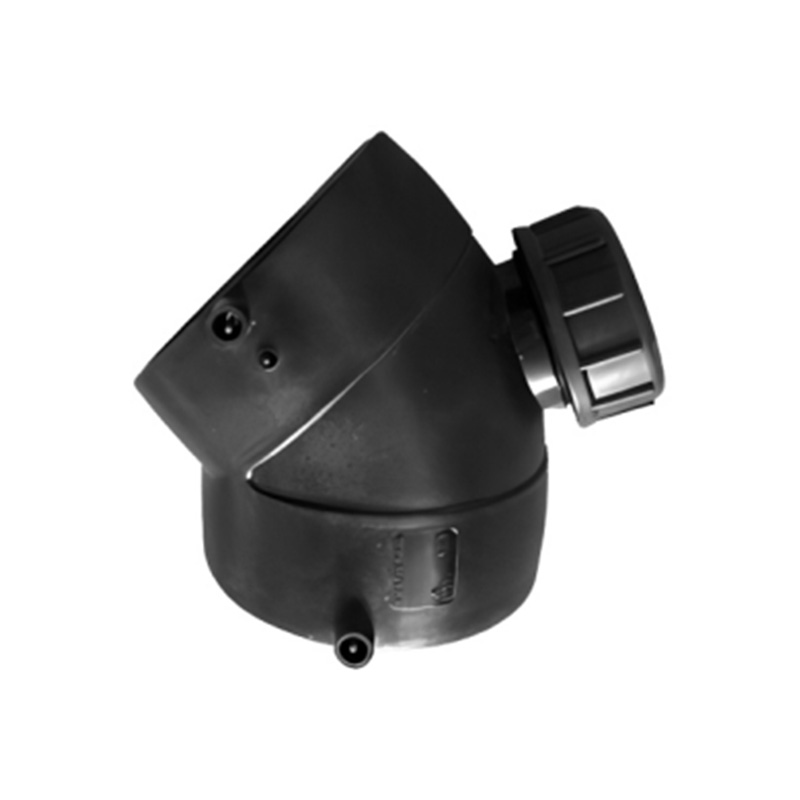
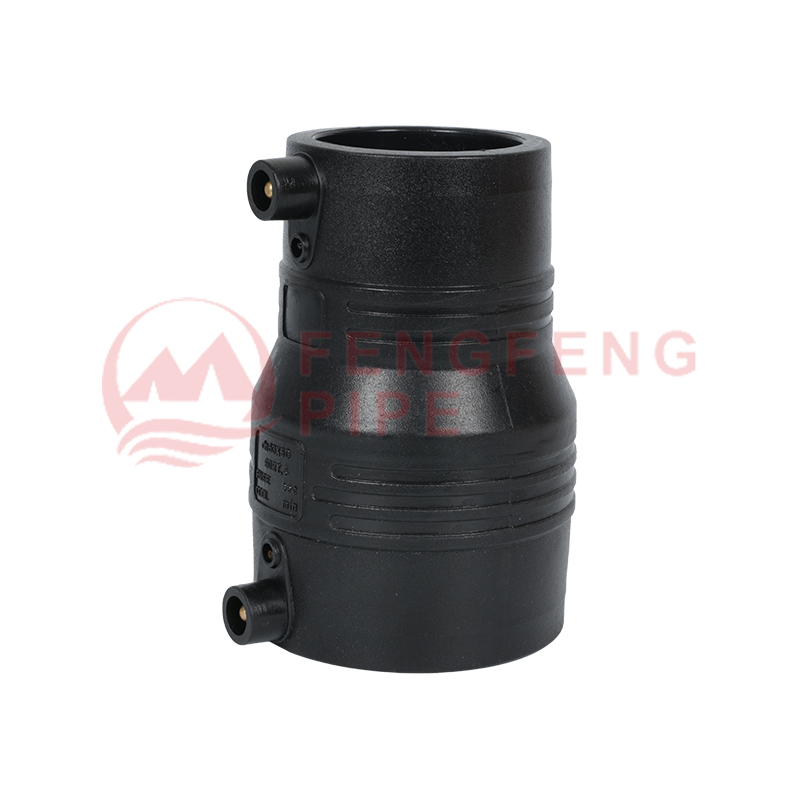
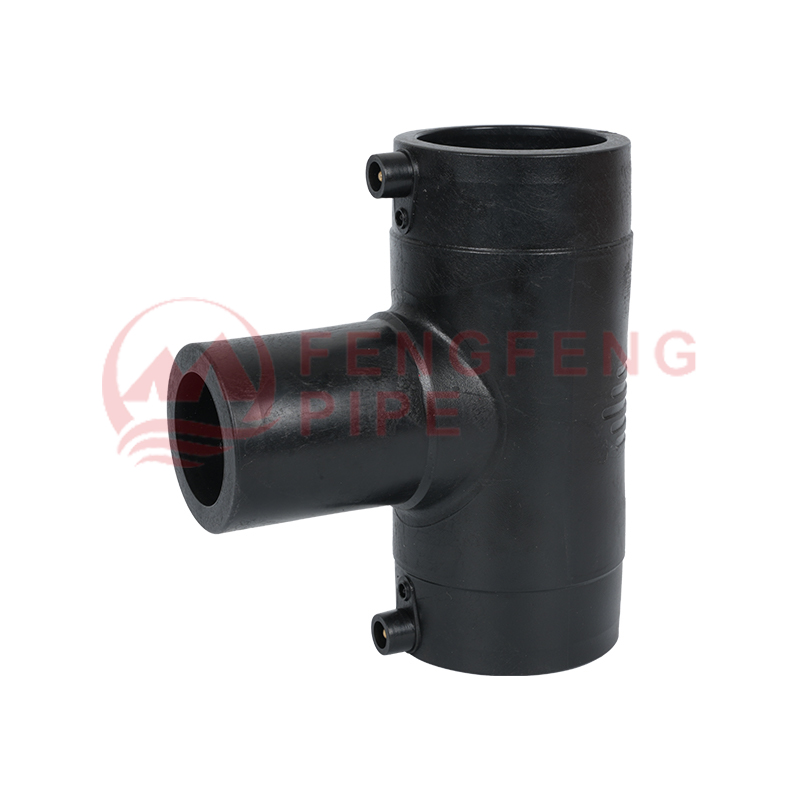
In gas distribution, high-pressure water mains, and toxic industrial chemical transport where safety requirements are paramount, electrofusion hdpe technology is irreplaceable. The interior wall of an electrofusion component is pre-embedded with precise electrical heating coils. During field assembly, the technician connects the welding cables to an automatic electrofusion machine, which scans the barcode on the component to control the precise energy output and heating cycle.
The heat generated by the internal wires melts the inner surface of the component and the outer surface of the hdpe pipe fittings simultaneously. Under the expansion pressure restricted by the clamping tools, the polyethylene molecular chains intertwine and fuse together. Upon cooling, they form a unified, homogenous joint. The electrofusion hdpe process minimizes human error because the cycle is fully monitored by the machine, and it excels in deep trenches or overhead pipe racks where bulky butt-welding equipment is impractical, ensuring excellent pressure resistance and long-term creep resistance.
Cross-Material Transition Engineering: hdpe transition fittings
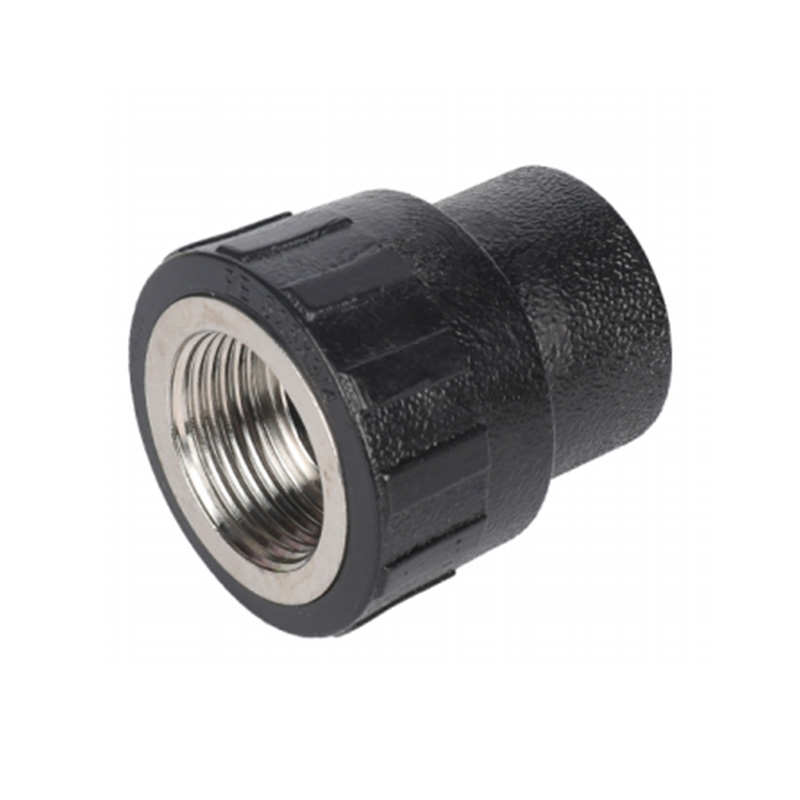
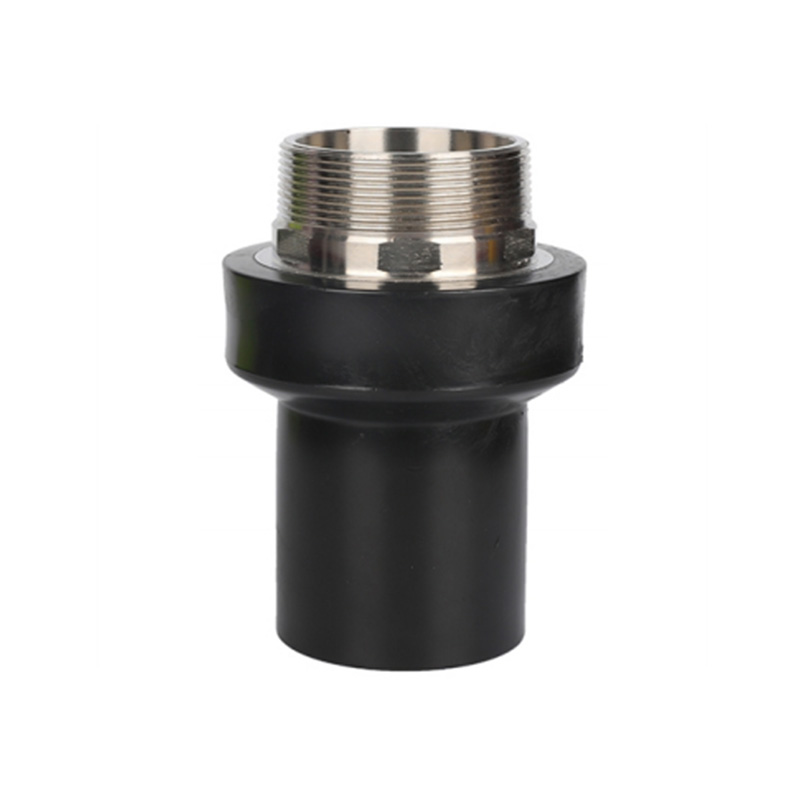
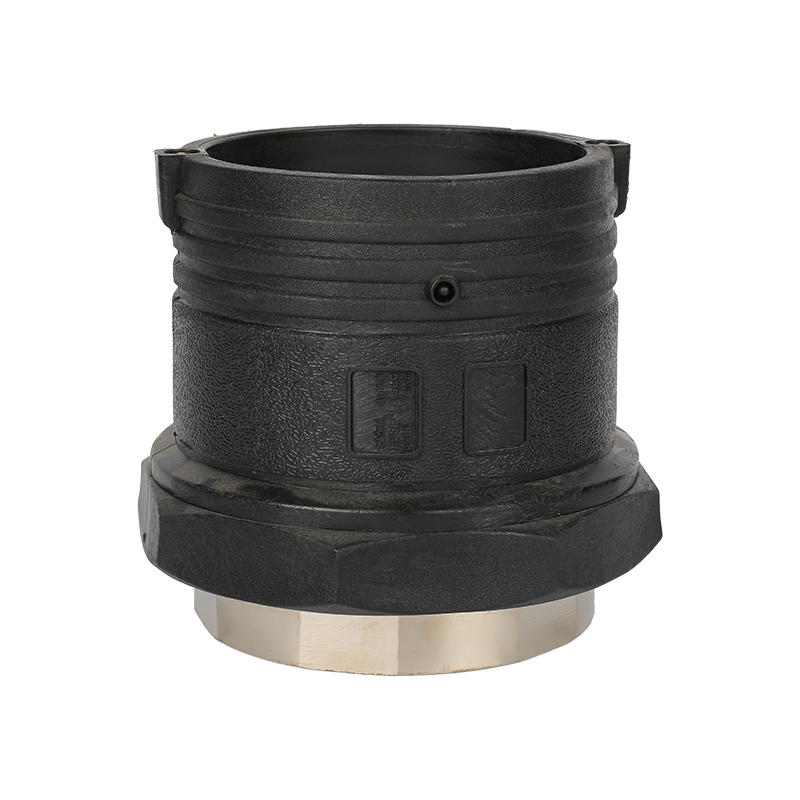
In modern piping upgrades or heterogeneous network retrofits, connecting high-density polyethylene pipes to traditional metal valves, cast iron pipes, steel lines, or pumps is an inevitable requirement. In such scenarios, hdpe transition fittings must be utilized to solve the physical connection challenges between two completely different material types.
These hdpe transition fittings feature a polyethylene end on one side, which can be seamlessly fused to the existing HDPE pipeline via thermal or electrofusion methods. The opposing side consists of a precisely machined metal thread, flange adapter, or spigot structure designed to interlock tightly with the metal components. Because metals and polyethylene have drastically different thermal expansion coefficients, premium transition components incorporate heavy-duty mechanical locking mechanisms to ensure the metal-to-plastic interface remains drop-tight under severe temperature cycles and system vibrations, securing the long-term operational integrity of the network.
Selection Criteria Under Full Service Life Conditions
To guarantee a piping network achieves a continuous service life exceeding fifty years, precise technical specification is the essential first step. Engineers must verify the following core parameters when finalizing technical procurement plans for HDPE Fittings:
SDR (Standard Dimension Ratio) Compatibility: The SDR rating (such as SDR11 or SDR17) of the component must align correctly with the pipe. A lower SDR value indicates a thicker wall capable of handling higher pressures. When utilizing butt fusion, mismatched SDR values create joint misalignment, in which case electrofusion hdpe or mechanical wall-thickness transition machining should be prioritized.
Raw Material Designation: High-performance hdpe pipe fittings must be manufactured from virgin PE100 or PE100-RC resin. PE100-RC materials possess superior Slow Crack Growth (SCG) resistance, which effectively protects the joint from localized stress concentration caused by stones or sharp debris in backfill soils.
Melt Flow Rate (MFR) Compatibility: The components and pipes intended for thermal or electro-thermal jointing must have compatible melt flow rates (tested under 5kg at 190 degrees Celsius), typically within the range of 0.2 to 1.4 grams per 10 minutes, to ensure total molecular integration during the molten state.
KEEP IN TOUCH

About Us
Zhejiang Fengfeng Pipe Industry Co., Ltd. uses efficient single screw injection molding machines for high productivity and low energy use.
Products link
Contact
-

+86-19858193396
+86-13735359894 -

+86-0574-63555288
-

-

No. 21, Market Road, Diankou Town, Zhuji City, Shaoxing City, Zhejiang Province, China