


 English
 中文简体
中文简体 русский
Industry news
 Home / News / Industry news / What Are the Key Differences and Applications of HDPE Fittings for Industrial Piping Systems
 What Are the Key Differences and Applications of HDPE Fittings for Industrial Piping Systems
 2026.06.22
 Industry news
In modern fluid conveyance systems, the reliability of the piping infrastructure directly determines the lifespan and operational efficiency of the network. As the foundation for high-performance fluid transport, HDPE pipe fittings and their associated components are the preferred choice for engineering projects due to their excellent chemical stability, corrosion resistance, and high toughness. This analysis examines the technical aspects of these components and their roles in complex piping networks.
Technical Characteristics and Classification of HDPE Fittings
HDPE fittings are manufactured from high-density polyethylene resin through precision injection molding. Their core physical property lies in their outstanding impact strength and flexibility, maintaining structural integrity even in low-temperature environments. According to specific flow requirements, the common components include:
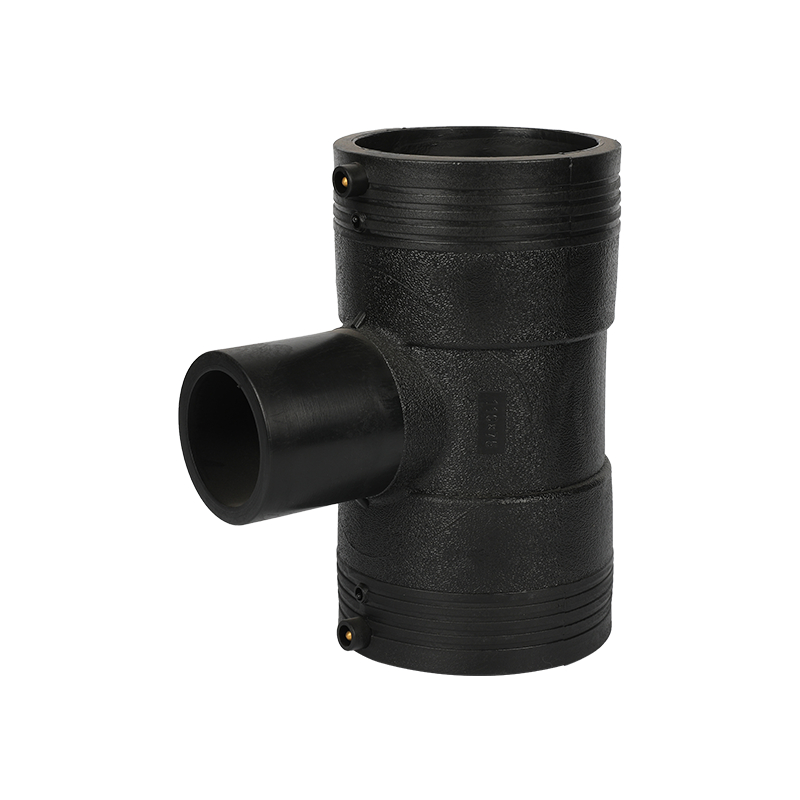
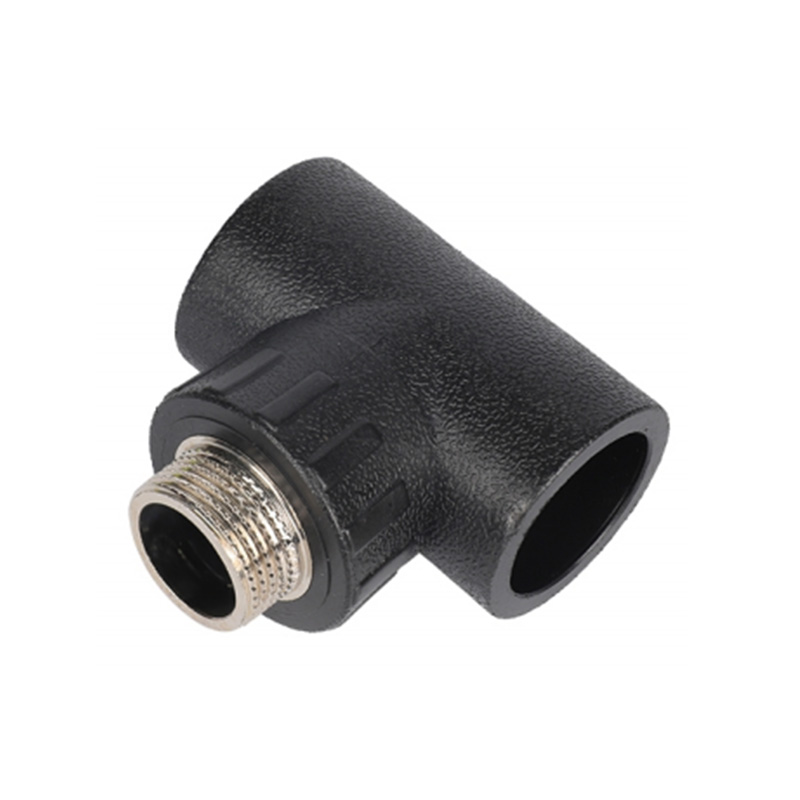
- HDPE tee fittings: Utilized for branch connections in main pipelines, optimizing flow distribution and ensuring balanced pressure across branch lines.
- HDPE water pipe fittings: Specially designed for pressure water supply systems, featuring extremely smooth interior walls that effectively reduce flow resistance and resist microbial growth and chemical erosion.
- HDPE valves and fittings: Serve as the flow control units within the system, enabling precise regulation and isolation of the network to ensure ease of maintenance.
Connection Technologies: From Fusion to Mechanical
To ensure system sealing performance, selecting the appropriate connection method is critical. Different HDPE fusion fittings have distinct applications:
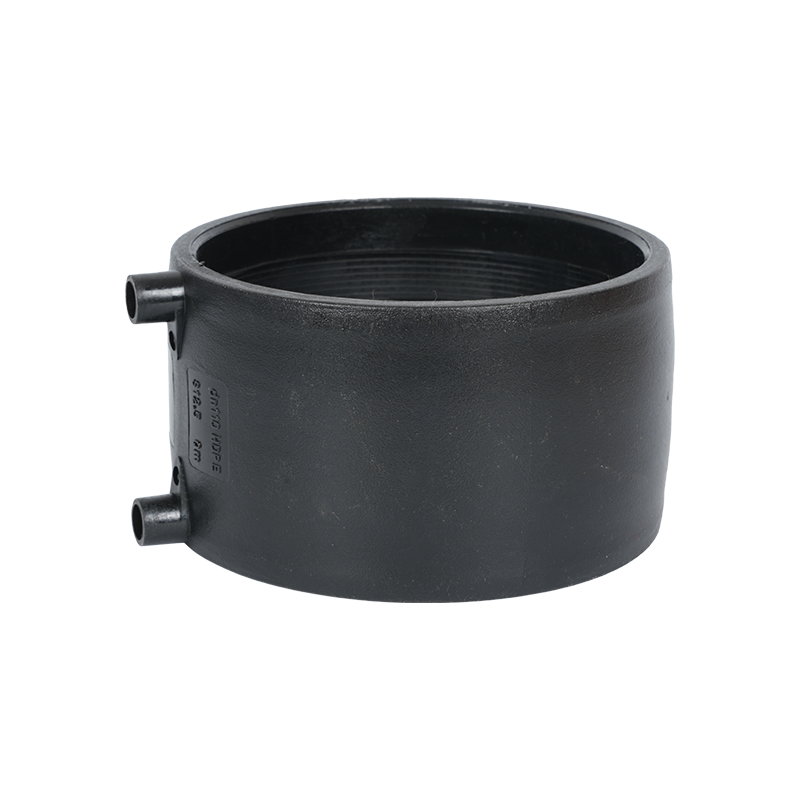
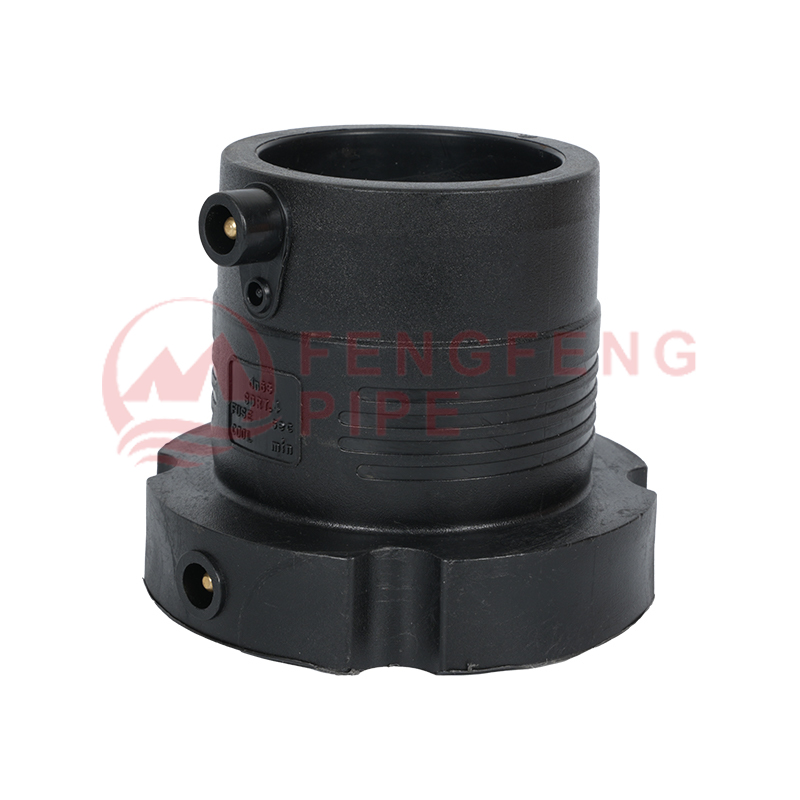
- HDPE electrofusion fittings: These utilize integrated resistance wires to melt the material, creating a molecular bond. This technology is particularly suitable for underground network repairs or operations in confined spaces, minimizing human error.
- HDPE socket fusion fittings: Commonly used for socket welding of small to medium-diameter pipelines, where the joint strength can reach or even exceed the strength of the pipe material itself.
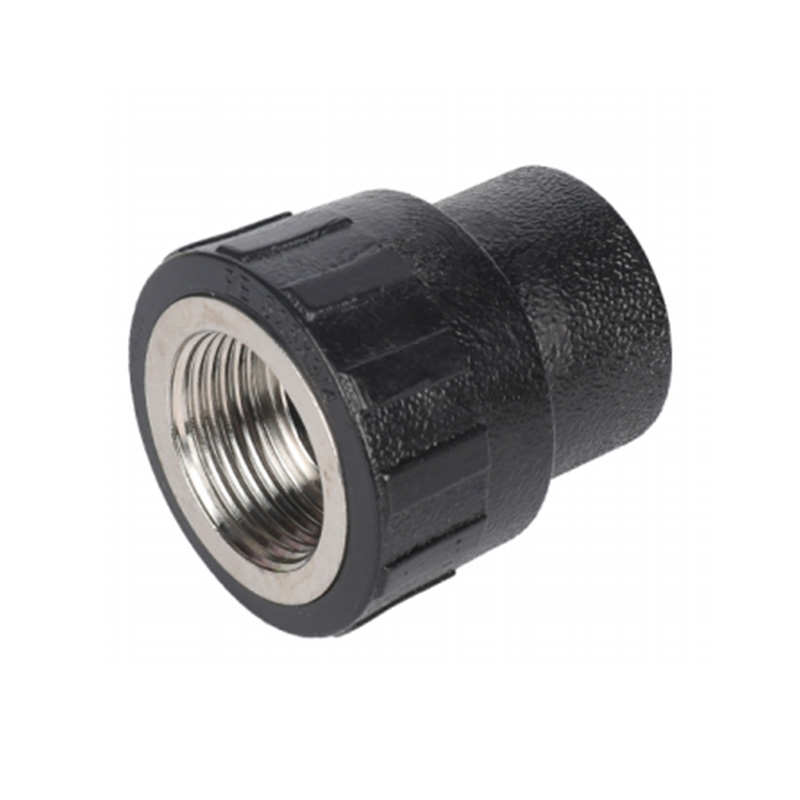
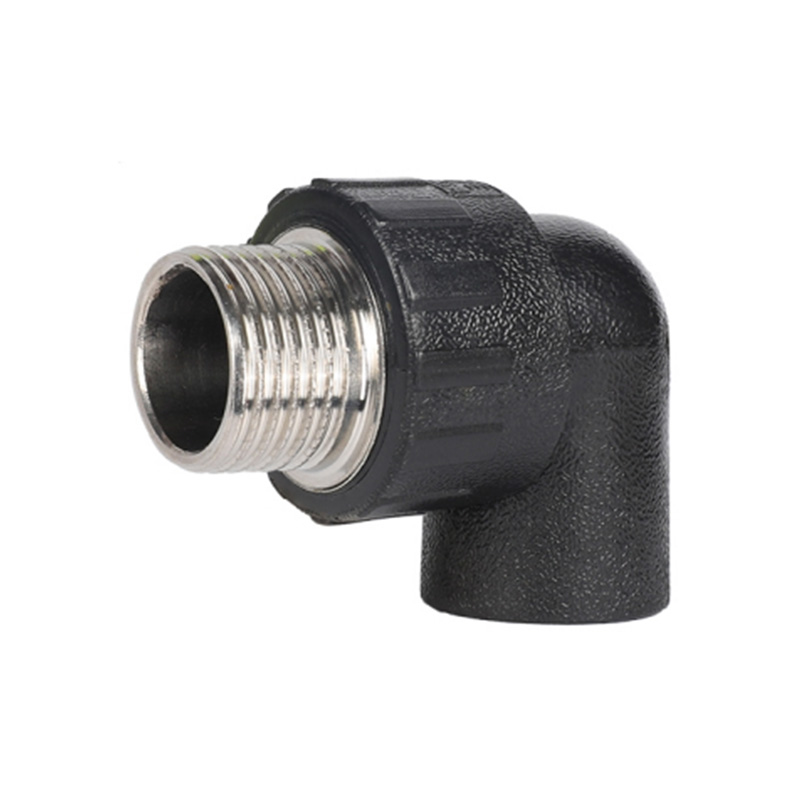
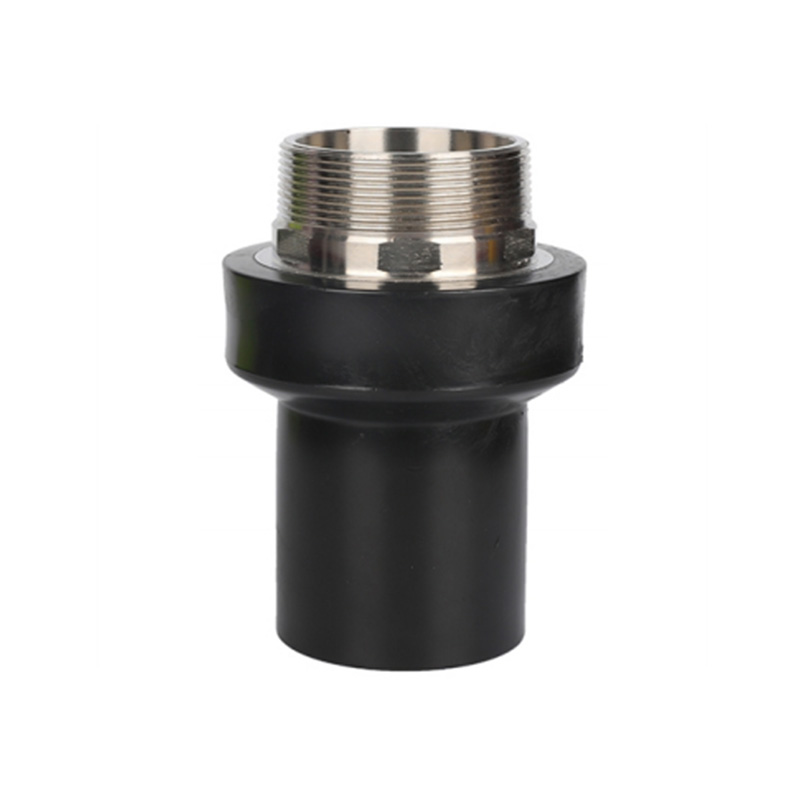
- HDPE transition fittings: These solve transition problems between different pipe materials, such as metal and plastic. Their internal mechanical structure ensures sealing stability under pressure despite the different thermal expansion coefficients of the materials.
Technical Comparison of Connection Technologies
| Connection Technology | Application Scenario | Sealing Characteristics | Tensile Strength | Maintenance |
| HDPE fusion fittings | Continuous long-distance lines | Very High (Integral structure) | Very High (Molecular bond) | Non-removable |
| HDPE electrofusion fittings | Repairs, complex networks | Very High (Automated) | High | Non-removable |
| Mechanical Fittings | Pump stations, valve connections | Moderate (Rubber seal) | Moderate | Removable |
Installation and Optimization of High-Performance Systems
In practical applications, the installation precision of HDPE pipe fittings directly impacts the long-term performance of the network. Installation technicians must ensure that contact surfaces are thoroughly cleared of impurities and oxidation layers. When using HDPE electrofusion fittings, ambient temperature and voltage fluctuations can affect the fusion result, requiring strict adherence to equipment specifications.
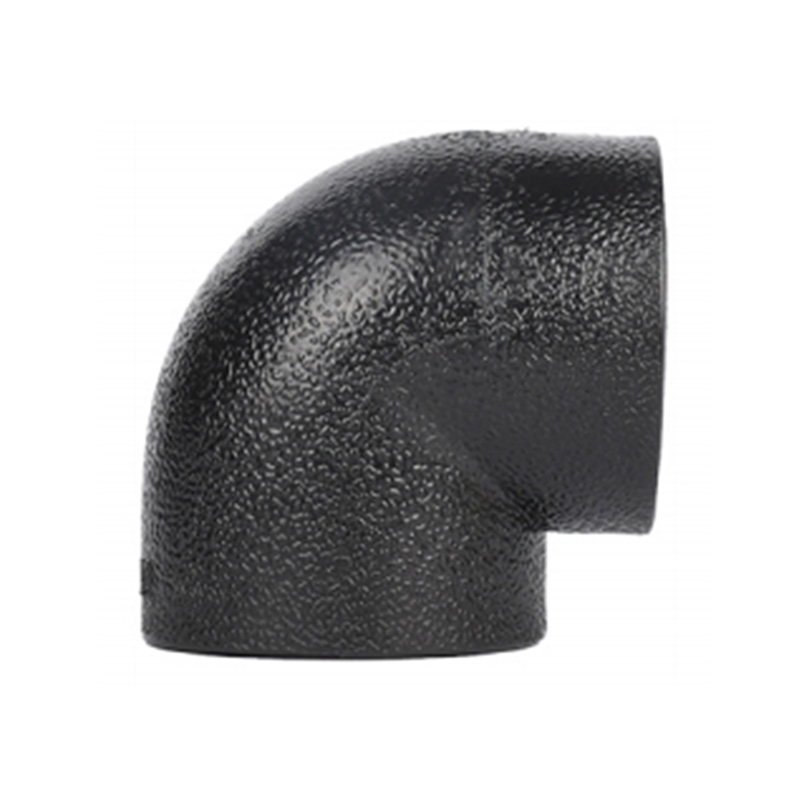
For nodes involving flow direction changes, the rational configuration of HDPE tee fittings can effectively reduce water hammer impact. If the pipeline needs to connect to control systems made of different materials, it is essential to use specific HDPE transition fittings to avoid stress concentration caused by differences in material physical properties.
Regarding long-term maintenance, HDPE water pipe fittings and associated connection components demonstrate excellent maintenance-free characteristics. The molecular inertness of the material allows it to transport acidic or alkaline liquids without additional coatings, and its lightweight nature significantly reduces installation and construction complexity. During the design phase, the selection of appropriate HDPE valves and fittings based on pressure levels not only enhances system scheduling capabilities but also protects the overall pipe structure during emergencies. Through the use of standardized component assemblies, it is possible to construct a highly efficient transport network characterized by high pressure resistance, long service life, and zero leakage.
KEEP IN TOUCH

About Us
Zhejiang Fengfeng Pipe Industry Co., Ltd. uses efficient single screw injection molding machines for high productivity and low energy use.
Products link
Contact
-

+86-19858193396
+86-13735359894 -

+86-0574-63555288
-

-

No. 21, Market Road, Diankou Town, Zhuji City, Shaoxing City, Zhejiang Province, China