


 English
 中文简体
中文简体 русский
Industry news
 Home / News / Industry news / How to Ensure 100% Leak-Proof Connections When Installing HDPE Pipe Fittings
 How to Ensure 100% Leak-Proof Connections When Installing HDPE Pipe Fittings
 2026.06.29
 Industry news
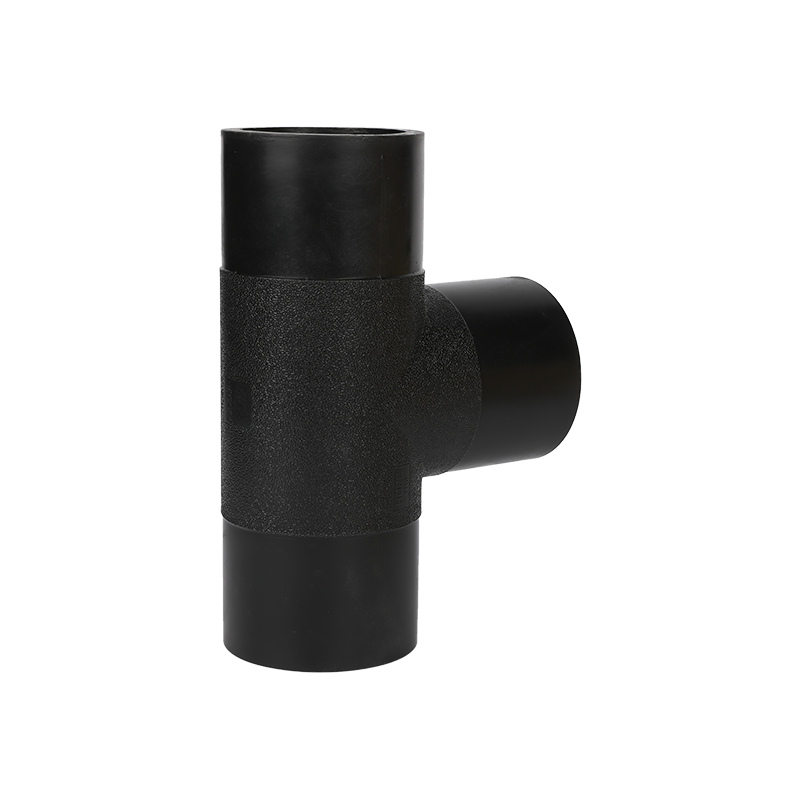
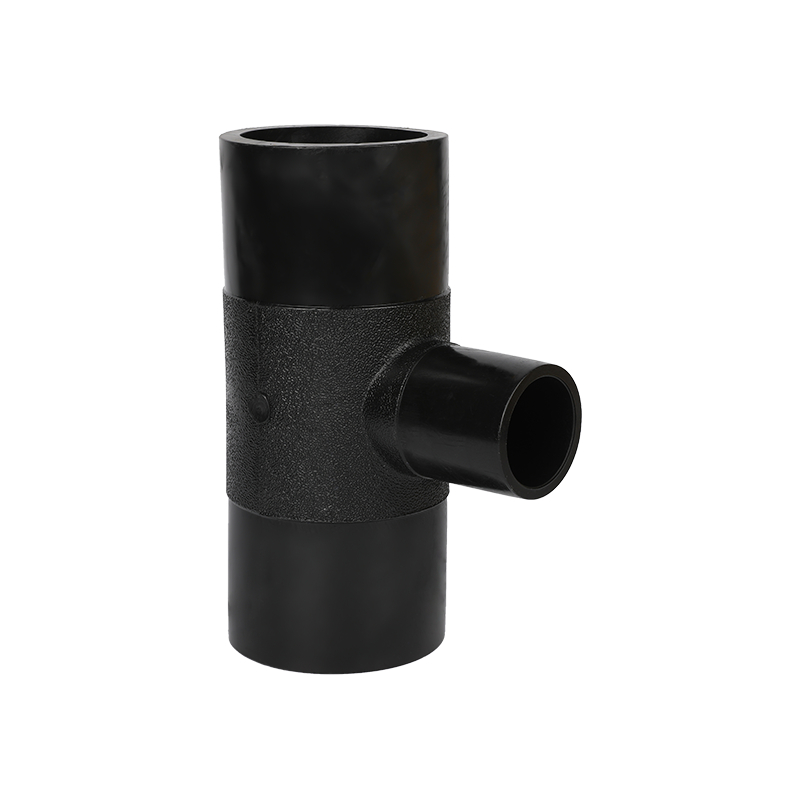
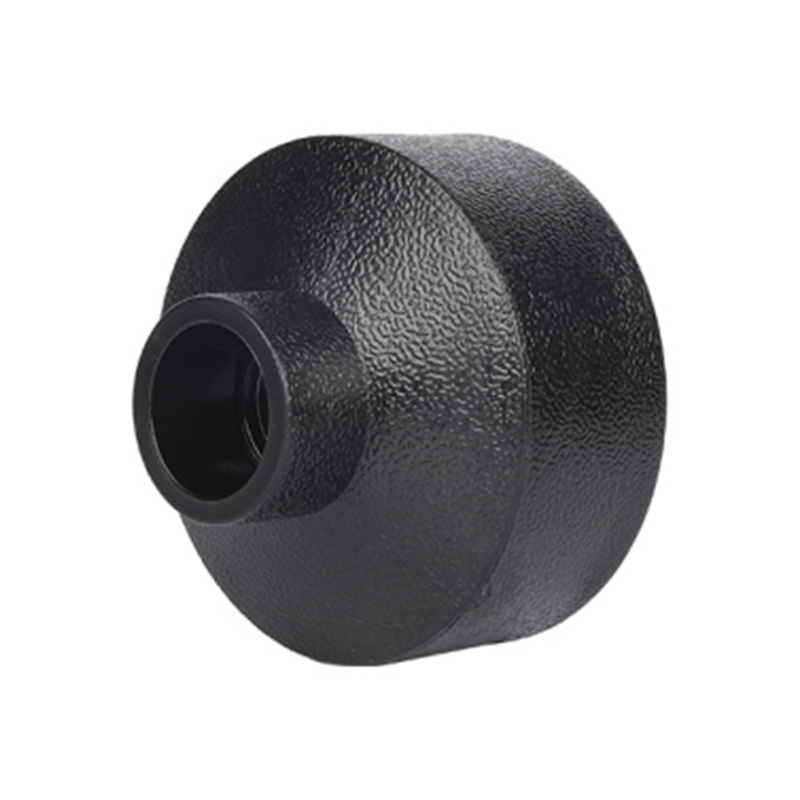
HDPE pipe fittings are widely used in industrial water supply, mining transportation, and municipal engineering due to their excellent corrosion resistance, high toughness, and superior chemical stability. In actual construction, mastering the correct connection technology is the core of ensuring the long-term operational stability and sealing of the piping system.
Core Connection Technology of HDPE Pipe Fittings
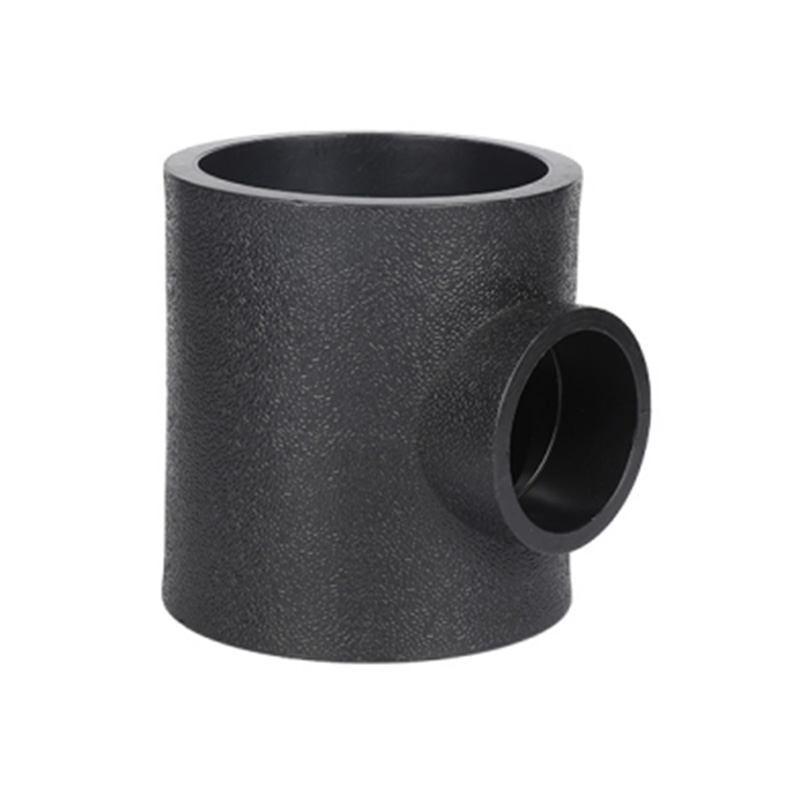
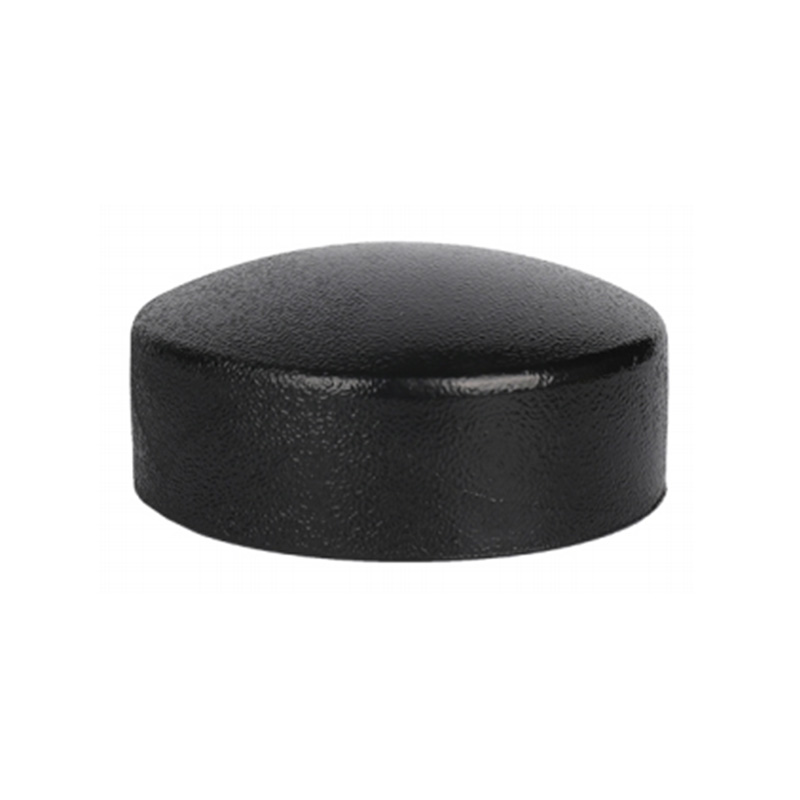
To ensure the safety of fluid transportation, the connection method of HDPE fittings must be selected according to the operating requirements. Common connection methods include Butt Fusion, Electrofusion, and mechanical connection.
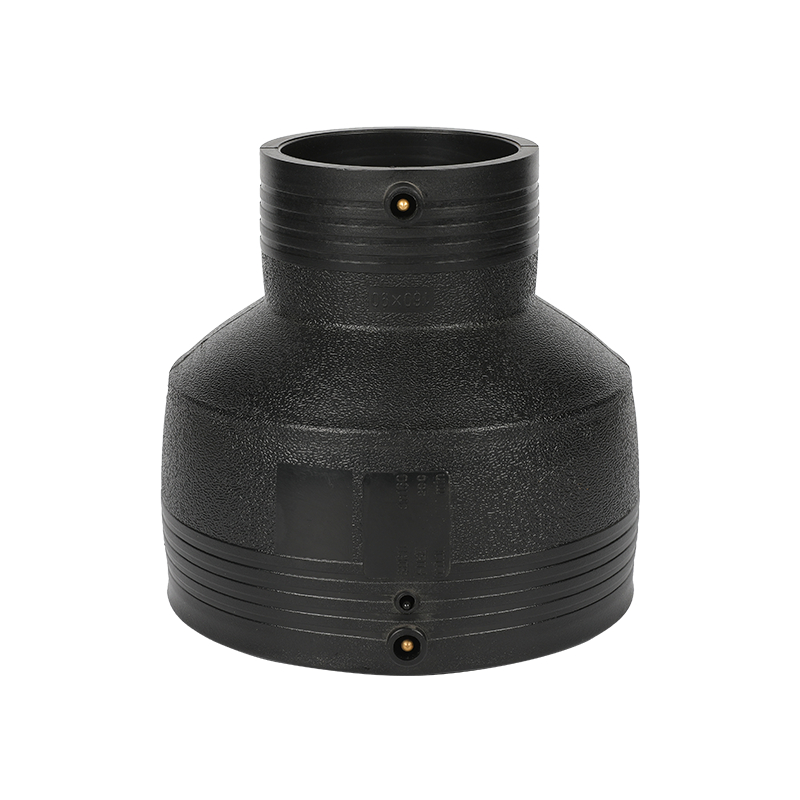
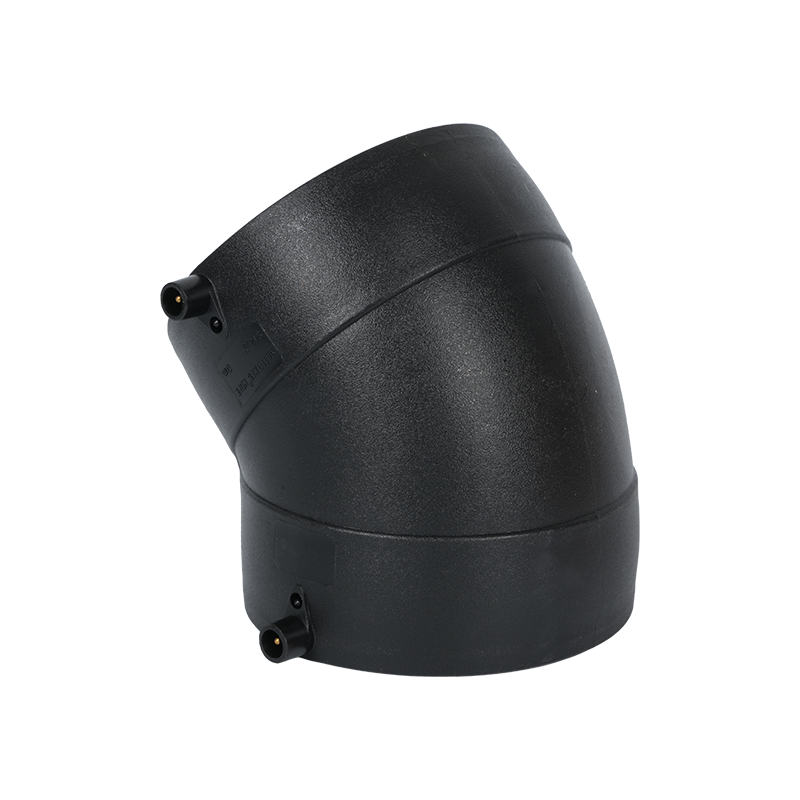
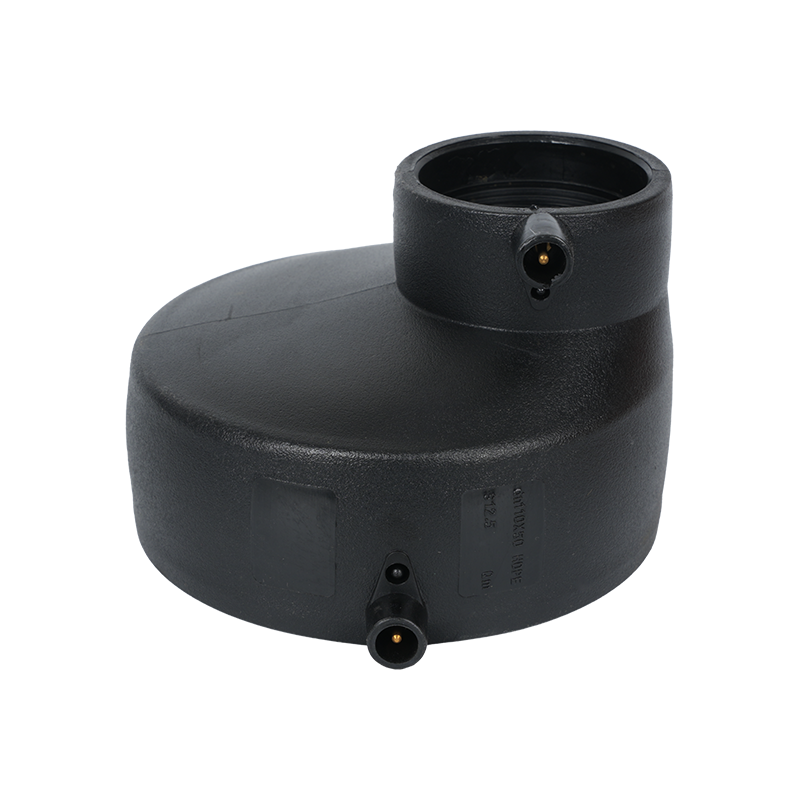
For large diameter or high-pressure operating conditions, Butt Fusion is the preferred process. This technology uses a heating plate to heat the end faces of the pipe and the fitting HDPE pipe to a viscous flow state, then quickly pressurizes and cools to form a physical fusion between molecular chains. Electrofusion uses a resistance wire embedded in the inner wall of the HDPE fitting for heating, which is suitable for narrow space operations or later maintenance, with a high degree of automation and reliable sealing.
Customized Industrial Application Solutions
Different pipeline projects require specific configurations. As a direct manufacturer, we provide tailored technical specifications for various operational environments to ensure system integrity.
| Operating Environment | Recommended Fitting Type | Key Performance Focus |
| High-Pressure Water Distribution | Butt Fusion Fittings (SDR 11) | Long-term hoop stress resistance |
| Confined Space Utility Upgrades | Electrofusion Couplers | Ease of assembly and reliability |
Manufacturing Precision & Quality Benchmarks
Every batch of our HDPE products undergoes rigorous testing in our on-site laboratory. We adhere to international standards to ensure the mechanical properties of our fittings match the pipe base material perfectly.
Material Consistency
We utilize premium PE100 resins, ensuring a predictable Melt Flow Rate (MFR) which is critical for consistent hot-melt fusion results across all installation sites.
Dimensional Tolerance
Advanced CNC machining ensures that the ovality and wall thickness of every fitting strictly meet the nominal pressure (PN) ratings required for safe operations.
Field Engineer Tips for Pipeline Integrity
Proper installation is the final step in product performance. Avoid common pitfalls by following our manufacturer-recommended field protocols.
- Environmental Control: Always shelter your butt fusion equipment from direct wind and extreme cold to prevent uneven cooling of the molten pipe interfaces.
- Surface Preparation: Never touch the scraped pipe ends with bare hands. Oils from skin can create microscopic voids that compromise the fusion bond.
- Pressure Testing: After installation, always conduct a hydrostatic pressure test at 1.5 times the operating pressure for at least two hours before full system commissioning.
KEEP IN TOUCH

About Us
Zhejiang Fengfeng Pipe Industry Co., Ltd. uses efficient single screw injection molding machines for high productivity and low energy use.
Products link
Contact
-

+86-19858193396
+86-13735359894 -

+86-0574-63555288
-

-

No. 21, Market Road, Diankou Town, Zhuji City, Shaoxing City, Zhejiang Province, China