


 English
 中文简体
中文简体 русский
Industry news
 Home / News / Industry news / Will HDPE siphon drainage fittings experience creep deformation during long-term use
 Will HDPE siphon drainage fittings experience creep deformation during long-term use
 2025.12.15
 Industry news
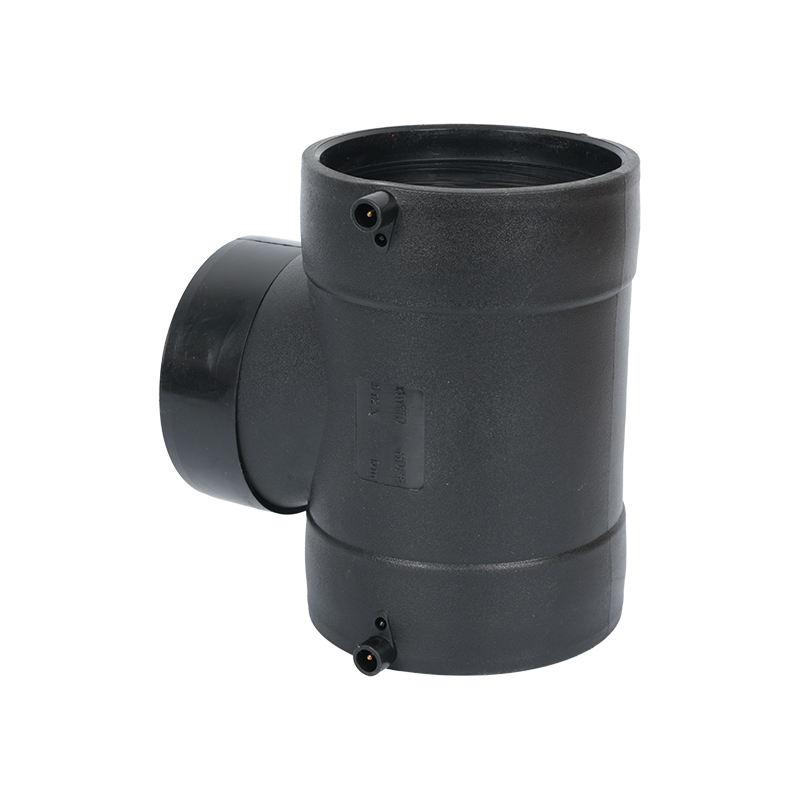
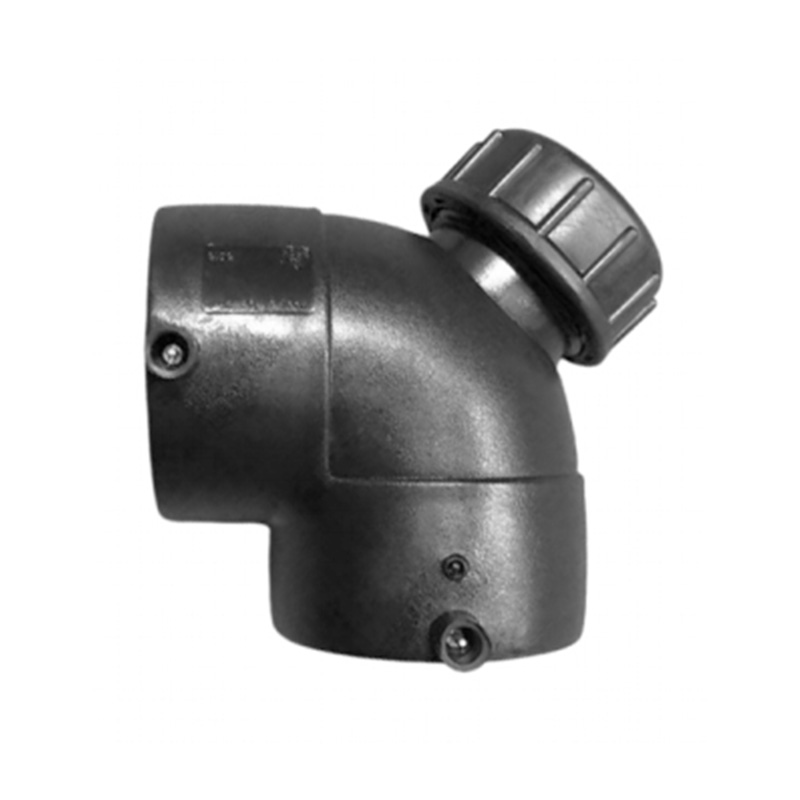
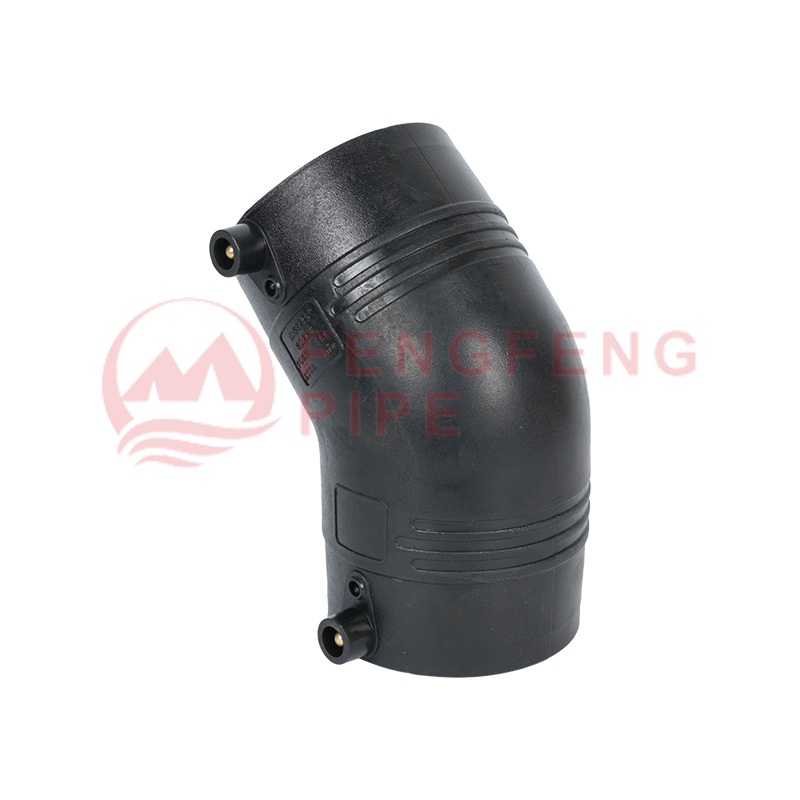
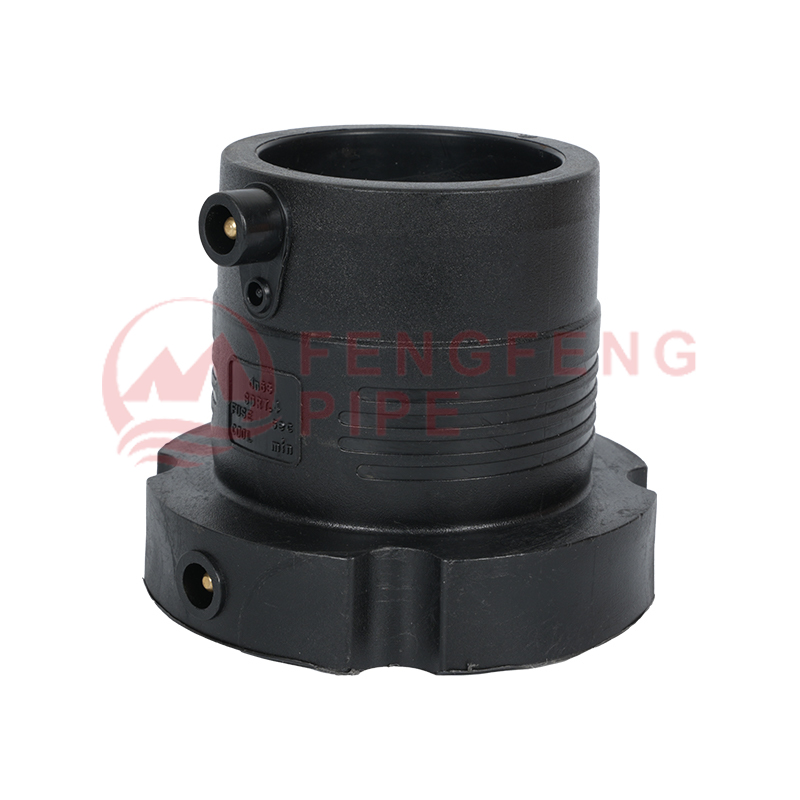
HDPE siphon drainage fittings are widely used in modern building rainwater, wastewater, and industrial drainage systems due to their corrosion resistance, lightweight nature, high strength, and ease of installation. During long-term operation, these fittings may experience creep, a phenomenon in which a material undergoes slow, progressive deformation under sustained load. Understanding the mechanisms and influencing factors of creep is critical for system design, maintenance, and service life assessment.
1. Creep Characteristics of HDPE Material
HDPE is a thermoplastic polymer with flexible molecular chains. Under sustained stress or continuous pressure and bending forces, the polymer chains gradually shift, causing permanent deformation of the pipe. Key characteristics of HDPE creep include:
- Slow Deformation: Over time, the diameter or length of the pipe may gradually increase or decrease under constant stress.
- Limited Recoverability: At low stress levels, some deformation can recover, but long-term or high-stress conditions often lead to irreversible changes.
- Stress Dependence: The creep rate is closely related to internal pressure, wall thickness, and environmental temperature.
2. Impact of Creep on Siphon Drainage Systems
Siphon drainage systems demand high sealing performance and structural stability. Potential impacts of HDPE pipe creep include:
- Joint Loosening: Long-term creep may cause uneven stress at butt fusion or electrofusion joints, reducing sealing efficiency.
- Pipe Deformation: Radial or longitudinal expansion may alter the pipe slope, affecting siphon drainage efficiency.
- Local Stress Concentration: Minor deformations can create stress concentration points at elbows, tees, or junctions, increasing the risk of cracking.
3. Factors Influencing Creep
Several factors affect HDPE pipe creep behavior:
- Operating Pressure and Fluid Type: High-pressure systems or aggressive chemical liquids can accelerate the creep rate.
- Environmental Temperature: Elevated temperatures increase molecular chain activity, speeding up creep. Pipes exposed to high temperatures for extended periods are more prone to deformation.
- Pipe Specifications: Thinner walls and larger diameters are more sensitive to creep.
- Duration of Load: Creep is time-dependent; the longer the sustained load, the greater the cumulative deformation.
4. Methods to Control HDPE Pipe Creep
During design and installation, the following measures can reduce creep effects:
- Material Selection: Use high-density, high-molecular-weight HDPE to improve creep resistance.
- Optimizing Wall Thickness: Increase wall thickness according to system pressure and flow requirements to reduce stress per unit area and slow creep.
- Reducing Long-Term Stress: Proper pipe layout, support, and anchoring help distribute loads evenly and prevent localized stress.
- Temperature Management: Bury or shield pipes from direct sunlight and high-temperature exposure to maintain long-term stability.
- Regular Inspection and Maintenance: Monitor joints, elbows, and high-stress sections periodically to detect minor deformations or joint loosening early.
5. Significance of Creep for System Lifespan
HDPE siphon drainage fittings have a long service life, but creep is a key factor limiting long-term performance. Scientific evaluation of creep risk helps:
- Accurately Estimate Lifespan: Creep analysis allows prediction of pipe service life under designed pressure and temperature conditions.
- Optimize Maintenance Plans: Identify high-risk sections and develop inspection and replacement schedules to improve reliability.
- Maintain Drainage Efficiency: Minimizing slope changes caused by creep ensures smooth operation of the siphon drainage system.
KEEP IN TOUCH

About Us
Zhejiang Fengfeng Pipe Industry Co., Ltd. uses efficient single screw injection molding machines for high productivity and low energy use.
Products link
Contact
-

+86-19858193396
+86-13735359894 -

+86-0574-63555288
-

-

No. 21, Market Road, Diankou Town, Zhuji City, Shaoxing City, Zhejiang Province, China