


 English
 中文简体
中文简体 русский
Industry news
 Home / News / Industry news / What are the different types of connections available for HDPE siphon drainage fittings
 What are the different types of connections available for HDPE siphon drainage fittings
 2025.12.08
 Industry news
HDPE siphon drainage fittings are widely used in modern building drainage systems. Their corrosion resistance, lightweight nature, high strength, and long service life make them ideal for rainwater, wastewater, and industrial drainage applications. The type of connection significantly affects the system’s sealing performance, installation convenience, and overall drainage efficiency. Understanding different connection types is essential for design, construction, and long-term system performance.
1. Butt Fusion Connections
Butt fusion is one of the most common connection methods for HDPE pipes. It involves heating the pipe ends until molten and pressing them together to create a molecular-level bond. Key characteristics include:
- Excellent Sealing: Molecular fusion eliminates leakage risks typical of mechanical connections, making it suitable for high-pressure and long-distance siphon drainage systems.
- High Structural Strength: The joint strength can match or exceed the parent pipe, ensuring stability under high-flow conditions.
- Long-Term Durability: Resistant to aging and chemical corrosion, butt fusion joints require minimal maintenance and can last over 50 years.
The process requires specialized welding equipment and trained personnel. Proper temperature and pressure control during installation are critical to achieving reliable joints.
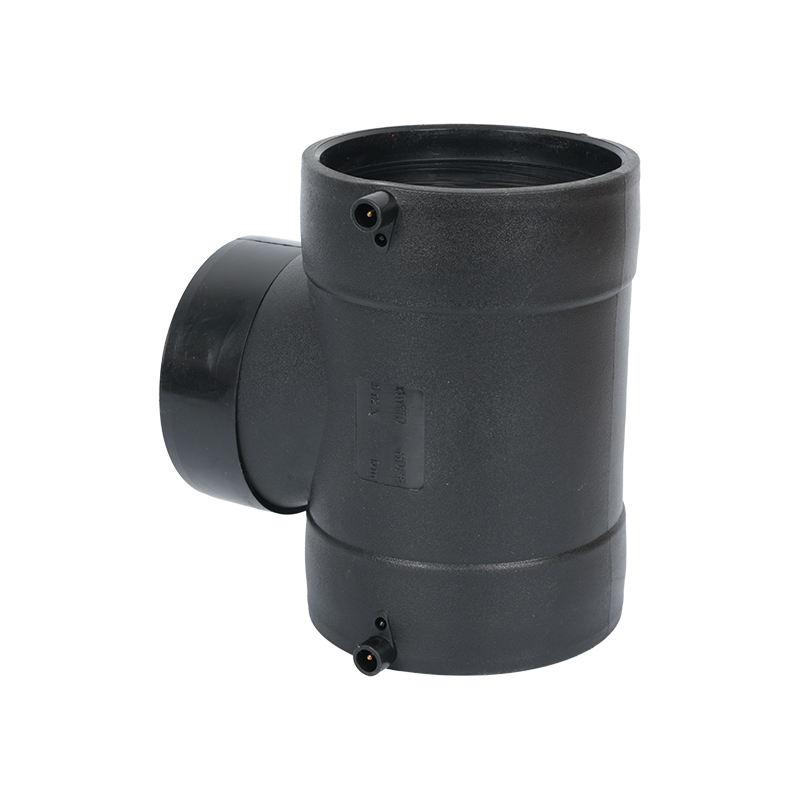
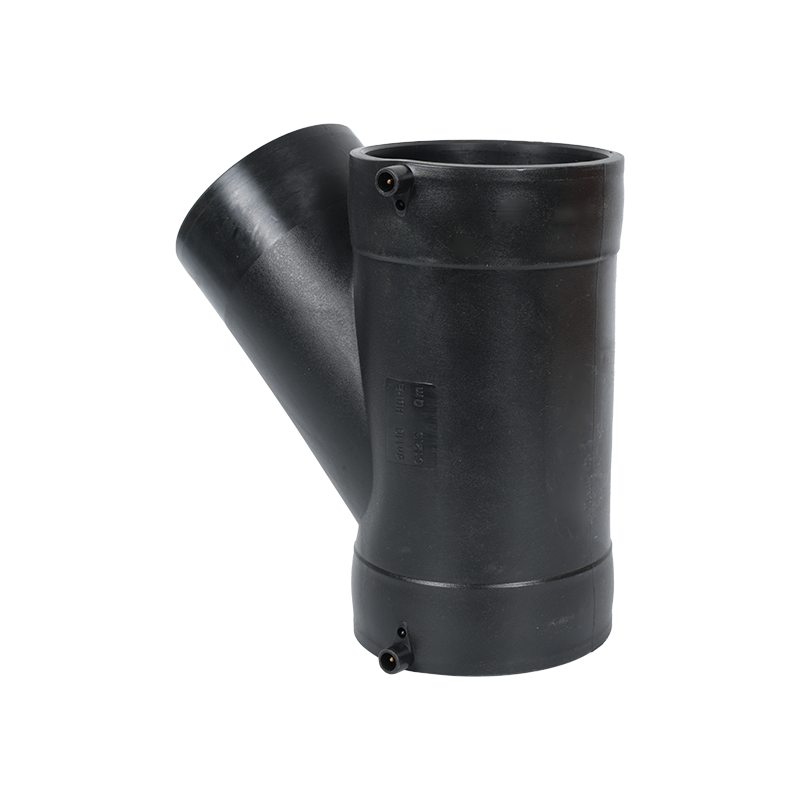
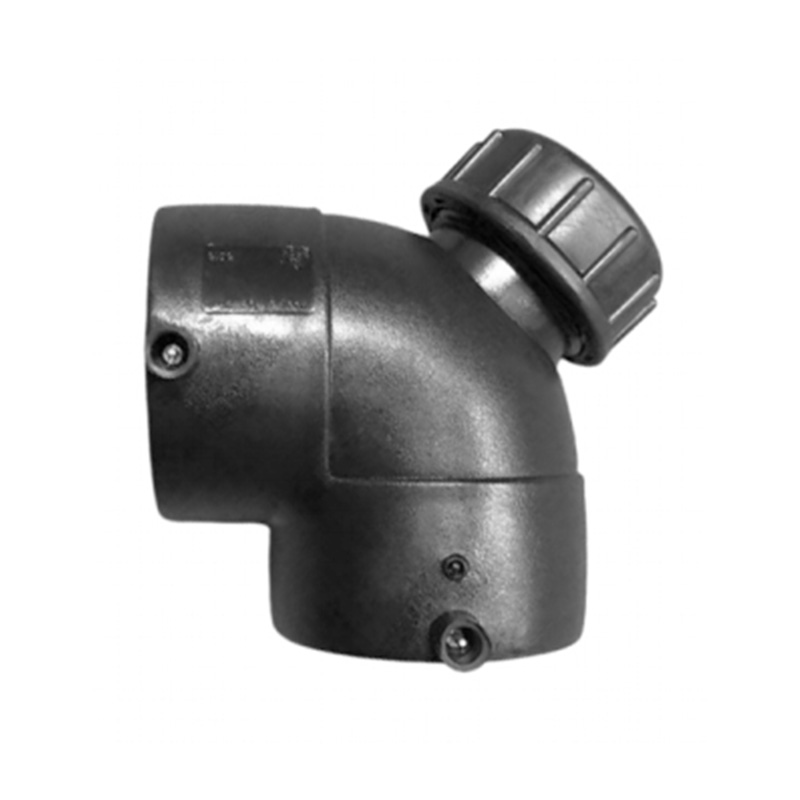
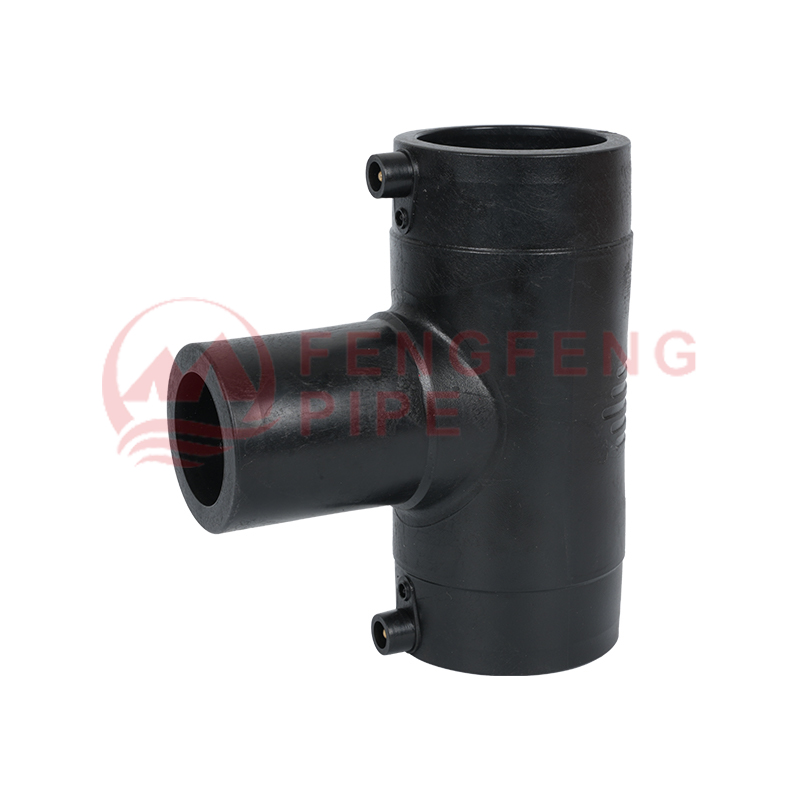
2. Electrofusion Connections
Electrofusion connections use built-in heating coils within the fitting. When powered, the coils melt the interface material, fusing the pipes together. Advantages include:
- Flexible Installation: Ideal for tight spaces or on-site conditions where traditional welding is challenging.
- Uniform Stress Distribution: Joints experience even stress, suitable for handling transient high pressures in siphon drainage systems.
- Traceable Quality: Some electrofusion devices record welding parameters, ensuring quality control and easier maintenance tracking.
Electrofusion is commonly applied to smaller diameter HDPE fittings but can be adapted for larger systems with appropriate adapters.
3. Socket Fusion Connections
Socket fusion involves inserting the pipe end into a fitting socket, heating both parts, and allowing them to cool to form a secure bond. Its benefits include:
- Ease of Installation: Simpler operation, ideal for rapid installations and emergency repairs.
- Cost-Effective: Requires minimal equipment, reducing installation costs.
- Versatile Application: Suitable for small to medium diameter fittings, often used in multi-story building siphon drainage systems.
Correct insertion depth and even heating are crucial to prevent joint looseness or sealing failures.
4. Flanged Connections
Flanged connections secure the pipe to another pipe or device using bolts and a rubber gasket. Key advantages include:
- Easy Maintenance: Simplifies system inspection and partial replacement, ideal for frequent maintenance or access points.
- High Pressure Tolerance: Can withstand high-flow and high-pressure conditions.
- Material Compatibility: Can connect to different pipe materials or valves, meeting diverse design requirements.
Proper gasket selection and bolt torque are critical to prevent leaks during long-term operation.
5. Quick Coupling Connections
Quick coupling connections use clips, locks, or screw mechanisms for fast assembly. Features include:
- Rapid Installation: No specialized welding or tools required, reducing installation time.
- Easy Maintenance: Pipes can be quickly removed and replaced, suitable for temporary systems or sections requiring frequent access.
- Reliable Sealing: Paired with high-performance gaskets, quick couplings meet medium- and low-pressure siphon drainage requirements.
Quick couplings are widely used in small residential drainage systems and offer flexibility and expandability on construction sites.
6. Choosing the Right Connection Type
Selecting the appropriate connection type depends on system size, flow requirements, construction environment, and maintenance considerations. Large commercial or industrial drainage systems often rely on butt fusion or electrofusion for superior sealing and strength. Small to medium-sized building projects benefit from socket fusion or quick coupling connections for faster installation. Flanged connections are preferred where frequent maintenance or compatibility with other pipe materials is necessary.
Connection choice directly impacts drainage efficiency, system lifespan, and maintenance costs. A thorough understanding of HDPE siphon drainage fitting connection types provides designers, contractors, and maintenance personnel with a clear foundation for reliable, long-term system performance.
KEEP IN TOUCH

About Us
Zhejiang Fengfeng Pipe Industry Co., Ltd. uses efficient single screw injection molding machines for high productivity and low energy use.
Products link
Contact
-

+86-19858193396
+86-13735359894 -

+86-0574-63555288
-

-

No. 21, Market Road, Diankou Town, Zhuji City, Shaoxing City, Zhejiang Province, China