


 English
 中文简体
中文简体 русский
Industry news

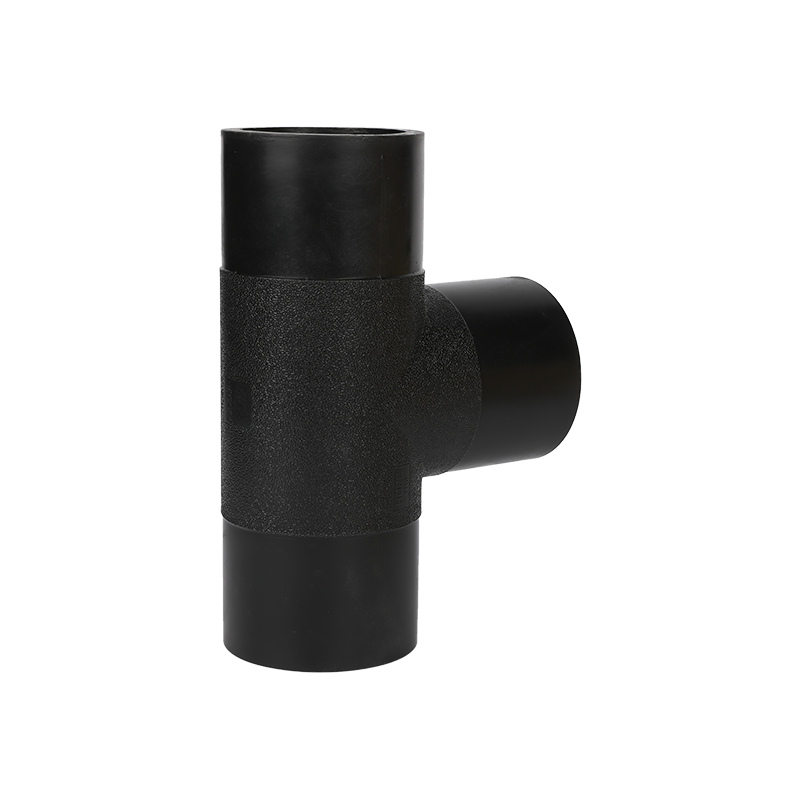
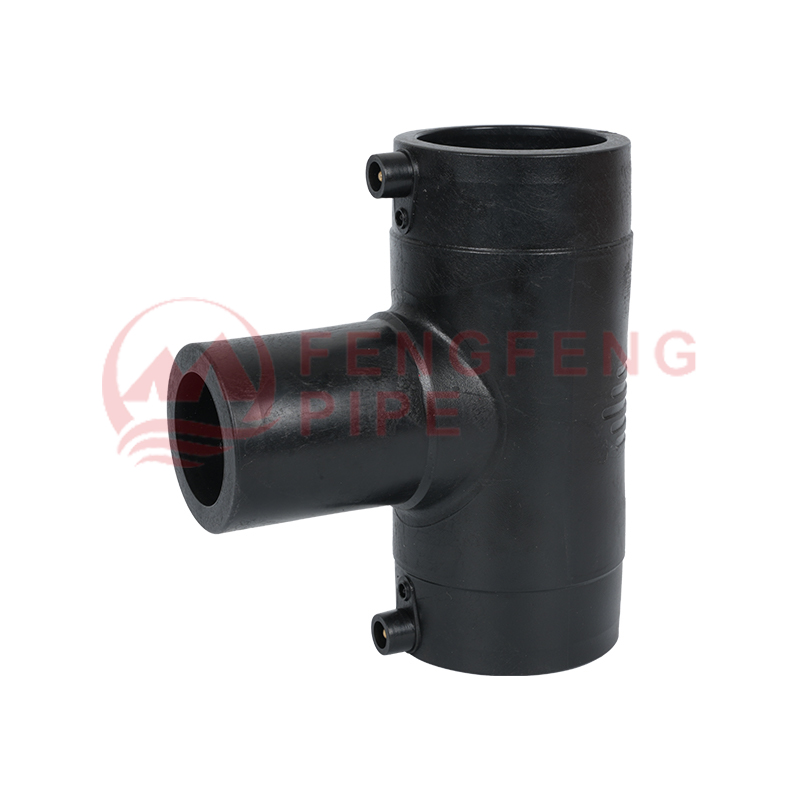
What are the common material grades for HDPE butt fusion equal tees
 2025.12.22
 Industry news
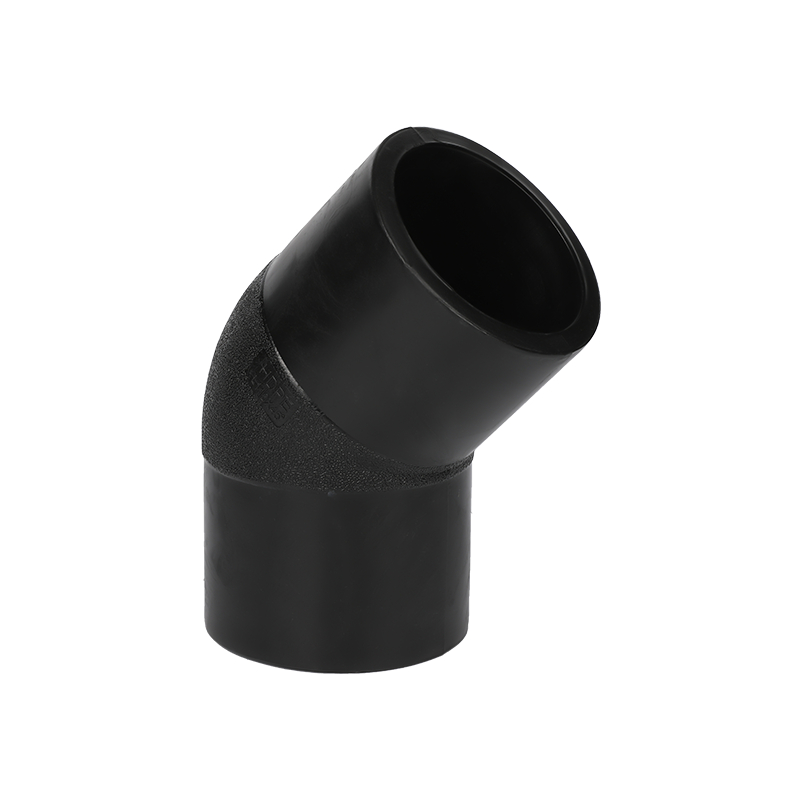
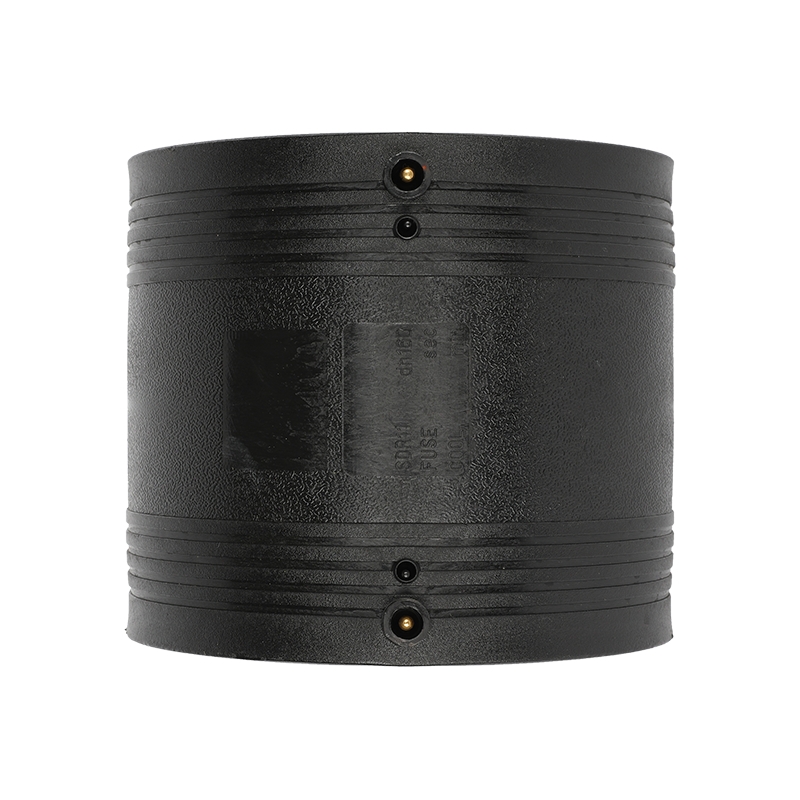
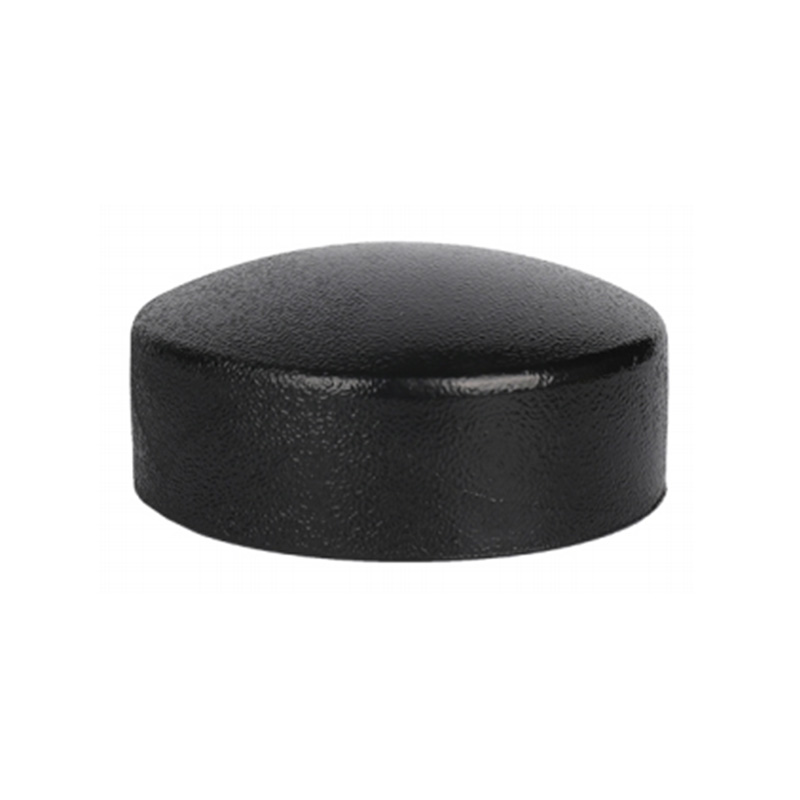
High-density polyethylene (HDPE) pipes are widely used in water supply, gas distribution, wastewater, and chemical transport systems due to their excellent corrosion resistance, durability, and long service life. Among HDPE pipe components, tees play a critical role in branching pipelines, and the HDPE Butt Fusion Equal Tee is particularly important for reliable operation. Selecting the proper material grade for these tees directly affects the overall performance, weld quality, and safety of the piping network.
Overview of Material Grades
HDPE pipes are classified based on international and national standards according to density, molecular weight, melt flow rate, and long-term pressure resistance. The most commonly used grades for Butt Fusion Equal Tees are PE80 and PE100. Higher grades generally provide superior pressure resistance, creep resistance, and environmental stress crack resistance (ESCR).
PE80 Grade
PE80 is an established HDPE material grade, suitable for medium-pressure piping systems. It can typically handle long-term working pressures up to 10–12.5 MPa, depending on pipe diameter and SDR (Standard Dimension Ratio). PE80 offers moderate molecular weight and good processability, making it suitable for:
-
Municipal water supply networks, including residential and community pipelines.
-
Agricultural irrigation pipelines, resistant to acidic or alkaline soils.
-
Low-pressure gas distribution projects.
PE80 Butt Fusion Equal Tees exhibit stable welding performance and relatively forgiving installation tolerances. However, under prolonged high-temperature or high-pressure conditions, PE80’s creep resistance is slightly lower than PE100.
PE100 Grade
PE100 is the mainstream high-performance grade for HDPE pipes, with a service life exceeding 50 years under standard conditions. Its higher density and molecular weight enhance tensile strength, creep resistance, and resistance to environmental stress cracking. PE100 tees are widely used in:
-
High-pressure gas distribution systems, with pressure ratings up to 16 MPa.
-
Urban water supply main lines and industrial water transport.
-
Chemical liquid transport pipelines, offering excellent corrosion resistance.
PE100 Butt Fusion Equal Tees require precise control during welding, including correct temperature, heating time, and fusion pressure to ensure uniform joint quality. The high toughness and long-term durability reduce maintenance frequency and ensure stable operation in complex piping networks.
Advanced Material Grades
Recent developments have introduced advanced grades such as PE100-RC (Resistance to Creep), which retain high strength while significantly improving resistance to environmental stress cracking. PE100-RC tees are ideal for pipelines in geologically active regions or areas with complex soil conditions. They are especially suitable for long-distance, high-pressure pipelines, such as industrial water, gas, and chemical transport systems.
Factors for Material Grade Selection
Choosing the appropriate material grade for HDPE Butt Fusion Equal Tees requires consideration of several factors:
-
Operating Pressure and Temperature: Higher design pressures require higher-grade materials like PE100 or PE100-RC.
-
Medium Characteristics: Corrosive or chemically aggressive liquids necessitate high-density, high-toughness grades.
-
Installation Environment: Buried pipelines, UV exposure, or areas prone to ground movement demand materials with high ESCR.
-
Welding and Installation Conditions: PE100 grades require skilled technicians and controlled welding procedures to achieve optimal joint quality.
KEEP IN TOUCH

About Us
Zhejiang Fengfeng Pipe Industry Co., Ltd. uses efficient single screw injection molding machines for high productivity and low energy use.
Products link
Contact
-

+86-19858193396
+86-13735359894 -

+86-0574-63555288
-

-

No. 21, Market Road, Diankou Town, Zhuji City, Shaoxing City, Zhejiang Province, China