


 English
 中文简体
中文简体 русский
Industry news

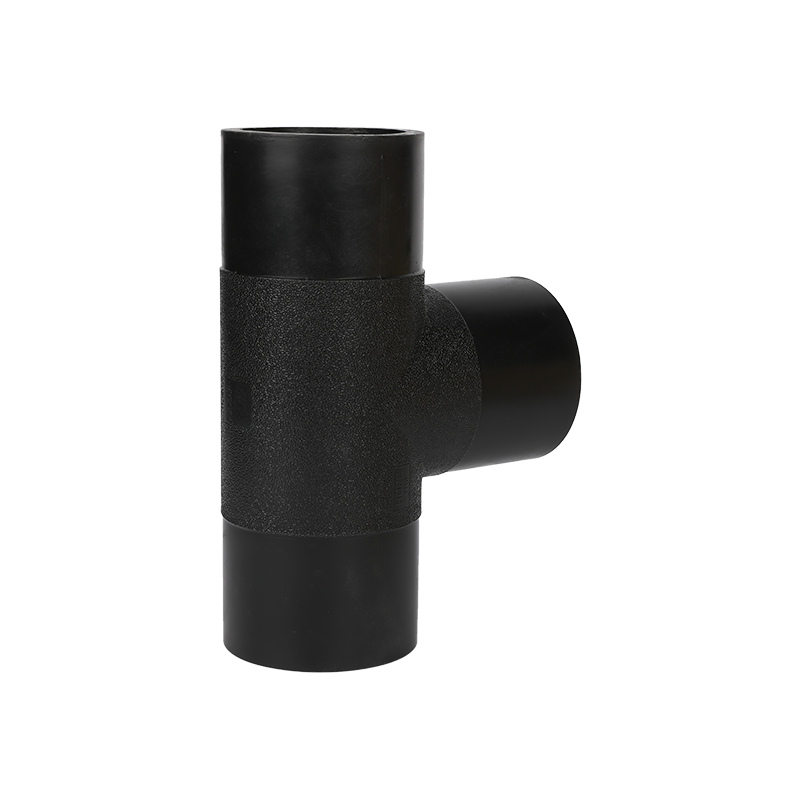
In which piping systems are HDPE butt fusion equal tees commonly used
 2025.12.29
 Industry news
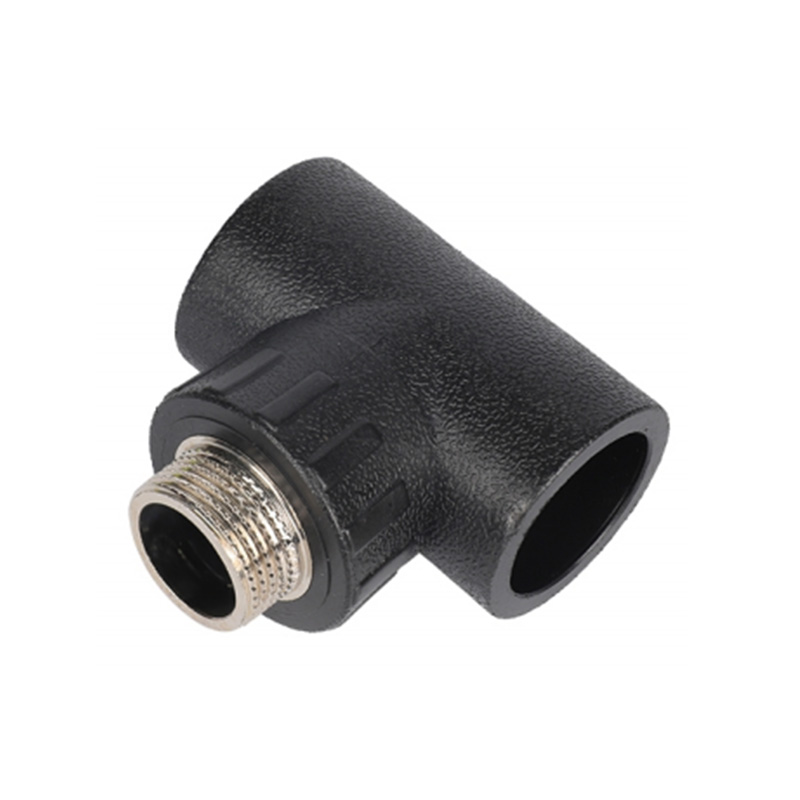
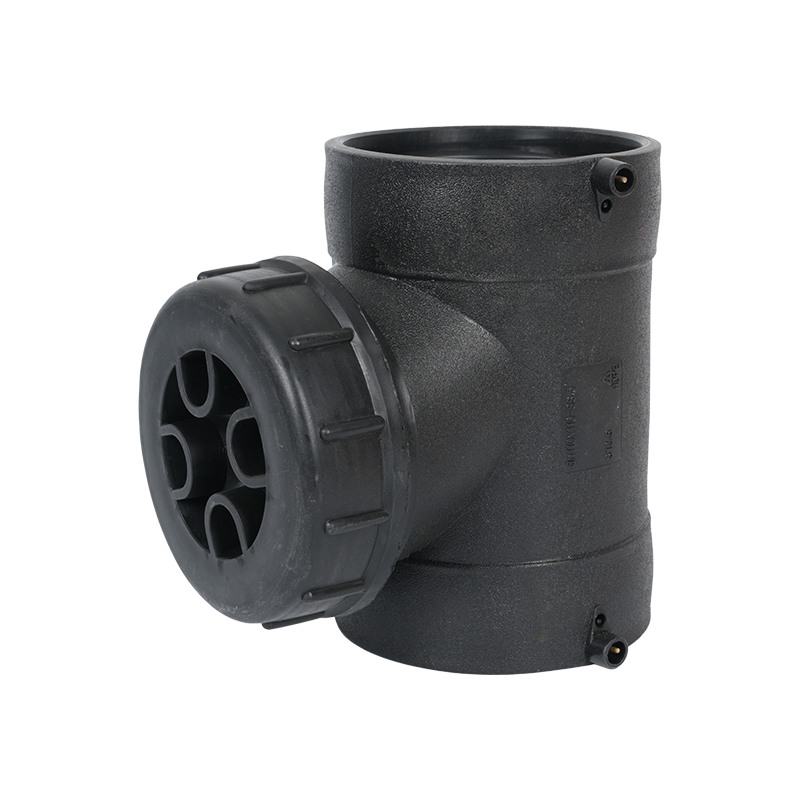
High-density polyethylene (HDPE) pipes are widely recognized for their exceptional corrosion resistance, long service life, and durability. Among HDPE pipe components, the HDPE Butt Fusion Equal Tee plays a critical role in branch connections, enabling efficient flow distribution and network flexibility. Its applications span municipal water supply, gas distribution, agricultural irrigation, industrial pipelines, and wastewater systems.
Municipal Water Supply Systems
Municipal water supply networks are among the most common applications for HDPE Butt Fusion Equal Tees. HDPE pipes resist corrosion from minerals, chemicals, and microbial growth, ensuring safe and clean water delivery.
Equal tees are used to branch off main water lines, connect service lines, or re-route pipelines. They support multiple pipe diameters and SDR (Standard Dimension Ratio) classes, making them suitable for varying pressure levels. High-density PE100 tees are preferred for high-pressure municipal systems, offering long-term reliability and minimizing leakage and maintenance.
Gas Distribution Networks
Gas pipelines demand the highest safety standards, making HDPE Butt Fusion Equal Tees ideal for these systems. HDPE’s toughness, low-temperature resistance, and excellent weldability ensure a secure, leak-free connection that withstands high pressure and ground movement.
Tees facilitate branching from main gas pipelines to residential or industrial service lines. PE100 and PE100-RC (Resistance to Creep) materials maintain structural integrity under long-term operation, meeting stringent gas industry safety requirements.
Agricultural Irrigation Systems
HDPE Butt Fusion Equal Tees are widely used in agricultural irrigation and drainage networks due to their lightweight construction, high toughness, and resistance to corrosion. They perform well in acidic or alkaline soil and can handle varying water qualities.
Tees connect lateral irrigation lines to main supply lines, creating an even water distribution network. PE80 tees are commonly used in medium-pressure irrigation systems. Their ease of installation and forgiving welding characteristics make them ideal for rural or large-scale farmland projects.
Industrial Liquid Transport Systems
Industrial applications, including chemical, pharmaceutical, and food processing pipelines, benefit from HDPE Butt Fusion Equal Tees. HDPE resists corrosion from acids, bases, salts, and many organic solvents, making it ideal for industrial liquid transport.
Equal tees are used for liquid branching, loop connections, or system modifications. High-density, high-toughness materials such as PE100 and PE100-RC provide superior pressure, chemical, and creep resistance, ensuring long-term system safety and stability.
Wastewater and Drainage Systems
HDPE Butt Fusion Equal Tees are critical components in urban drainage and wastewater management systems. HDPE pipes resist abrasion, chemical corrosion, and scaling, making them suitable for stormwater, sewage, and industrial wastewater applications.
Tees are used for branch connections, flow merging, and pump station interfaces. Welded equal tees provide secure, leak-free connections, enhancing overall system efficiency and reliability while reducing the risk of contamination and maintenance costs.
Municipal Infrastructure and Specialized Applications
HDPE Butt Fusion Equal Tees are increasingly used in specialized projects, including subway drainage, tunnel water supply, seawater intake, and mining pipelines. HDPE’s resistance to environmental stress cracking and low-temperature impact allows tees to function reliably under harsh conditions.
In these applications, tees not only facilitate branching but also ensure long-term stability, minimizing the need for maintenance or replacement. Proper material selection and precise fusion welding are key to achieving high-performance results in complex pipeline networks.
KEEP IN TOUCH

About Us
Zhejiang Fengfeng Pipe Industry Co., Ltd. uses efficient single screw injection molding machines for high productivity and low energy use.
Products link
Contact
-

+86-19858193396
+86-13735359894 -

+86-0574-63555288
-

-

No. 21, Market Road, Diankou Town, Zhuji City, Shaoxing City, Zhejiang Province, China