


 English
 中文简体
 русский
Industry news
 Home / News / Industry news / Butt Fusion vs Electrofusion Fittings: How to Choose the Right HDPE Joint
Butt Fusion vs Electrofusion Fittings: How to Choose the Right HDPE Joint
 2026.11.24
 Industry news
The difference between butt fusion and electrofusion fittings is practical, not cosmetic. In butt fusion, two prepared pipe ends are heated by an external plate and pressed together. In electrofusion, the fitting carries an embedded resistance wire and heats the joint from inside the fitting body. That single difference changes the machine, the preparation work, the operator skill, the inspection evidence, and the installed cost.
For a 110 mm water main in an open trench, butt fusion is often the direct, economical choice. For a 63 mm branch connection in a tight excavation, or a repair close to a wall, an electrofusion coupler is often easier to control. Neither method is universally better. The correct choice depends on pipe diameter and SDR, available working space, power supply, operator discipline, weather protection, and the quality record required by the project.
This guide explains the two joint types from the fitting outward: how the heat reaches the polyethylene, where each method performs well, where it creates risk, and what to check before placing an order. The focus is on HDPE and PE-RT II piping systems used in water supply, gas distribution, industrial pipelines, drainage, and site services.
The Core Difference: Heated Tool Versus Embedded Resistance Wire
Butt fusion is a pipe-end process. The fitting is usually a separate molded component, such as an elbow, tee, reducer, stub end, or flange adaptor, which is itself joined to the pipe by the same butt fusion cycle. The pipe ends and fitting ends are faced square, aligned, heated on a flat plate, and pushed together. The melt zone forms at the pipe-to-pipe or pipe-to-fitting interface. The visible result is an external bead on both sides of the joint.
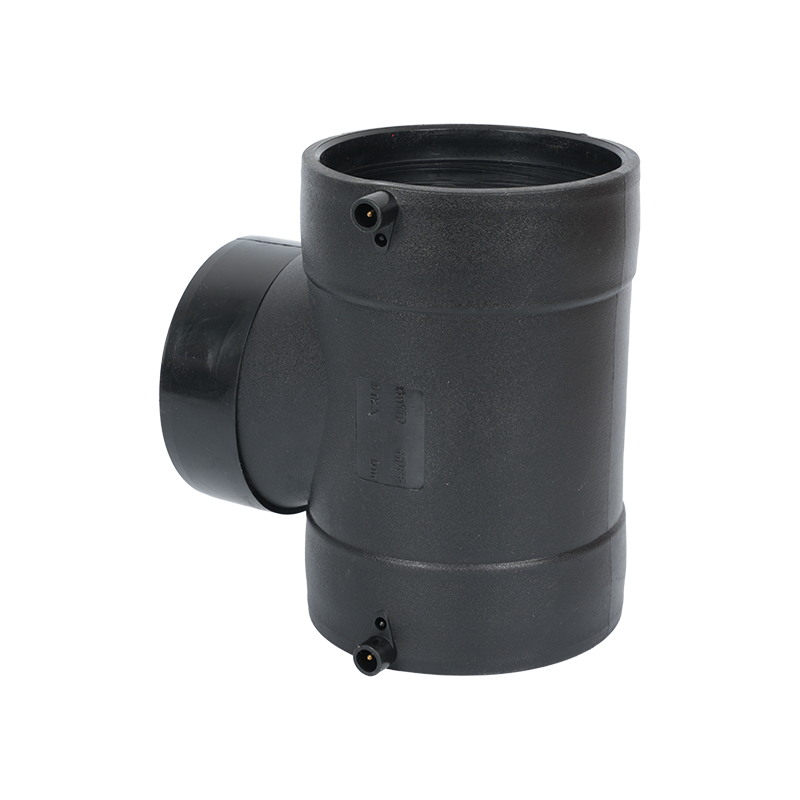
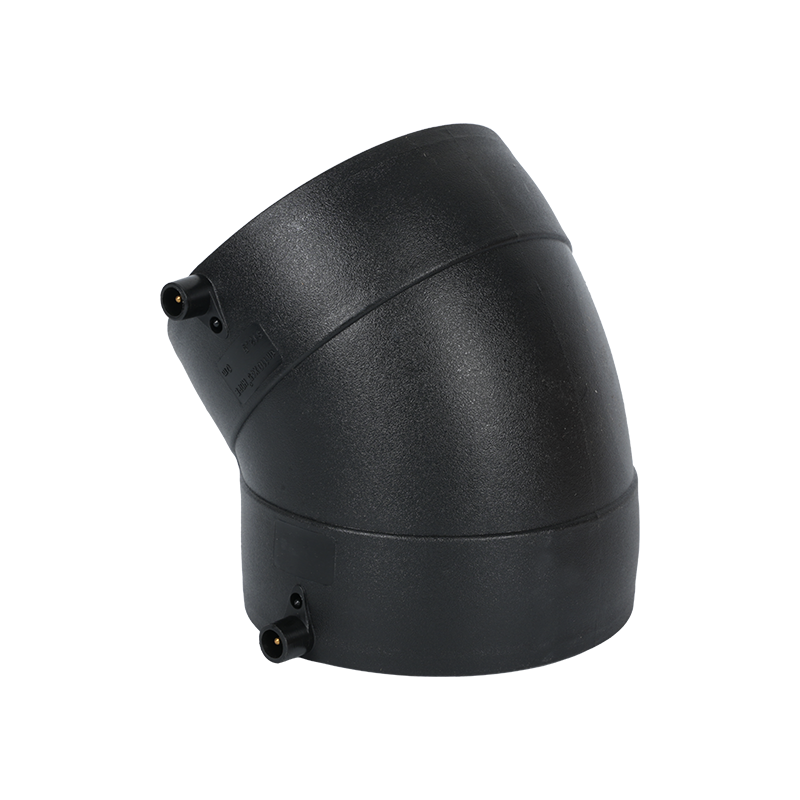
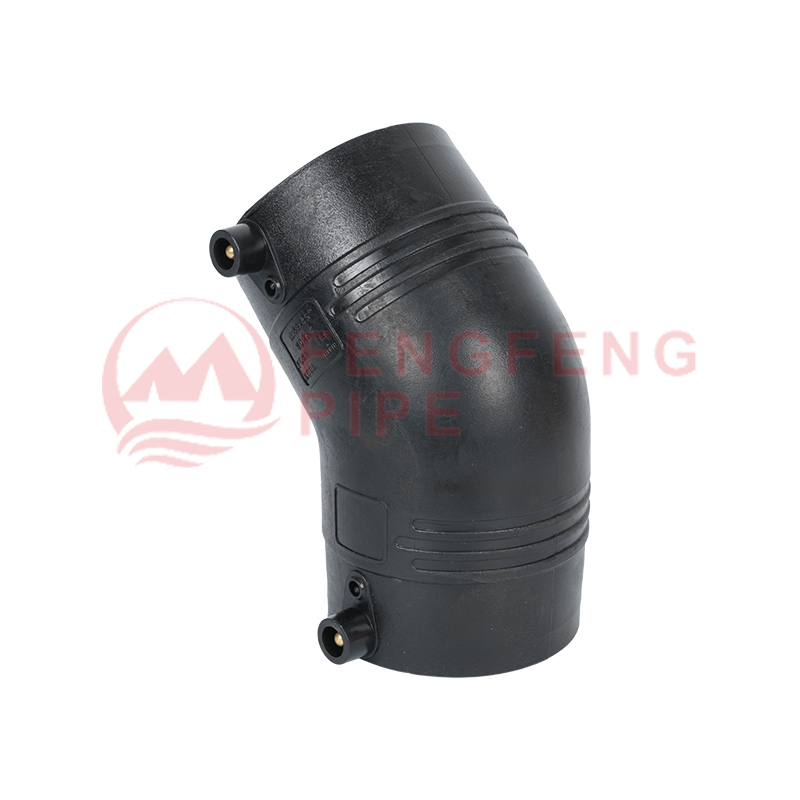
Electrofusion is a fitting-based process. The pipe end is inserted into a fitting that contains a resistance wire wound in a defined pattern. A control unit applies a programmed voltage and current for a set time. The wire heats the fitting material and the outer surface of the pipe until both melt and expand into the designed gap. The melt pressure comes from thermal expansion inside the confined fitting, not from an external hydraulic ram. The visible result is usually a fitting body with fusion indicators, a barcode label, and a control-unit record.
That is why the two methods are not interchangeable at the procurement stage. A butt fusion fitting must match the pipe outside diameter, wall thickness, and material grade, and it must suit the facing and clamping range of the machine. An electrofusion fitting must match the pipe outside diameter and SDR, and it must be compatible with the control unit and the fitting manufacturer's welding parameters. A lower purchase price means little if the fitting cannot be welded with the equipment on site or cannot produce the record the client will accept.
| Comparison point | Butt fusion fittings | Electrofusion fittings |
|---|---|---|
| Heat source | External heating plate | Resistance wire inside the fitting |
| Joint interface | Pipe end to pipe end, or pipe end to fitting end | Pipe outer surface to fitting inner surface |
| Typical size fit | Medium to large diameter, long straight runs | Small to medium diameter, repairs, tight access, transition joints |
| Working space | Needs axial room for the machine, heater, and pipe movement | Compact clamp arrangement, useful in narrow trenches |
| Power demand | Hydraulic or electric machine, sometimes a generator | Controlled electrical supply for the fusion control unit |
| Operator focus | Facing, alignment, heater temperature, changeover, pressure, cooling | Scraping, cleanliness, insertion depth, clamping, correct barcode data |
| Main inspection evidence | Bead shape, alignment, process parameters, pressure test | Control-unit record, fusion indicators, batch traceability, pressure test |
| Cost pattern | Higher equipment investment, generally lower fitting cost | Higher fitting cost, smaller and more portable equipment |
The table is a starting point, not a purchasing rule. A large-diameter electrofusion fitting can be the correct answer when the joint is in a confined shaft or when the project requires a detailed electrical welding record. A small-diameter butt fusion joint can be correct when the contractor already has the machine, the trench is open, and the fitting count is high.
How Butt Fusion Fittings Work on Site
Butt fusion depends on a controlled sequence. The pipe must be cut square, secured in the machine, and allowed to move as the fusion pressure is applied. The facing tool removes the outer layer and produces two parallel ends. The operator then checks the gap and the alignment. Any visible mismatch will become a stress concentration in the finished joint.
The heating plate is brought to the temperature specified by the welding procedure. For many PE100 procedures the plate surface is set within a defined range around 200°C to 235°C, but the approved procedure governs, not a generic number. The pipe ends are pressed against the plate to form a bead, then the plate is removed and the ends are brought together within the permitted changeover time. Pressure is applied, held, and released at the correct point in the cooling cycle. The joint must cool under restraint. Moving it early or applying load to it can disturb the melt zone even if the outside looks acceptable.
- Confirm the pipe and fitting material grade, outside diameter, SDR, and pressure rating.
- Cut the pipe square and clamp it without distorting the roundness of the end.
- Face both ends and remove all chips. Check that the faced ends meet without a visible gap.
- Align the pipe ends and check the high-low offset. Correct the machine setup before heating.
- Set the heater plate temperature and verify it with a suitable surface thermometer when the procedure requires it.
- Heat according to the procedure, remove the plate, and complete the changeover within the allowed time.
- Apply the specified fusion pressure and maintain it through the holding period.
- Allow the joint to cool under restraint before removing clamps or applying bending load.
- Inspect the bead around the full circumference and record the welding parameters.
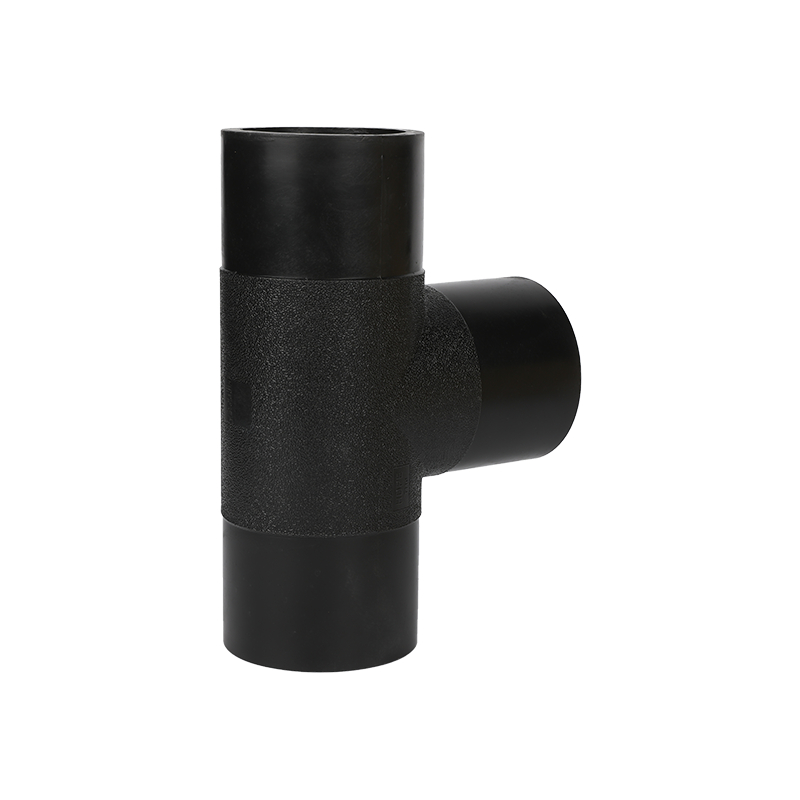
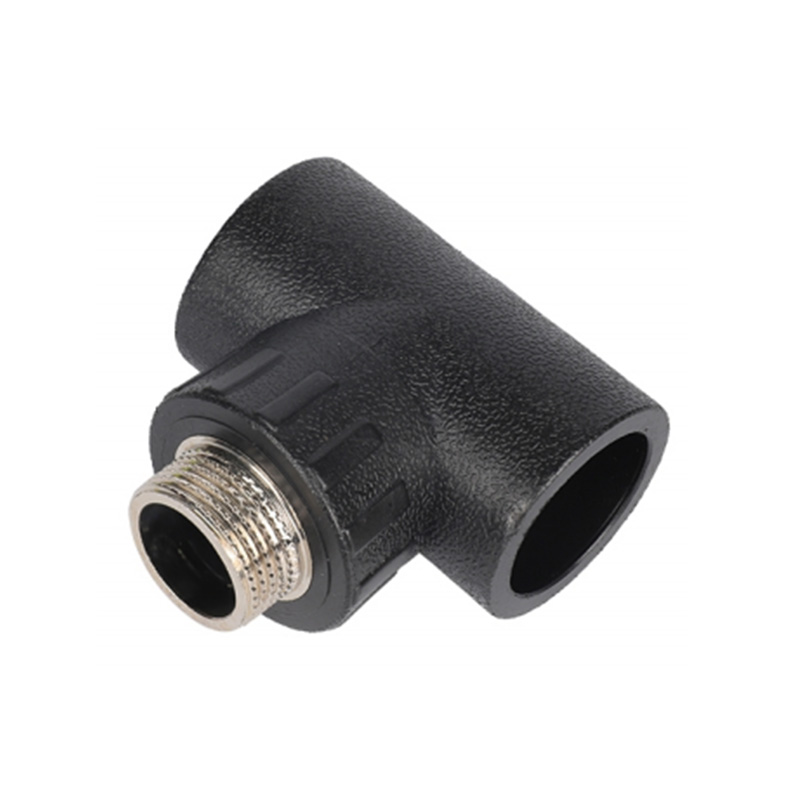
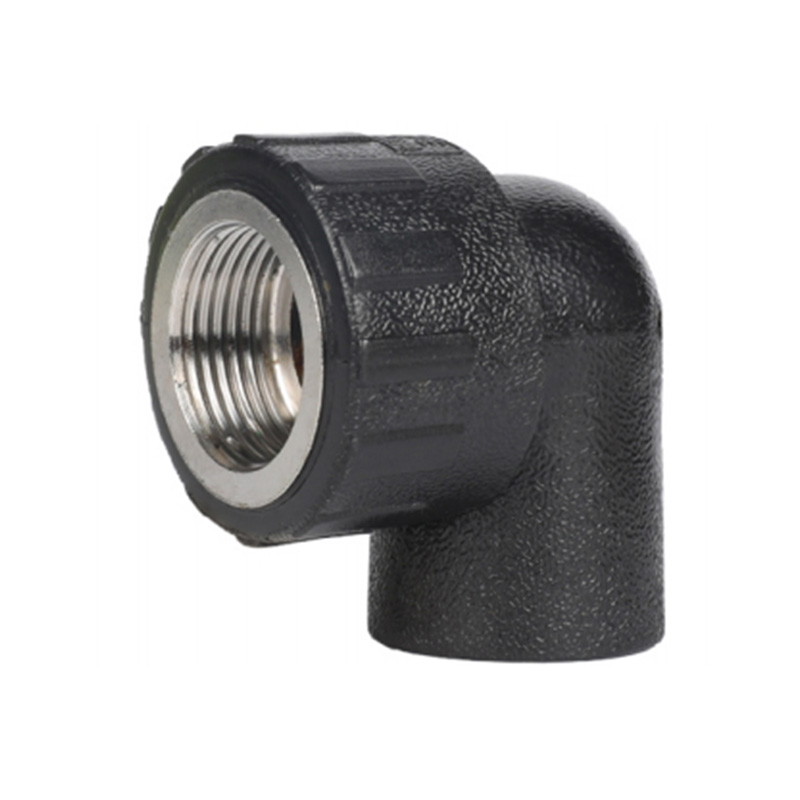
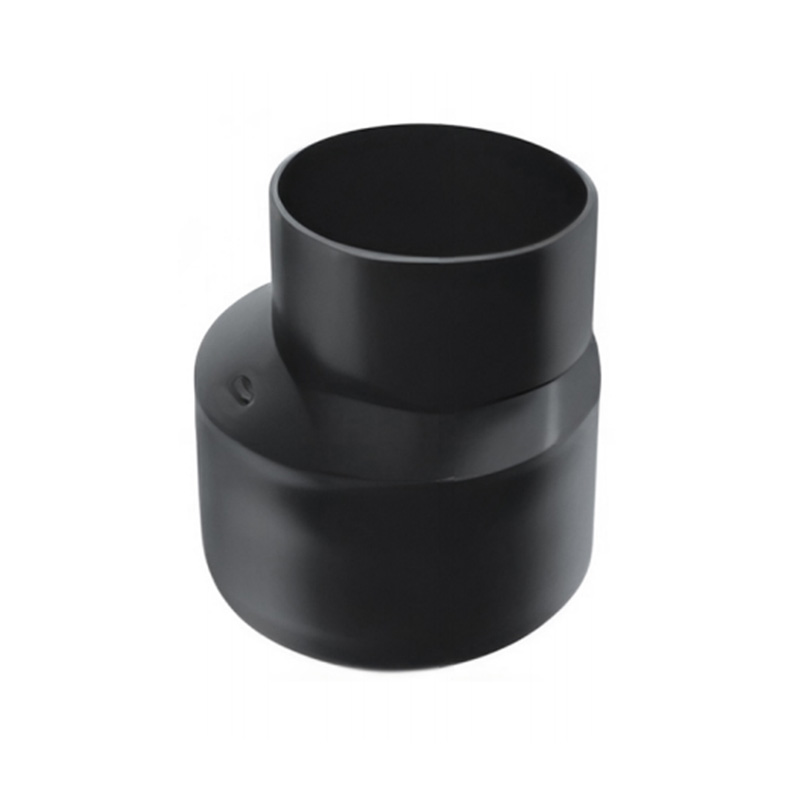
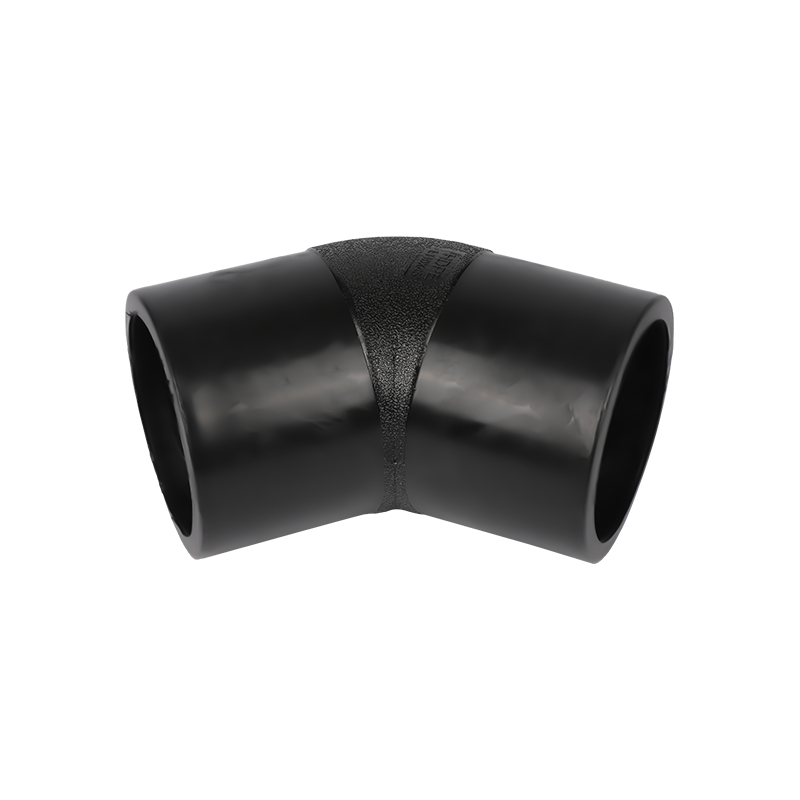 HDPE Butt Fusion Fitting SeriesBrowse this fitting category for tees, elbows, caps, reducers, stub ends and flange adaptors, where consistent dimensions and material distribution matter in fabrication and pipeline work.View Product →
For a fabrication shop or a pipeline contractor, the fitting range matters as much as the machine. Equal tees, reducing tees, 45-degree and 90-degree elbows, end caps, reducers, stub ends, and flange adaptors all need consistent wall thickness and reliable dimensional control. A fitting that is dimensionally correct but has inconsistent material distribution can create a weak point that no amount of machine pressure will correct.
Where butt fusion is usually strong
Butt fusion is efficient on straight runs, large-diameter transmission lines, and projects with repeated joints of the same size. The fittings are generally lower in cost than electrofusion equivalents, and the joint does not depend on an embedded wire or a barcode. In open country, plant rooms under construction, and pipeline yards where pipes can be handled and supported, butt fusion gives fast output once the setup is stable. It is also easier to see the finished joint. The bead is a visible process signature, although a good-looking bead alone does not prove a sound joint.
How Electrofusion Fittings Work on Site
Electrofusion shifts much of the control from the operator's hands to the fitting and control unit. The fitting contains a heating wire, a terminal, and often a barcode that carries the fusion parameters. The control unit reads the input, applies the current, monitors the cycle, and stores the result. This reduces the dependence on manual pressure control, but it increases the importance of pipe preparation.
The pipe surface must be scraped or planed to remove the oxidized layer and any contamination. The insertion depth must be marked. The pipe must be round, clean, and dry at the joint zone. The fitting is pushed onto the pipe to the marked depth, clamped to prevent movement, and connected to the control unit. After the cycle, the joint must cool without disturbance. A common mistake is to treat the fitting as a push-on part and skip the scraping step. The wire may heat correctly, but the pipe surface may not fuse uniformly, producing a joint that passes a short pressure test and later leaks under thermal cycling or soil movement.
- Select the electrofusion fitting by pipe outside diameter, SDR, material, and pressure rating.
- Check the fitting label, barcode, and batch traceability before opening the packaging.
- Cut the pipe square and remove the required surface layer with a suitable scraper or planer.
- Mark the insertion depth and keep the scraped surface clean and dry.
- Insert the pipe fully, fit the clamps, and confirm that the pipe cannot move during fusion.
- Connect the leads, scan or enter the correct parameters, and start the cycle.
- Observe the control unit and the fusion indicators; do not interrupt the cycle without a documented reason.
- Allow the specified cooling time before removing clamps or applying load.
- Record the joint number, fitting batch, control-unit data, operator, and weather conditions.
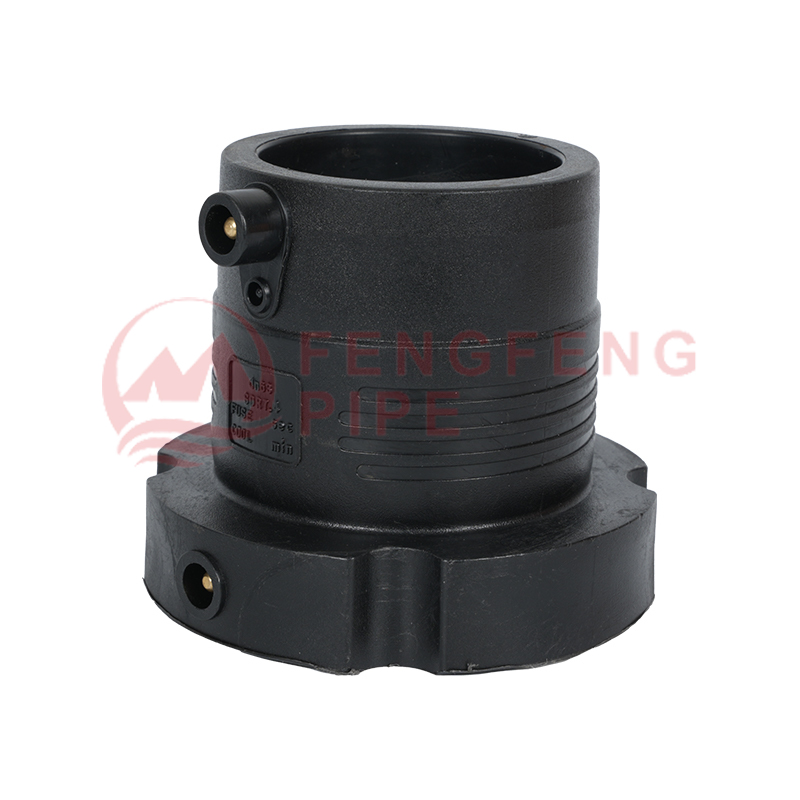
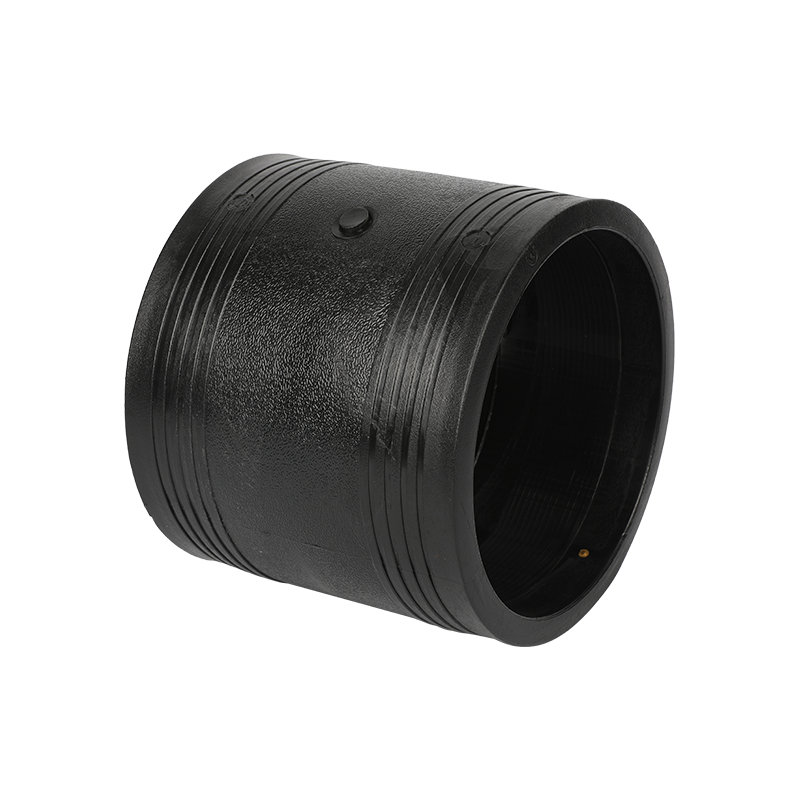 HDPE Electrofusion Equal Coupler for Pipe JoiningUse this corrosion-resistant equal coupler for HDPE pipe joints where space limits butt fusion; electrofusion gives a sealed connection and supports SDR11/SDR17 sizes.View Product →
Electrofusion is particularly useful where the pipe cannot be rotated or pulled axially. A repair in a crowded service trench, a connection in a valve chamber, or a transition to a steel or threaded component may leave no room for a butt fusion machine. The fitting also gives the project a digital record of the welding cycle, which is valuable when the joint will be buried and cannot be visually inspected later.
Where electrofusion is usually strong
Small-diameter distribution mains, gas service connections, tight trench work, and repair sections are common electrofusion applications. The method is also useful when the pipe material or fitting design requires a controlled heat profile that is difficult to reproduce with a heating plate. On projects with many different fitting types but modest joint counts, the ability to use one compact control unit across couplers, elbows, tees, reducers, and tapping saddles can simplify equipment planning.
Pipe Size, SDR and Pressure: Where Each Method Fits
Both methods can produce fully rated joints in PE100 and PE-RT II systems when the correct procedure is used. Pressure capacity is not decided by the word “butt” or “electrofusion.” It is decided by the pipe SDR, the material grade, the fitting design, the melt quality, and the installation standard. A joint that is geometrically correct but thermally damaged has no reliable pressure rating, regardless of the method on the label.
Butt fusion is commonly selected from around 63 mm upward, with the economic and practical sweet spot often in medium and large diameters. As diameter increases, the machine becomes larger, the heating and cooling times lengthen, and the excavation or support arrangement must accommodate the equipment. The fitting cost advantage usually becomes more visible on large tees, reducers, and specials, where an electrofusion equivalent may be substantially more expensive.
Electrofusion covers a wide range, from small service sizes to large fittings, but the practical case is often strongest at smaller diameters, in tight access, and in repair work. The fitting cost per joint is generally higher because the resistance wire, terminals, molded body, and traceability label are built into the product. That higher unit cost can be offset by lower excavation cost, less pipe movement, fewer machine setups, and a more detailed welding record.
Butt fusion planning focus
Allow axial space for the machine and heater. Confirm that the pipe can be supported and moved slightly during the fusion cycle. Plan the cooling area so the joint is not disturbed by traffic, trench boxes, or the next pipe section. For large diameters, check lifting capacity and the time needed for each heating and cooling cycle.
Electrofusion planning focus
Confirm that the pipe surface can be scraped around the full circumference. Check that the control unit, leads, and power supply are compatible with the fitting. Plan clamping so the pipe cannot move during the cycle. Protect the joint from water, mud, and wind before and after fusion, and keep the barcode and welding record linked to the joint location.
A common procurement error is to compare fitting prices without comparing the installed joint. The correct comparison includes equipment mobilization, trench width, pipe handling, labor time, cooling time, rework risk, testing, and documentation. On a short repair, a higher-cost electrofusion fitting may be the cheaper installed joint because it avoids a large machine and a wide excavation. On a long transmission main, a lower-cost butt fusion fitting may be the cheaper installed joint because the machine is already on site and the joint count is high.
Equipment, Power and Site Access
Butt fusion equipment is mechanical and hydraulic as well as electrical. A typical set includes the machine frame, clamps, facing tool, heating plate, hydraulic pump or control system, and lifting equipment for larger sizes. The machine must be stable and aligned with the pipe. The heating plate must be clean and at the correct surface temperature. The hydraulic pressure must be calibrated or verified according to the maintenance schedule.
Electrofusion equipment is compact but power-sensitive. The control unit applies a defined current, and voltage drop, poor connections, damaged leads, or an unstable generator can affect the cycle. The unit may reject the input or abort the weld if the parameters are outside the permitted range. That protection is useful, but it also means the site team must plan the power supply and keep the leads and terminals in good condition.
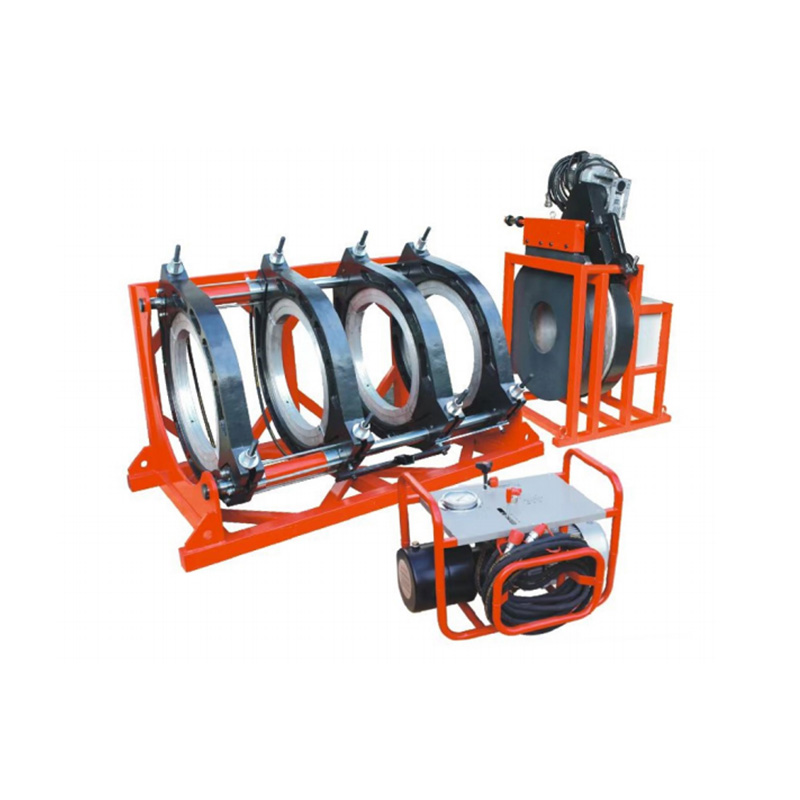 Butt Fusion Welding Machine for PE, PP and PVCAutomated butt fusion machine with induction heating and temperature control, presented for PE, PP and PVC welding where straight site access is available.View Product →
Site access often decides the method before the cost comparison begins. Butt fusion needs a straight approach and enough room to insert the heating plate and move the pipe ends together. In a narrow trench with shoring, existing services, or a nearby wall, that space may not exist. Electrofusion needs less axial room but needs enough access to scrape the pipe, fit the clamp, and connect the leads. A joint that is difficult to prepare is a quality risk, not a saving.
Skill, Training and Human Error
Butt fusion rewards consistency. The operator must judge the bead, the alignment, the heater condition, and the changeover timing. A machine can control pressure and time, but it cannot see a contaminated heater plate, a pipe that has crept out of the clamp, or a fitting that has been faced at an angle. Training should include fault recognition, not only the start-up sequence. A team that can produce a good bead on a test piece but cannot explain why a cold joint forms is not fully trained.
Electrofusion rewards preparation discipline. The control unit manages the heating cycle, so the largest risks sit before the button is pressed: incomplete scraping, moisture, dust, incorrect insertion depth, wrong fitting selection, a pipe that moves during fusion, or a control unit connected to the wrong fitting data. The operator must be able to read the label, confirm the pipe size and SDR, and recognize when the site conditions are outside the permitted range.
- Butt fusion error pattern: misalignment, insufficient heating, excessive pressure, late changeover, contaminated plate, premature removal of clamps.
- Electrofusion error pattern: un scraped pipe, oily or wet surface, partial insertion, wrong barcode or parameter set, unstable power supply, movement during cooling.
- Shared error pattern: mixing material grades, using a fitting outside its pressure class, welding in rain or wind without protection, and failing to record the joint.
Both methods need a trial or qualification joint when the project, material, or procedure is new. A trial joint is not a ceremonial sample. It should be made with the same pipe, fitting, machine, and site conditions as the production work, then inspected or tested according to the project specification. If the trial fails, the production procedure should stop until the cause is corrected.
Weather, Contamination and Joint Protection
Polyethylene does not like contamination in the melt zone. Dust, sand, oil, water, and cutting chips can all interfere with fusion. Butt fusion has an advantage because the facing tool removes the outer surface immediately before heating, but the faced ends can still be contaminated by wind or handling. The heater plate itself must be clean. A plate with burnt residue can transfer a surface defect to every joint made that day.
Electrofusion exposes a larger prepared surface before the fitting is installed. The scraped pipe must remain clean and dry. In wet trenches, the joint zone needs a shelter or a controlled enclosure. In cold weather, the pipe and fitting may need additional protection or preheating according to the approved procedure. In hot weather, direct sunlight can soften the pipe and make roundness control more difficult. The control unit may compensate for some conditions, but it does not remove mud from a scraped surface.
Wind is a practical problem for both methods. It cools the heater plate, blows dust onto prepared surfaces, and can affect the changeover time in butt fusion. Rain is a direct risk to electrical equipment and to the joint interface. A small shelter is not an unnecessary luxury; it is part of the quality system. The same applies to traffic vibration, nearby excavation, and pump vibration. A joint that is mechanically disturbed during cooling may look acceptable and still contain a partially fused interface.
Time, Cost and Whole-Joint Economics
On a single joint, butt fusion and electrofusion can look similar in labor time until the support work is counted. Butt fusion requires machine setup, facing, heating, changeover, pressure holding, and cooling. Large-diameter joints can occupy a crew for a significant part of the day because the heating and cooling cycles cannot be shortened safely. Electrofusion requires careful scraping, clamping, and a controlled cycle, followed by cooling. The fitting is usually quicker to position, but the preparation cannot be rushed.
The cost comparison should separate equipment, consumables, labor, excavation, and risk. A butt fusion machine is a larger capital item, but the fittings are often less expensive and the process is economical on repeated joints. An electrofusion control unit is more portable, but the fittings cost more. The electrofusion method may reduce excavation width, avoid pipe rotation, and provide a digital record that lowers inspection and documentation effort. Those benefits can outweigh the fitting price on repair and confined-space work.
| Cost element | Butt fusion | Electrofusion |
|---|---|---|
| Main equipment | Higher capital cost, size-dependent | Lower entry cost for small control units |
| Fitting cost | Generally lower for comparable specials | Generally higher due to embedded wire and electronics |
| Excavation and access | Needs axial room and pipe support | Compact clamp arrangement can reduce excavation |
| Labor profile | Setup-heavy, efficient on repeated joints | Preparation-heavy, efficient on repairs and mixed fittings |
| Rework risk | Visible bead helps screening, but misalignment can be hidden | Digital record helps traceability, but preparation errors may not show immediately |
| Documentation | Manual records and inspection depend on site discipline | Control-unit data can be exported and linked to joint numbers |
A low fitting price is not a low joint cost if it requires a larger excavation, a second machine move, or a repeat weld. A high fitting price is not a high joint cost if it eliminates a confined-space hazard or avoids shutting down a line for an extended period. The purchasing decision should be based on the installed joint, not the unit price alone.
Inspection and Quality Records
Butt fusion inspection starts with the bead. The bead should be continuous, symmetrical, and free from signs of contamination or overheating. The joint should be aligned, and the pipe should not show visible deformation outside the intended fusion zone. The welding record should include the machine identification, pipe size and SDR, heater temperature, pressures, times, operator, and ambient conditions. A pressure test is still required where the system design calls for it. The bead is evidence, not a replacement for testing.
Electrofusion inspection relies on the control-unit record, the fusion indicators, and the traceability of the fitting. The record should identify the fitting batch, the pipe size and SDR, the welding program, the actual current and voltage profile, the cycle result, and the operator. The joint location should be marked so that the record can be linked to the buried asset. If the control unit aborts a cycle, the joint should not be re-welded without the fitting manufacturer's instruction. A second cycle on the same fitting can overheat the material and damage the wire.
- Record the joint number before welding, not after backfilling.
- Keep the pipe and fitting labels with the project quality file when traceability is required.
- Photograph the prepared pipe end and the completed bead or fitting where the specification allows.
- Record the weather, shelter condition, and any deviation from the approved procedure.
- Do not cover a joint until the required cooling time has passed and the inspection is complete.
Common Defects and What They Tell You
Most fusion defects are process defects, not material defects. That is good news because they can be prevented with better preparation and training. It is also a warning: a supplier cannot inspect a joint into quality after it has been buried. The table below links common symptoms to likely causes and practical prevention measures.
| Defect or symptom | Likely cause | Prevention |
|---|---|---|
| Cold joint or weak fusion | Low heater temperature, short heating time, late changeover, contaminated surface | Verify plate temperature, follow the procedure, protect the joint, face immediately before heating |
| Uneven or excessive bead | Misalignment, incorrect pressure, inconsistent heating | Check high-low offset, calibrate the machine, use the correct pressure and heating cycle |
| Electrofusion cycle abort | Voltage drop, poor lead connection, wrong fitting data, unstable generator | Use a suitable power supply, check leads, scan the correct barcode, protect the control unit |
| Leak at the fitting edge | Incomplete scraping, moisture, short insertion, pipe movement | Scrape fully, keep the surface dry, mark insertion depth, clamp firmly, allow cooling |
| Pipe end cracked or distorted | Excessive clamping force, poor pipe roundness, rough handling | Use correct clamps, re-round the pipe if permitted, handle and support the pipe properly |
| Fusion indicator not raised | Insufficient melt expansion, wrong fitting, power issue | Stop and investigate, do not re-weld without instruction, confirm fitting and control-unit compatibility |
A defect found on a test joint is useful information. A defect found after backfilling is a repair, a shutdown, and a cost. The difference is usually the quality of the preparation and the honesty of the welding record.
A Practical Selection Process
Use a short decision sequence to avoid choosing a method by habit. The first question is not “which fitting is cheaper?” It is “which joint can be made correctly, inspected properly, and maintained safely at this location?”
- Define the pipe system. Confirm material grade, outside diameter, SDR, design pressure, operating temperature, and the applicable standard.
- Survey the joint location. Measure the available axial space, trench width, lifting access, and distance from walls, shoring, and other services.
- Check the power supply. Confirm whether the site can support the chosen machine or control unit, including generator stability and lead length.
- Assess operator competence. Match the method to the team's training and verified experience, not to a general description of the product.
- Decide the inspection record. If the project requires digital welding data, electrofusion may be easier to document. If the project relies on visual bead inspection and pressure testing, butt fusion may fit the quality plan.
- Compare the installed cost. Include equipment movement, excavation, labor, cooling time, testing, and rework risk.
- Confirm fitting availability and compatibility. Check the exact fitting dimensions, pressure rating, material, and welding procedure against the pipe and machine.
- Make and inspect a trial joint. Use the production materials and conditions. Proceed only when the trial meets the specification.
In many projects, the answer is a mix of both methods. Butt fusion may handle the main line and large specials, while electrofusion handles service connections, repairs, transitions, and confined locations. A procurement plan that treats the two methods as competing products may miss the more economical combination: the right method at each joint.
Procurement Checklist for Fusion Fittings
The fitting is only one part of the joint, but it is the part that carries the traceability. When requesting quotations, give the supplier the pipe material, outside diameter, SDR, pressure rating, fitting type, quantity, and the welding method. Ask for the dimensional drawing, material grade, pressure class, and packing details. For electrofusion fittings, ask for the welding parameters, control-unit compatibility, barcode format, and batch identification. For butt fusion fittings, ask for the wall thickness, facing allowance, and dimensional tolerances.
- Confirm that the fitting material is compatible with the pipe grade and the intended service.
- Check the pressure rating against the pipe SDR and the design conditions.
- Ask for dimensional inspection records and batch traceability.
- Confirm that the fitting can be welded with the machine or control unit available on site.
- Review the storage requirements, packaging, and protection against UV and contamination.
- Agree on the inspection documents, test certificates, and delivery schedule before production.
- Request a trial order or sample joint evaluation for a new supplier or a new material grade.
Our manufacturing background covers both butt fusion and electrofusion fitting families, together with PE-RT II piping, valves, and welding machines. Production has been based in Zhuji, Zhejiang since 2002, with ISO 9001 and ISO 14001 management systems and product quality backed by PICC insurance. You can review the company and manufacturing background before matching a fitting range to a project. For installation context on electrofusion preparation, see this practical electrofusion fitting guide.
The most useful supplier conversation is specific. Give the pipe size, SDR, fitting type, welding method, and site constraint. A supplier who understands both methods can tell you where a standard fitting is sufficient and where a different design or a different jointing method is the safer choice. That conversation is more valuable than a catalogue page with a single price column.
Frequently Asked Questions
Is electrofusion stronger than butt fusion?
Neither method is automatically stronger. A correctly made joint in either method can achieve the required pressure rating for the pipe and fitting system. The real difference is the failure mode and the inspection evidence. Butt fusion depends on alignment, heating, changeover, and pressure control. Electrofusion depends on surface preparation, insertion, clamping, and the correct electrical cycle. A poorly made joint in either method can fail, and a well-made joint in either method can perform for the design life of the pipeline.
Can electrofusion be used on large-diameter pipes?
Yes, electrofusion fittings are available for large diameters, but the equipment, fitting cost, and handling requirements increase. Large electrofusion fittings need stable power, careful clamping, and sufficient cooling time. Butt fusion is often more economical for large-diameter straight runs and large specials, while electrofusion may be chosen for confined locations or where a digital welding record is required. The decision should be based on the installed joint, not on a general size rule.
Which method is cheaper for a small repair?
For a small repair in a tight trench, electrofusion is often the lower installed cost because it avoids a large butt fusion machine, reduces excavation width, and does not require the pipe to be moved axially. The fitting itself may cost more, but the total cost can be lower when labor, excavation, and reinstatement are included. For a long run of repeated joints, butt fusion often has the lower cost per joint because the equipment is already mobilized and the fitting cost is generally lower.
Do I need a generator for electrofusion?
Not always, but the power supply must be suitable for the control unit and the welding program. A stable mains supply is convenient. On remote sites, a generator may be needed, and its output must be stable enough for the control unit. Long extension leads, poor connections, and voltage drop can cause the unit to abort the cycle. Check the control-unit requirements and test the supply before production welding begins.
Can butt fusion be used for gas pipes?
Butt fusion is used in gas distribution where the material, fitting, procedure, and operator qualification meet the applicable gas standard. The method is not automatically accepted for every gas project. The project specification may require electrofusion for certain sizes, services, or repair conditions. The safe approach is to confirm the approved jointing method, the material grade, and the qualification requirements before purchasing fittings or mobilizing equipment.
How long should a fusion joint cool before backfilling?
The cooling time depends on the pipe diameter, wall thickness, material, fitting design, and ambient conditions. The approved welding procedure or fitting manufacturer's instructions should give the required time. Backfilling early is a common cause of hidden damage because the joint may look set while the inner melt zone is still soft. Keep the joint restrained and free from load until the specified cooling period has passed.
Why do electrofusion fittings have barcodes?
The barcode carries the welding parameters for that fitting type and size. The control unit reads the data and applies the correct cycle, reducing the risk of manual parameter errors. The barcode also supports traceability when it is linked to the joint record. If the barcode is damaged or unreadable, do not guess the parameters. Use the manufacturer's approved method for entering the data or replace the fitting according to the project procedure.
What should I do if the pipe is wet or dirty?
Stop and correct the condition before welding. For butt fusion, protect the faced ends and the heater plate from water and contamination. For electrofusion, dry the joint zone, remove mud and oil, and re-scrape if the prepared surface has been contaminated. A control unit cannot compensate for a wet or dirty interface. If the weather is unsuitable, build a shelter or postpone the joint rather than accepting a hidden defect.
Can I mix butt fusion fittings and electrofusion fittings in one pipeline?
Yes, a pipeline can use both jointing methods, provided each joint is made with the correct fitting, procedure, and equipment for its location. The design should account for the transition details, pressure rating, and inspection requirements. Mixing methods is common on projects where the main line is butt fused and the service connections or repairs are electrofused. The important point is that each joint is treated as a controlled process, not as an interchangeable connection.
KEEP IN TOUCH

About Us
Zhejiang Fengfeng Pipe Industry Co., Ltd. uses efficient single screw injection molding machines for high productivity and low energy use.
Products link
Contact
-

+86-19858193396
+86-13735359894 -

+86-0574-63555288
-

-

No. 21, Market Road, Diankou Town, Zhuji City, Shaoxing City, Zhejiang Province, China