


 English
 中文简体
中文简体 русский
Industry news
 Home / News / Industry news / Socket Fusion vs. Butt Fusion: A Comprehensive Guide to HDPE Piping Joint Selection
 Socket Fusion vs. Butt Fusion: A Comprehensive Guide to HDPE Piping Joint Selection
 2026.01.19
 Industry news
In HDPE (High-Density Polyethylene) piping systems, selecting the appropriate jointing method is critical for ensuring a service life exceeding 50 years. Socket Fusion and Butt Fusion are the two most utilized thermal heat fusion technologies worldwide. While both processes involve heating the material to a molten state to create a molecular bond, they differ significantly in application range, equipment requirements, and joint geometry.
Socket Fusion: The Solution for Small Diameter Systems
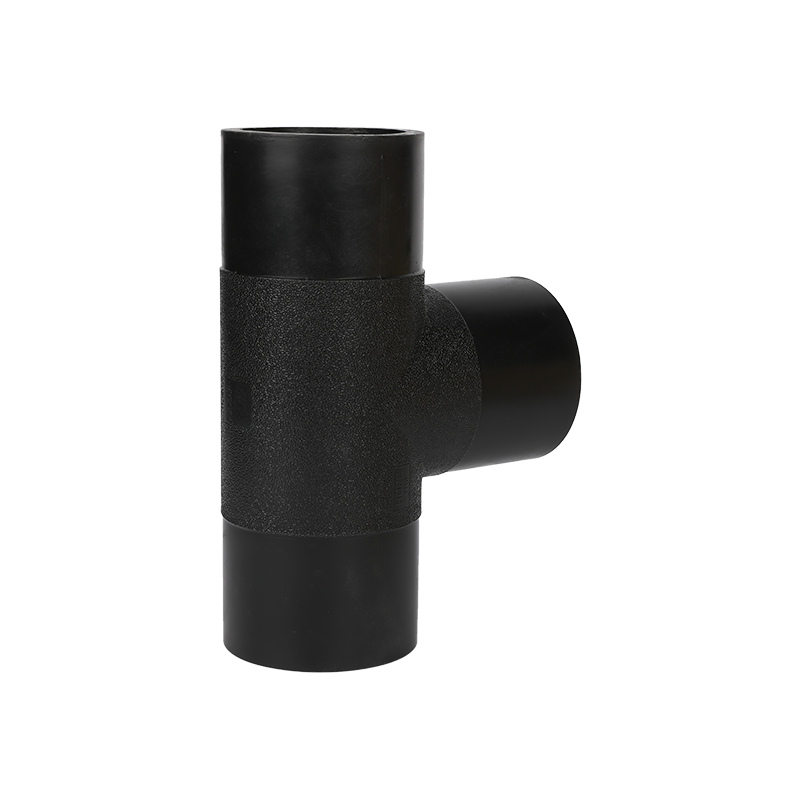
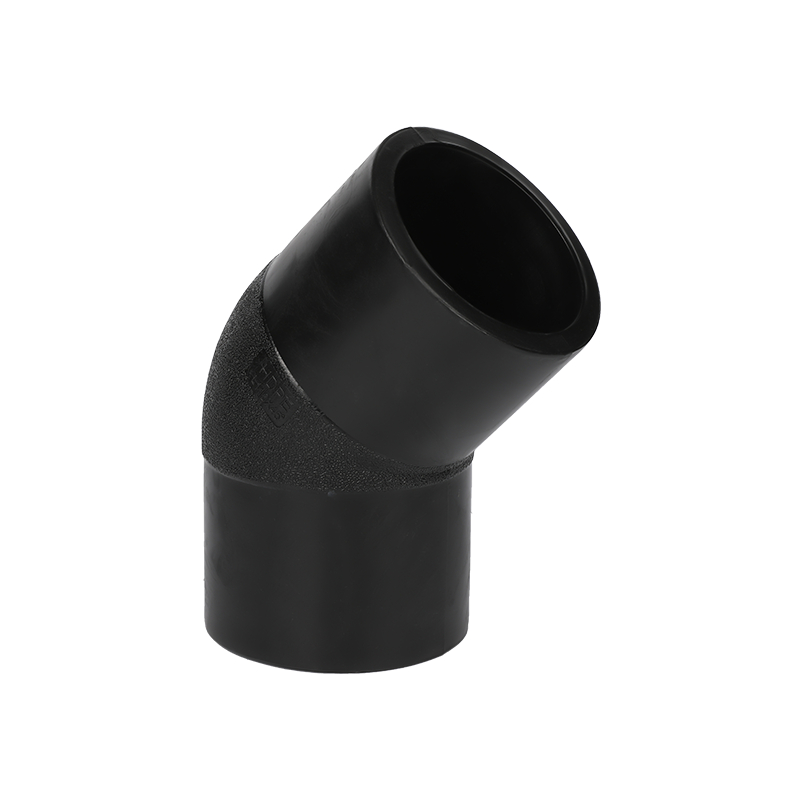
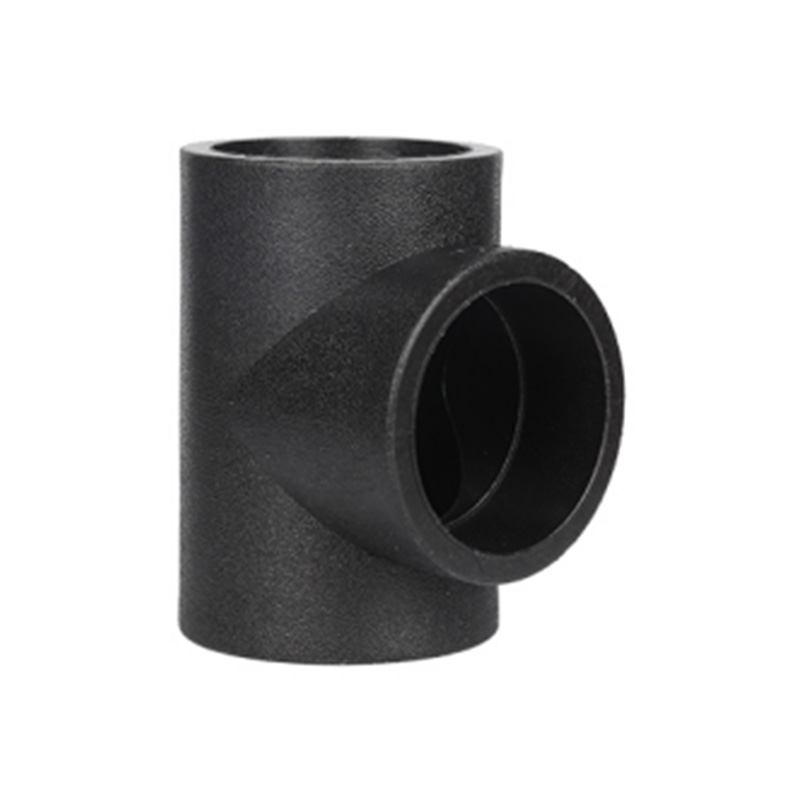
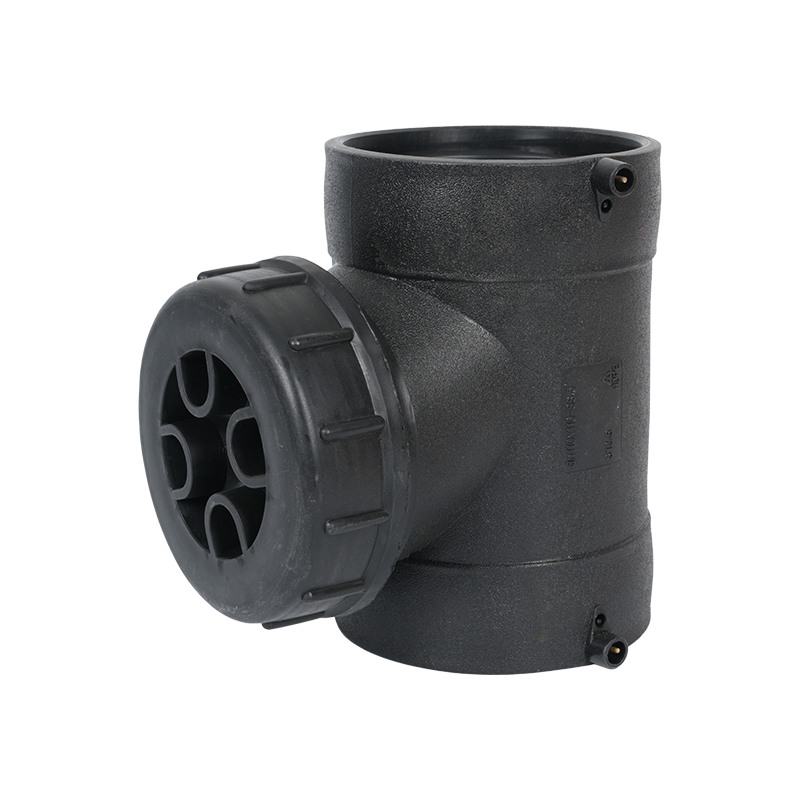
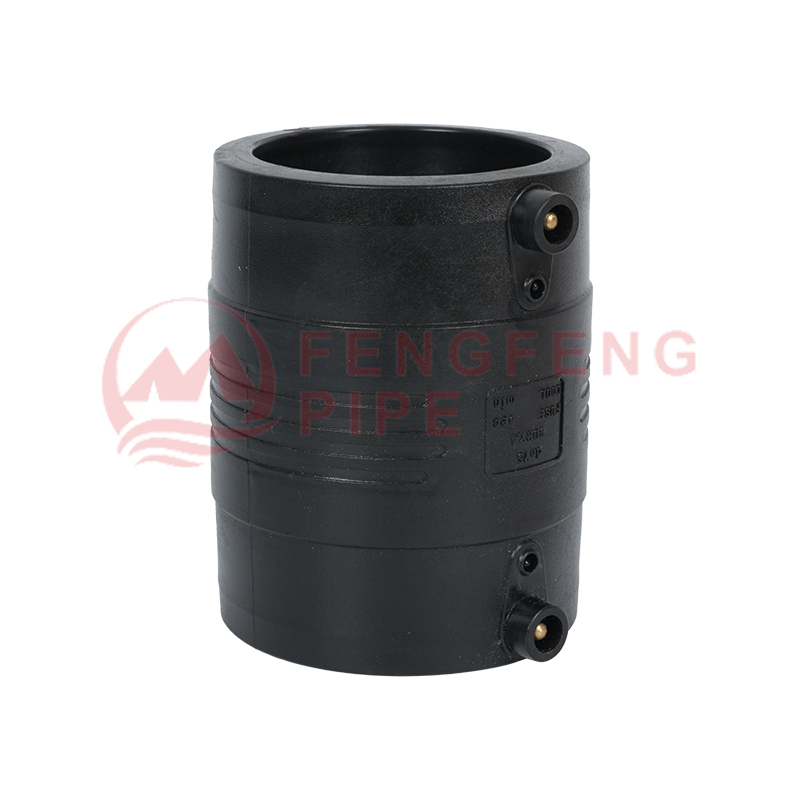
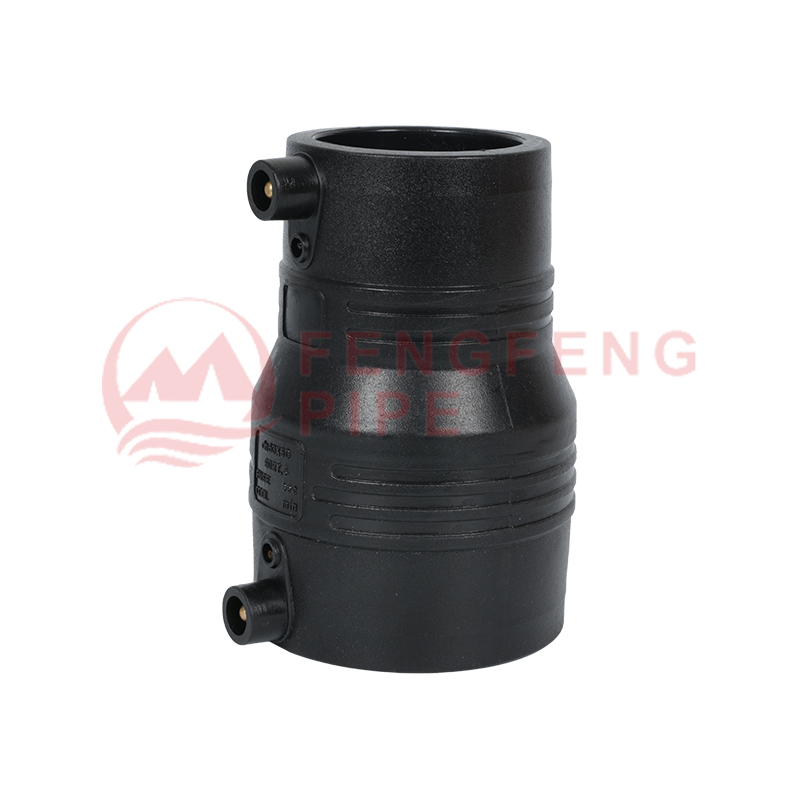
Socket Fusion is primarily used for HDPE pipes with diameters ranging from 20mm to 110mm. This method relies on the use of specialized Socket Fusion Fittings, such as elbows, tees, and couplings, which act as the female receptor for the pipe end.
The Technical Process: A Socket Welder equipped with male and female heating adapters is used to simultaneously heat the external surface of the pipe and the internal surface of the fitting. Once the material reaches the optimal melt state, the pipe is inserted into the fitting.
Technical Advantages: The overlapping bond area provides high resistance to pull-out forces and shear stress. The equipment is highly portable, making it the preferred choice for confined spaces like mechanical rooms, indoor plumbing, or narrow trench installations.
Butt Fusion: The Standard for Mainline Infrastructure
For larger HDPE diameters, typically from 110mm up to 2000mm, Butt Fusion is the industry standard. This process involves the direct end-to-end fusion of two pipes or a pipe to a fitting without the need for a transitional socket.
The Technical Process: The operation requires a Butt Fusion Machine to perform four critical steps: Facing (planing the ends), Alignment, Heating, and Fusion & Cooling. The ends are pressed against a heater plate and then fused together under controlled pressure.
Technical Advantages: The resulting Double Bead is a visual indicator of a successful weld. This method maintains a consistent internal diameter, preventing the flow restriction or Pressure Drop that can occur with improper socket insertion. It is also more cost-effective for large-scale projects as it eliminates the cost of expensive large-diameter couplings.
Comparative Analysis: Key Engineering Differences
When specifying a connection method, engineers must evaluate SDR (Standard Dimension Ratio) compatibility and structural requirements:
| Feature | Socket Fusion | Butt Fusion |
| Pipe Range | Typically 20mm - 110mm | Typically 110mm - 2000mm |
| Fittings Requirement | Requires Socket Fittings | No coupling needed for straight runs |
| SDR Compatibility | Flexible across different wall thicknesses | Pipe ends must have the same SDR |
| Space Requirement | Minimal; handheld operation | Significant; requires machine footprint |
| Joint Geometry | External reinforcement via fitting | Flush profile with internal/external beads |
Critical Parameters: Temperature and Pressure Control
Both methods require precise Temperature management, usually between 200°C and 230°C. However, the failure modes differ:
In Socket Fusion, the "Switch-over time" is the most critical variable. If the delay between removing the heater and joining the components is too long, a Cold Joint will form, leading to potential leaks under high pressure.
In Butt Fusion, the Interfacial Pressure during the cooling phase is paramount. Reducing pressure prematurely or cooling with water can induce internal stresses and voids, compromising the Long-Term Hydrostatic Strength (LTHS) of the HDPE system.
Quality Assurance and Standards
Professional installations must adhere to international benchmarks. Socket Fusion procedures are governed by ASTM D2657, while Butt Fusion must comply with ASTM F2620 or ISO 21307. Field testing, such as the Bent Strap Test, is recommended to validate the integrity of the fusion parameters before the system is pressurized.
KEEP IN TOUCH

About Us
Zhejiang Fengfeng Pipe Industry Co., Ltd. uses efficient single screw injection molding machines for high productivity and low energy use.
Products link
Contact
-

+86-19858193396
+86-13735359894 -

+86-0574-63555288
-

-

No. 21, Market Road, Diankou Town, Zhuji City, Shaoxing City, Zhejiang Province, China