


 English
 中文简体
中文简体 русский
Industry news
 Home / News / Industry news / What are the differences in welding processes between equal-diameter elbows and reducing elbows
 What are the differences in welding processes between equal-diameter elbows and reducing elbows
 2026.01.12
 Industry news
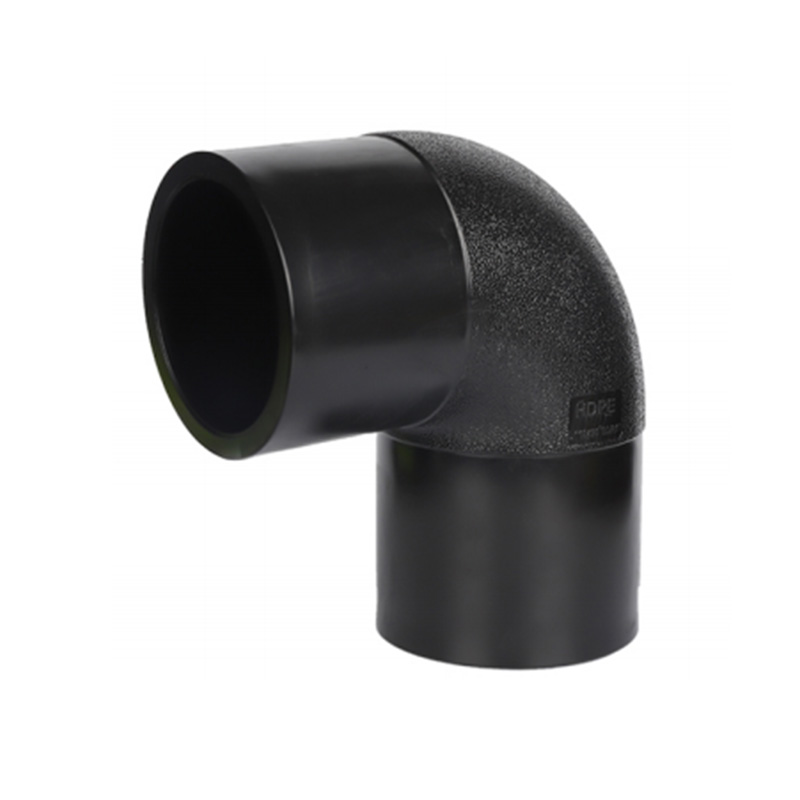
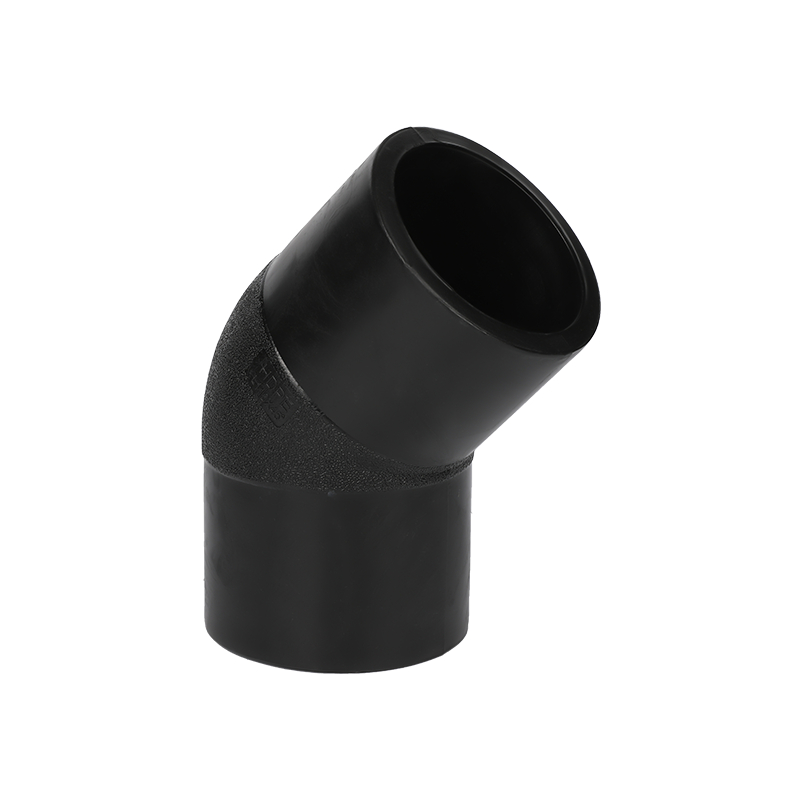
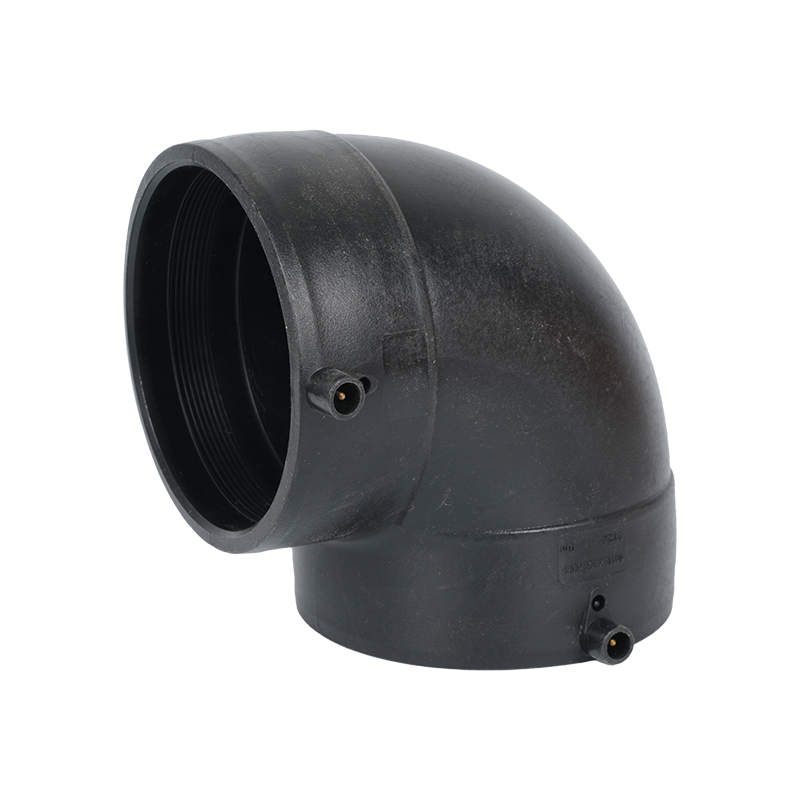
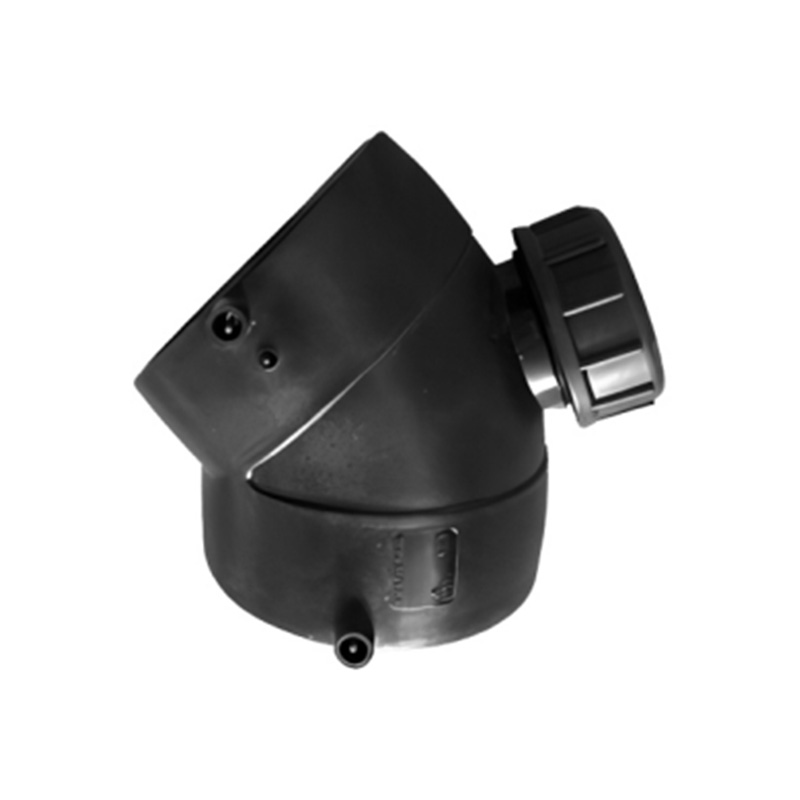
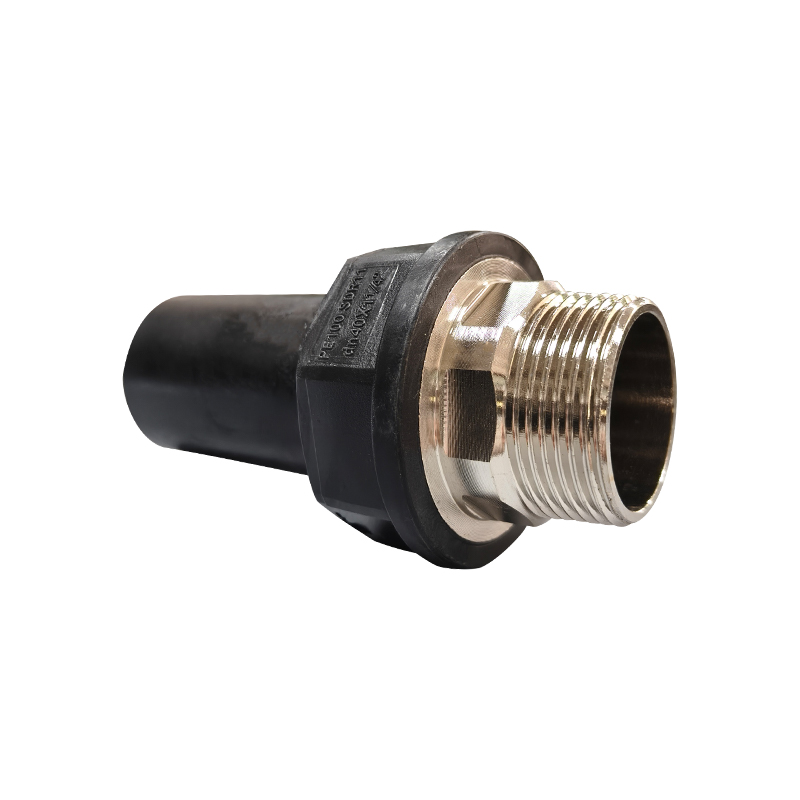
High-density polyethylene (HDPE) pipelines are widely applied in water supply, drainage, gas distribution, and industrial piping systems. Elbows are essential fittings in pipeline networks and are mainly classified as equal elbows and reducing elbows. Their welding techniques differ significantly. Understanding these differences helps construction teams select the correct procedure and ensure long-term pipeline safety and reliability.
Welding Techniques for Equal Elbows
Welding an equal elbow uses the standard butt fusion welding process, as both pipe ends have the same diameter. Parameters such as heating temperature, fusion pressure, and heating time can be applied according to standard guidelines. Key steps include:
- Preparation of the welding surface: Cutting, beveling, and cleaning to remove burrs, oil, or moisture.
- Alignment and clamping: Using welding jigs to secure the elbow and straight pipe, ensuring proper axis and angle alignment.
- Heating and melting: Maintaining a stable temperature to fully melt the joint surfaces.
- Applying fusion pressure: Evenly pressing the melted surfaces to form a continuous weld bead.
- Cooling and solidification: Allowing the weld to cool under constant pressure until it reaches the required strength.
Equal elbow welding is straightforward, highly standardized, and weld quality is easier to control.
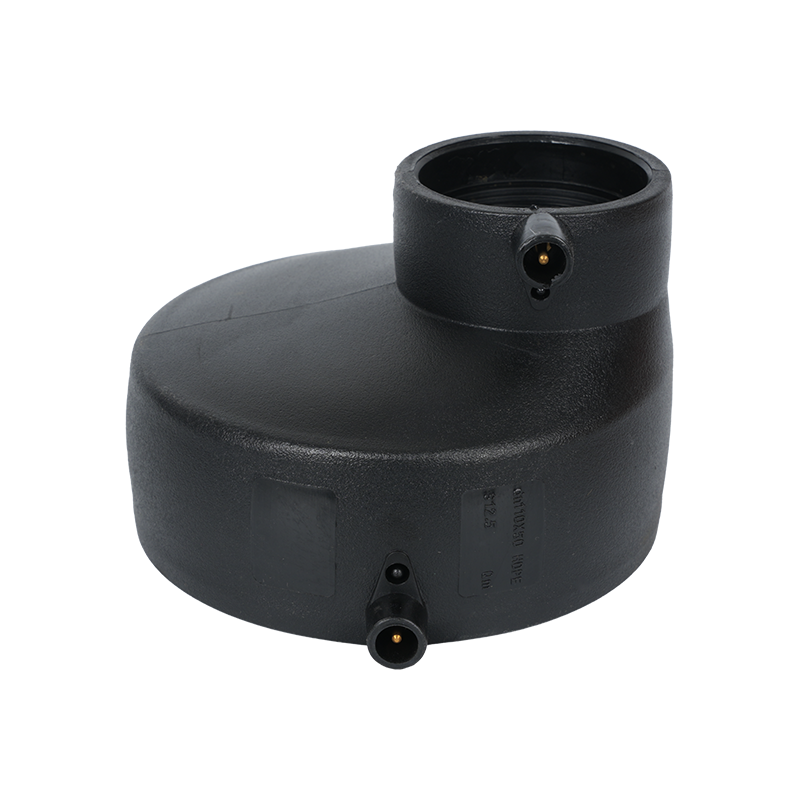
Welding Techniques for Reducing Elbows
Reducing elbows connect pipes of different diameters, making welding more challenging. Special adjustments to welding parameters are required:
- Surface preparation: The smaller diameter end must be precisely beveled to ensure full contact area and prevent insufficient fusion.
- Alignment: Eccentricity may occur at the reducing end, requiring adjustable jigs or positioning tools for proper axis alignment.
- Heating and pressure control: Extended heating time and fine-tuned pressure are needed to compensate for the area difference and ensure complete fusion.
- Weld shaping and finishing: Weld bead may overflow or shrink unevenly, requiring manual shaping or trimming.
- Cooling and solidification: Weld thickness varies, so longer cooling time is necessary to prevent deformation or micro-cracks.
Reducing elbow welding requires higher technical skill, experienced operators, and precise equipment control.
Impact of Technique Differences on Weld Quality
Equal elbows generally produce uniform welds with reliable strength. Reducing elbows, if improperly welded, may experience:
- Incomplete fusion at smaller diameter or thick sections.
- Stress concentration due to diameter difference, leading to micro-cracks or early fatigue.
- Improper weld bead shape, causing overflow or uneven shrinkage that affects aesthetics and installation.
Controlling welding parameters, alignment, and cooling are essential for high-quality reducing elbow welds.
Construction Management and Quality Control
- Equipment selection: Adjustable jigs and high-precision welding machines are necessary for reducing elbows.
- Operation standards: Operators must strictly follow guidelines, recording temperature, pressure, and heating time.
- Nondestructive testing: Welds can be inspected using ultrasonic testing or hydrostatic pressure testing.
- Environmental control: Dry, dust-free environments prevent surface contamination and weld defects.
Proper construction management minimizes welding risks and improves overall pipeline safety.
KEEP IN TOUCH

About Us
Zhejiang Fengfeng Pipe Industry Co., Ltd. uses efficient single screw injection molding machines for high productivity and low energy use.
Products link
Contact
-

+86-19858193396
+86-13735359894 -

+86-0574-63555288
-

-

No. 21, Market Road, Diankou Town, Zhuji City, Shaoxing City, Zhejiang Province, China