Industry news

Zhejiang Fengfeng Pipe Industry Co., Ltd. Home / News / Industry news / What Are HDPE Socket Fusion Fittings and How Do They Work

What Are HDPE Socket Fusion Fittings and How Do They Work

Zhejiang Fengfeng Pipe Industry Co., Ltd. 2026.07.13
Zhejiang Fengfeng Pipe Industry Co., Ltd. Industry news

PIPE JOINING TECHNICAL GUIDE

How Do Socket Fusion Fittings Create Strong Thermoplastic Pipe Joints?

Socket fusion fittings are designed to connect thermoplastic pipes by heating the external surface of the pipe and the internal surface of the fitting socket at the same time. When both surfaces reach the correct fusion condition, the pipe is inserted into the fitting and held in position until the material cools. The process forms a continuous joint without threads, adhesives, bolts, or separate sealing rings.

This connection method is widely used for water distribution, compressed-air lines, chemical processing, industrial circulation, irrigation, building services, gas supply, and equipment piping. Correct material selection, heating control, insertion depth, alignment, and cooling discipline are essential for reliable performance.

Connection Method Controlled socket heating
Joint Structure Pipe inserted into fitting socket
Typical Materials HDPE, PE, PP and compatible thermoplastics
Main Control Factors Temperature, time, depth and alignment
socket fusion fittings hdpe socket fusion fittings pe socket fusion fittings polypropylene socket fusion fittings socket fusion gas fittings
01

What Are Socket Fusion Fittings?

Socket fusion fittings are thermoplastic pipe fittings with a precisely formed internal socket. During installation, a heating tool fitted with a male and female heating face warms the fitting socket and the pipe end simultaneously. The pipe surface softens externally while the fitting softens internally.

The heated pipe is removed from the tool and inserted directly into the fitting socket to a controlled depth. Molten material from both components comes into contact under interference pressure. Molecular diffusion takes place across the interface, creating a unified connection after cooling.

The joint does not rely on a separate gasket to maintain sealing pressure. Properly installed socket fusion fittings become an integrated part of the thermoplastic pipeline. The connection can resist internal pressure, axial loading, vibration, corrosion, and normal thermal movement when the pipe system is correctly supported.

Socket fusion is generally used for smaller and medium pipe diameters where compact equipment, fast cycle times, and repeatable joint geometry are required. The exact usable size range depends on the material, fitting design, heating equipment, pressure class, and applicable installation standard.

STAGE A Prepare

Cut the pipe squarely, clean the surfaces and mark insertion depth.

STAGE B Heat

Place the pipe and fitting on the matched heating faces without rotation.

STAGE C Join

Remove both components and insert the pipe immediately to the depth mark.

STAGE D Cool

Hold the connection still until the joint develops sufficient strength.

Where Are HDPE Socket Fusion Fittings Used?

HDPE socket fusion fittings are commonly used where a corrosion-resistant, lightweight, and permanently fused pipeline is required. They can be applied in water treatment, agricultural irrigation, industrial liquid transfer, mining support systems, compressed-air distribution, utility installations, and selected gas services.

The socket dimensions must match the pipe outside diameter and material behavior. A fitting that appears physically close in size may still be unsuitable if the socket tolerance, fusion temperature, pressure rating, or polyethylene grade is different.

HDPE pipe expands and contracts with temperature changes. Pipe supports, anchors, expansion allowances, burial conditions, and joint positioning should be considered together with the fitting selection. A fused joint should not be used to compensate for severe misalignment or unsupported pipe weight.

Material Behavior

HDPE softens within a controlled heating range and regains strength during cooling.

Joint Character

The connection forms through material fusion rather than mechanical tightening.

Installation Need

Matched heater faces, stable temperature and accurate insertion depth are required.

System Benefit

No exposed metal fasteners are needed in the completed thermoplastic joint.

02

What Are the Different Types of Socket Weld Fittings?

The term socket weld fittings is often associated with metal piping, while socket fusion fittings are used for compatible thermoplastic systems. Both arrangements insert a pipe into a socket, but their joining mechanisms are different. Metal socket weld components use welding around the pipe and socket, while thermoplastic socket fusion joins softened polymer surfaces.

TYPE 01

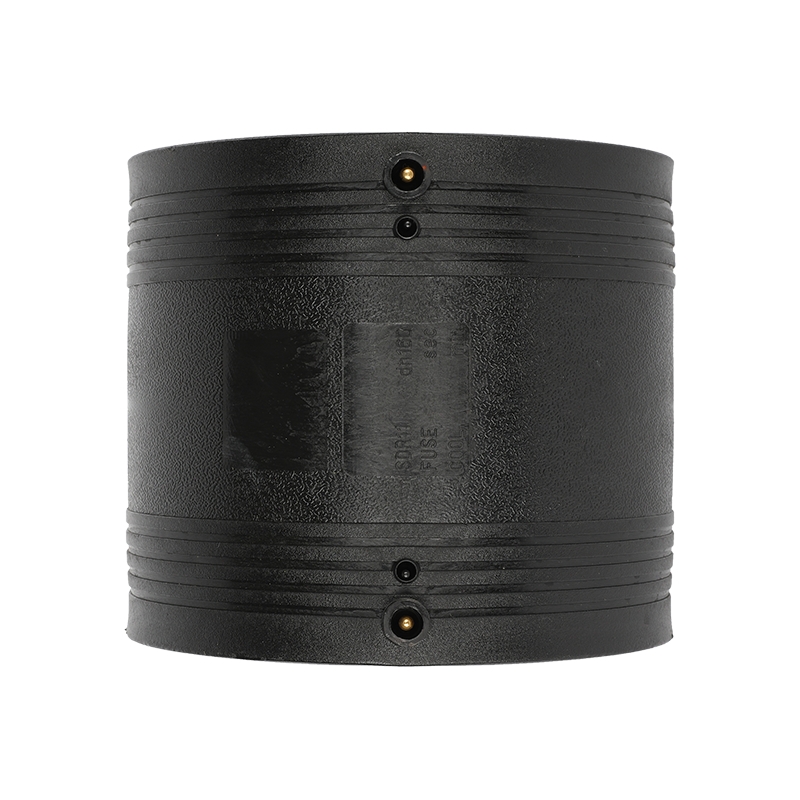
Socket Fusion Couplings

Couplings connect two straight pipe sections of the same nominal size. The socket at each end is heated separately with the corresponding pipe end. They are frequently used for pipeline extension, assembly, section replacement, and repair work.

Selection focus

Pipe diameter, pressure class, material grade and socket depth.
TYPE 02

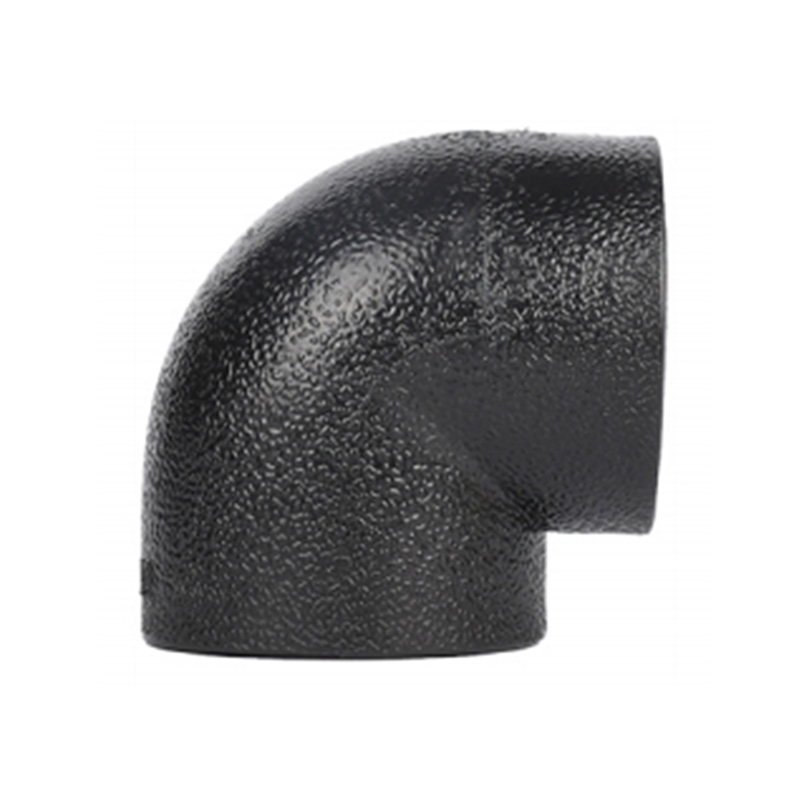
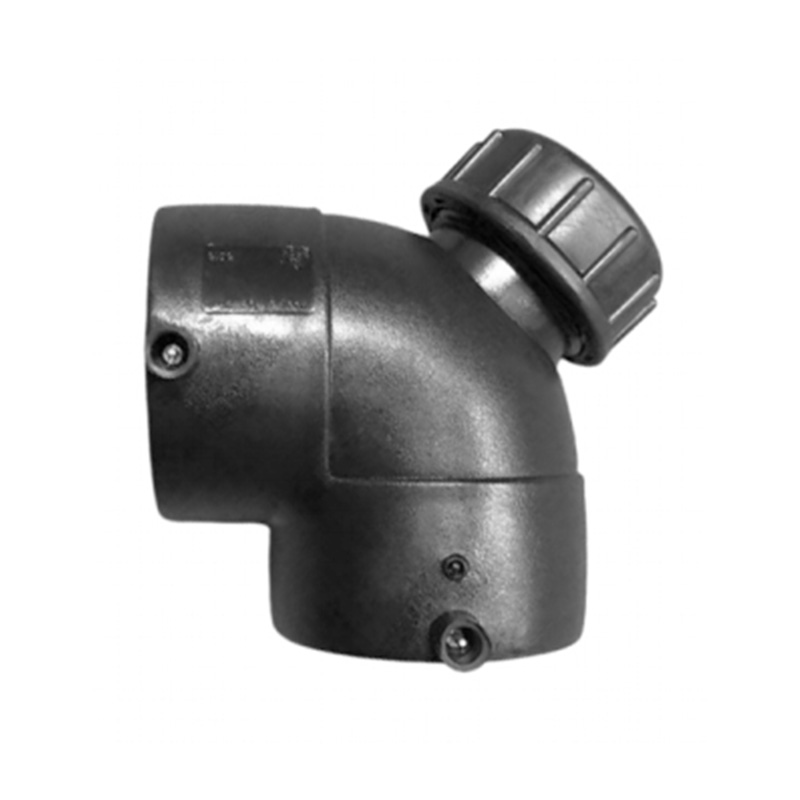
Socket Fusion Elbows

Elbows change the direction of a pipeline. Common configurations include 45-degree and 90-degree arrangements. The connected pipe ends must remain aligned with the fitting sockets so that bending stress is not transferred directly into the fused zones.

Selection focus

Angle, space, pressure loss and pipe support position.

TYPE 03

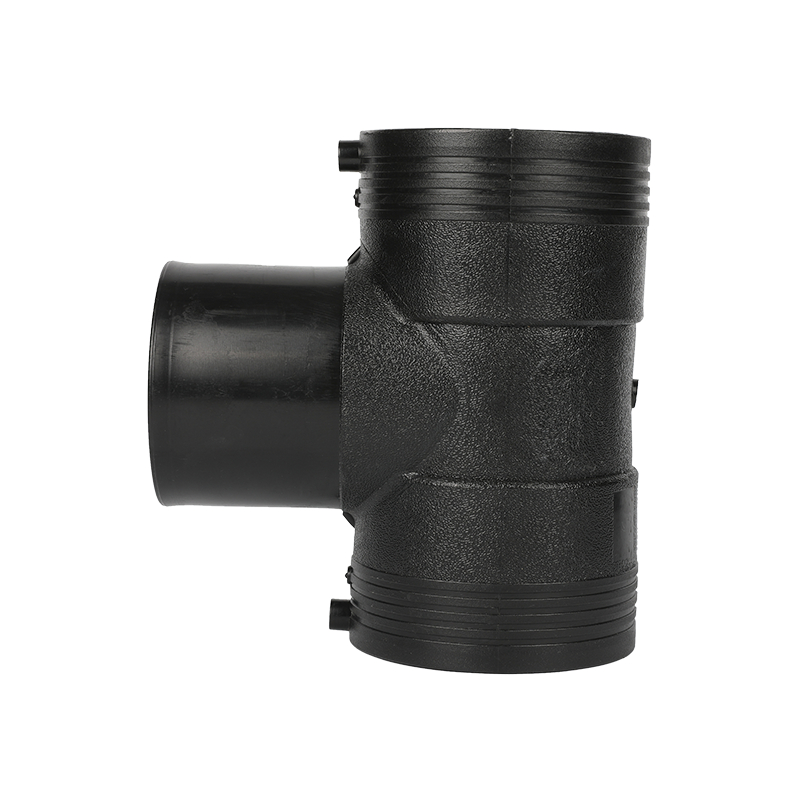
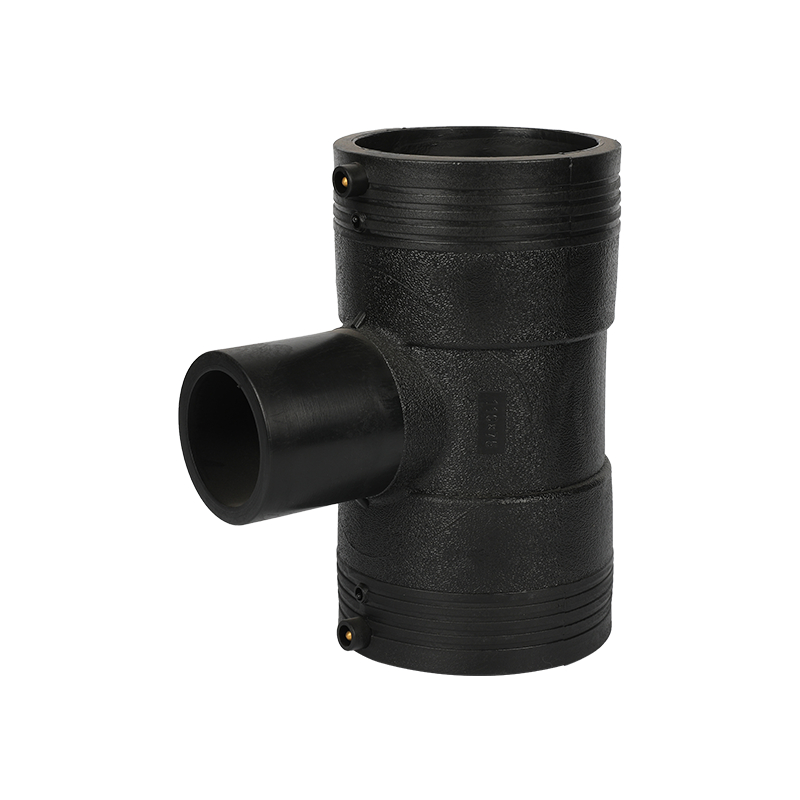
Socket Fusion Tees

Tees divide the main pipeline into a branch connection. Equal tees maintain the same nominal diameter, while reducing tees connect a smaller branch. Flow direction and branch loading should be considered during design.

Selection focus

Main size, branch size, flow balance and installation access.

TYPE 04

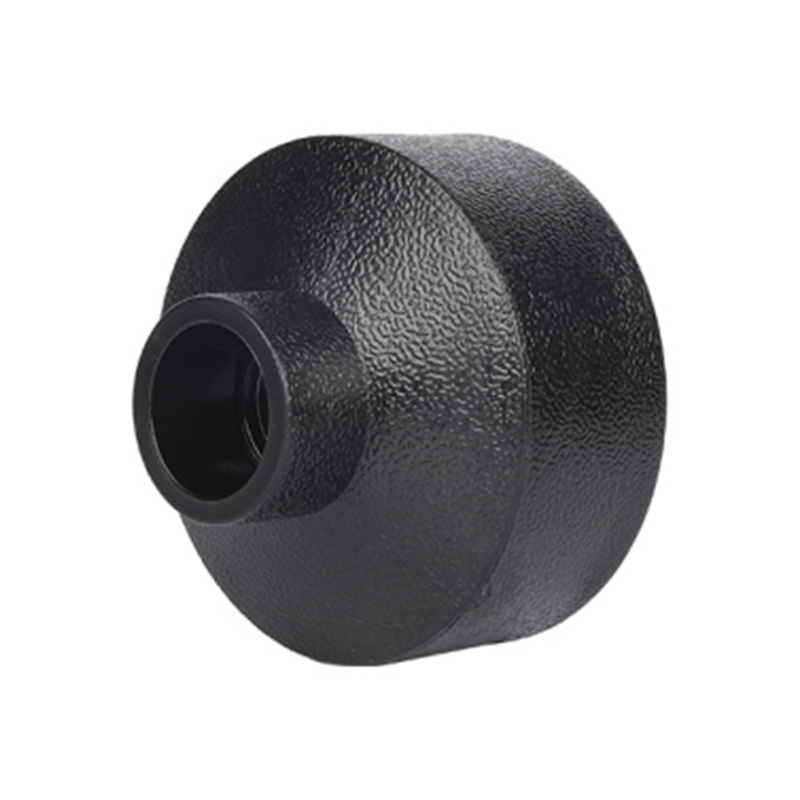
Socket Fusion Reducers

Reducers provide a transition between two pipe sizes. The fitting should support a smooth change in flow area while maintaining the required system pressure rating and material compatibility.

Selection focus

Inlet size, outlet size, flow velocity and pressure requirement.

TYPE 05

Socket Fusion End Caps

End caps close the end of a thermoplastic pipe. They may be used for permanent termination, testing, temporary closure, or reserved pipeline extensions. The cap should remain protected from impact during cooling and pressure testing.

Selection focus

Pipe size, test pressure, access and future modification needs.

TYPE 06

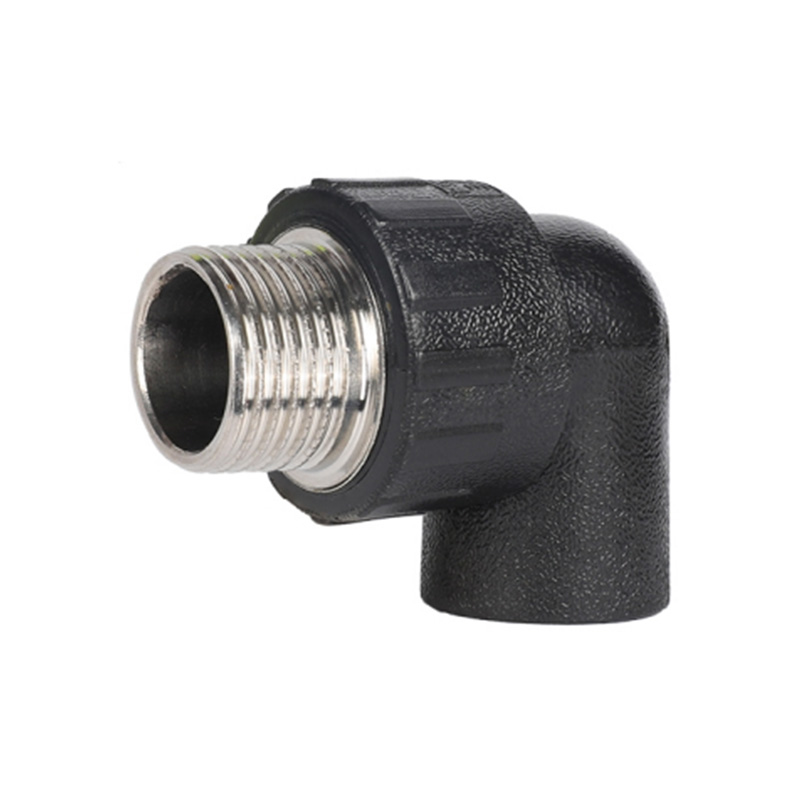
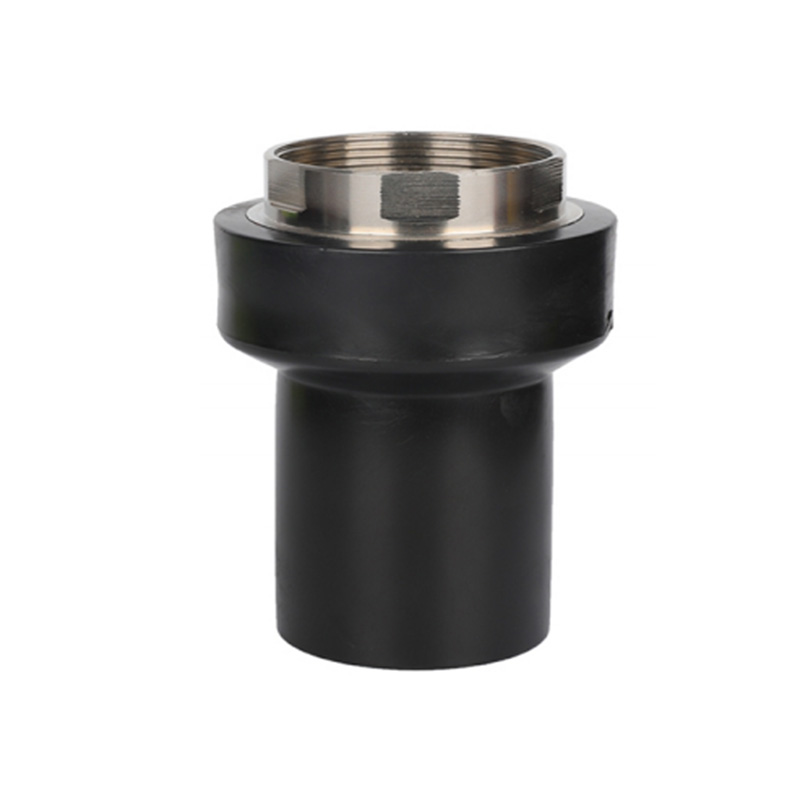
Threaded Transition Fittings

Transition fittings connect a fused thermoplastic pipeline to valves, instruments, pumps, tanks, or threaded equipment. The thermoplastic socket side is fused, while the transition side may contain an internal or external thread.

Selection focus

Thread standard, sealing method, material pair and mechanical loading.

HDPE, PE and Polypropylene Socket Fusion Fittings

Material names should not be treated as interchangeable. HDPE socket fusion fittings, PE socket fusion fittings, and polypropylene socket fusion fittings may require different heating temperatures, pressure classifications, socket dimensions, and operating limitations.

Comparison Item HDPE Socket Fusion Fittings PE Socket Fusion Fittings Polypropylene Socket Fusion Fittings
Base Material High-density polyethylene Specified polyethylene grade Polypropylene material such as suitable PP piping grade
Typical Characteristics Impact resistance, flexibility and corrosion resistance Depends on PE grade, density and pressure classification Good rigidity, chemical resistance and elevated-temperature capability in suitable systems
Common Applications Water, irrigation, utility and industrial piping Water, gas and general polyethylene pipe systems Building services, chemical transfer and industrial process lines
Heating Requirement Follow the specified HDPE fitting and pipe procedure Follow the exact PE material and fitting instructions Use the heating temperature and time assigned to the PP system
Interchangeability Not automatically interchangeable with other polymers Compatibility must be confirmed by grade and system design Should not be fused to polyethylene without an approved transition method
Selection Priority Diameter, SDR, pressure class and service conditions Material designation, dimensions and application Temperature, chemical medium and pressure rating
Material control point

A matching nominal size does not guarantee fusion compatibility. Pipe and fitting material, socket tolerance, heater design, fusion temperature, heating time, insertion depth, and cooling requirement must belong to the same approved joining system.

03

What Is a Fusion Coupling?

A fusion coupling is a fitting used to join two thermoplastic pipe ends through a fusion process. In a socket fusion system, each end of the coupling contains a socket sized to create the required interference fit with the heated pipe.

The pipe should not slide loosely into a cold coupling. The dimensional relationship between the pipe outside diameter and fitting socket is designed so that controlled pressure develops after both surfaces are heated and assembled.

A socket fusion coupling differs from an electrofusion coupling. Socket fusion uses an external heating tool to warm the pipe and fitting. Electrofusion uses resistance wire embedded inside the fitting and an electrical control unit to generate heat.

Socket Fusion Coupling

Heat is supplied by removable heater faces.

Electrofusion Coupling

Heat is generated by resistance wire inside the fitting.

Mechanical Coupling

Sealing is produced by compression components rather than fused polymer.

How Should Socket Fusion Fittings Be Selected?

STEP 1

Identify the Pipe Material

Confirm whether the pipeline is HDPE, another PE grade, polypropylene, or a different thermoplastic. Use fittings and joining procedures approved for the same material system.

STEP 2

Confirm Pipe Dimensions

Check outside diameter, wall thickness, SDR or dimensional classification. Nominal wording alone may not provide enough information for socket matching.

STEP 3

Define Operating Conditions

Review internal pressure, medium type, operating temperature, flow rate, external loading, installation environment, and expected service cycle.

STEP 4

Select the Fitting Geometry

Choose a coupling, elbow, tee, reducer, end cap, union, flange adapter, threaded adapter, or other configuration according to the pipeline layout.

STEP 5

Verify Fusion Parameters

Confirm heating-tool size, heater temperature, heating time, changeover time, insertion depth, holding time, and cooling time before installation.

04

What Should Be Checked for Socket Fusion Gas Fittings?

Socket fusion gas fittings require strict control of material classification, traceability, pressure rating, installation procedure, operator qualification, and inspection records. A fitting intended for general water service should not automatically be assumed suitable for gas distribution.

Gas applications demand reliable leak prevention and consistent joint geometry. Pipe preparation, heater temperature, fusion time, insertion depth, cooling time, and pressure testing must follow the applicable project requirements.

The installation area should be protected from dust, water, oil, and ignition hazards. Equipment condition and heater-face cleanliness should be checked before each fusion cycle.

Material Approval

Verify that both pipe and fitting are specified for the gas service.

Pressure Classification

Confirm the fitting rating is suitable for design and test pressure.

Traceability

Retain fitting identification, production batch and installation data.

Joint Testing

Perform the required leak and pressure checks after sufficient cooling.

Socket Fusion Installation Steps That Protect Joint Quality

01

Inspect the Components

Check the pipe and fitting for incorrect size, contamination, cracking, deformation, deep scratches, impact damage, and storage-related deterioration.

02

Cut the Pipe Squarely

A perpendicular cut supports uniform insertion. Remove burrs and loose material without excessively beveling the pipe end.

03

Measure Insertion Depth

Mark the pipe according to the socket depth. The mark helps prevent insufficient insertion or forcing the pipe too far into the fitting.

04

Prepare the Surfaces

Clean the pipe and fitting surfaces according to the material procedure. Keep oil, water, dust and hand contamination away from the fusion area.

05

Stabilize Heater Temperature

Allow the tool to reach and maintain the specified temperature. Confirm the heater faces are clean, correctly sized, undamaged and securely installed.

06

Heat Without Rotation

Push the pipe and fitting onto their corresponding heater faces in a straight movement. Avoid twisting because it can scrape softened material away.

07

Complete the Changeover Quickly

Remove the pipe and fitting when the required heating time is reached. Join them immediately before the molten surfaces cool or become contaminated.

08

Insert to the Mark

Push the pipe into the socket in one controlled axial movement. Do not rotate the components or force the pipe beyond the marked depth.

09

Hold and Cool

Maintain alignment for the specified holding period. Keep the joint free from bending, pulling, vibration, pressure and impact during cooling.

05

Which Parameters Influence Socket Fusion Joint Strength?

Parameter Control Requirement Possible Result When Incorrect
Heater Temperature

Maintain the range specified for the pipe and fitting material.

Low temperature may cause incomplete fusion; excessive temperature may degrade the polymer.

Heating Time

Use the time assigned to the fitting size, material and site condition.

Insufficient or excessive melt formation can weaken the joint.

Insertion Depth

Mark and control the exact socket engagement length.

Shallow insertion reduces fusion area; excessive insertion may restrict flow.

Changeover Time

Join the heated surfaces within the permitted interval.

Cooling or contamination before assembly can prevent complete bonding.

Alignment

Keep the pipe and fitting axes correctly positioned.

Misalignment introduces uneven stress and can distort the socket.

Cooling Time

Do not load or pressurize the joint before sufficient cooling.

Early movement may disrupt the fusion interface.

Surface Cleanliness

Keep the heated areas free from oil, dust, water and damaged material.

Contamination can create weak zones or leakage paths.

Common Socket Fusion Problems and Corrective Actions

PROBLEM A

The Pipe Will Not Enter the Heating Face

Check whether the heater size matches the pipe, whether the pipe end is oval or damaged, and whether excess material remains after cutting. Do not force the pipe onto an incorrect heater face.

PROBLEM B

The Melt Bead Is Uneven

Possible causes include angled cutting, uneven insertion, heater contamination, temperature variation, material mismatch, or excessive pipe ovality.

PROBLEM C

The Pipe Rotates During Assembly

Rotation can displace molten material and create channels in the joint. The connection should be assembled with a straight axial movement and kept motionless during cooling.

PROBLEM D

The Fitting Becomes Distorted

Distortion may result from excessive heater temperature, excessive heating time, incorrect tool size, over-insertion, mechanical loading, or movement before cooling.

PROBLEM E

The Joint Leaks During Testing

Investigate material compatibility, heating records, insertion depth, joint alignment, contamination, visible cracks, premature pressure application, and installation damage.

06

Where Different Socket Fusion Fittings Are Commonly Applied

Application Common Fitting Requirements Important Design Checks
Water Distribution

Couplings, elbows, tees, reducers and transition fittings.

Pressure rating, water suitability, pipe support and test procedure.

Agricultural Irrigation

Branch tees, reducers, couplings, end caps and equipment adapters.

Flow demand, field movement, sunlight exposure and seasonal operation.

Industrial Process Piping

Material-specific fittings, unions, flanged transitions and instrument adapters.

Chemical compatibility, operating temperature, pressure and maintenance access.

Compressed-Air Lines

Pressure-rated couplings, elbows, tees and equipment transitions.

Pressure surges, temperature, support spacing and system approval.

Gas Distribution

Approved socket fusion gas fittings and traceable pipe components.

Material authorization, operator procedure, leak testing and local requirements.

Building Services

Polypropylene socket fusion fittings, elbows, tees, reducers and valves.

Temperature class, thermal expansion, routing and fixture connection.

Frequently Asked Questions About Socket Fusion Fittings

What is a socket fitting?

A socket fitting contains a recessed connection area that receives the end of a pipe. In thermoplastic socket fusion, the fitting socket and pipe exterior are heated and fused together.

Are socket fusion fittings threaded?

Standard socket fusion ends are not threaded. Some transition fittings combine a fusion socket on one side with a metal or thermoplastic threaded connection on the other side.

Can HDPE and polypropylene be socket fused together?

They should not be directly fused unless an approved joining system specifically permits the material combination. Different polymers have different melting behavior and fusion requirements.

Can a socket fusion joint be reheated?

Reheating a completed or defective joint can distort the fitting and degrade the material. A rejected connection is generally removed and replaced according to the applicable procedure.

How is a socket fusion coupling different from an electrofusion coupling?

Socket fusion uses a separate heated tool. Electrofusion uses resistance wire embedded inside the fitting and an electrofusion control unit.

Why is insertion depth important?

Correct insertion depth provides the intended fusion area. Insufficient depth reduces joint engagement, while excessive insertion may push softened material into the flow path.

What information is needed to select socket fusion fittings?

Required details normally include pipe material, outside diameter, wall thickness, pressure rating, operating temperature, medium, fitting type, connection standard, and installation environment.

When can a socket fusion joint be pressure tested?

Pressure testing should begin only after the specified cooling and conditioning periods have passed. The test procedure should match the material and pipeline design requirements.

FITTING SPECIFICATION INFORMATION

Prepare the Correct Data Before Selecting a Socket Fusion Fitting

Pipe material and grade Outside diameter and wall thickness SDR or dimensional series Required pressure class Operating medium and temperature Fitting type and connection layout Applicable joining procedure Installation environment

KEEP IN TOUCH

SUBMIT