


 English
 中文简体
中文简体 русский
Industry news
 Home / News / Industry news / What Are the Technical Standards for butt fusion elbow and tee in HDPE Piping Systems
 What Are the Technical Standards for butt fusion elbow and tee in HDPE Piping Systems
 2026.05.04
 Industry news
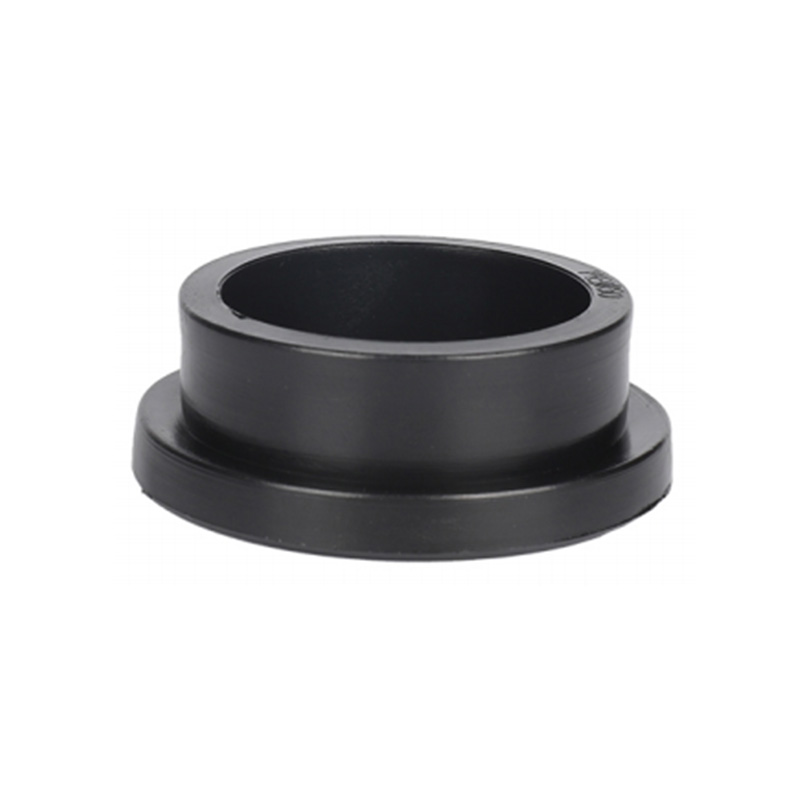
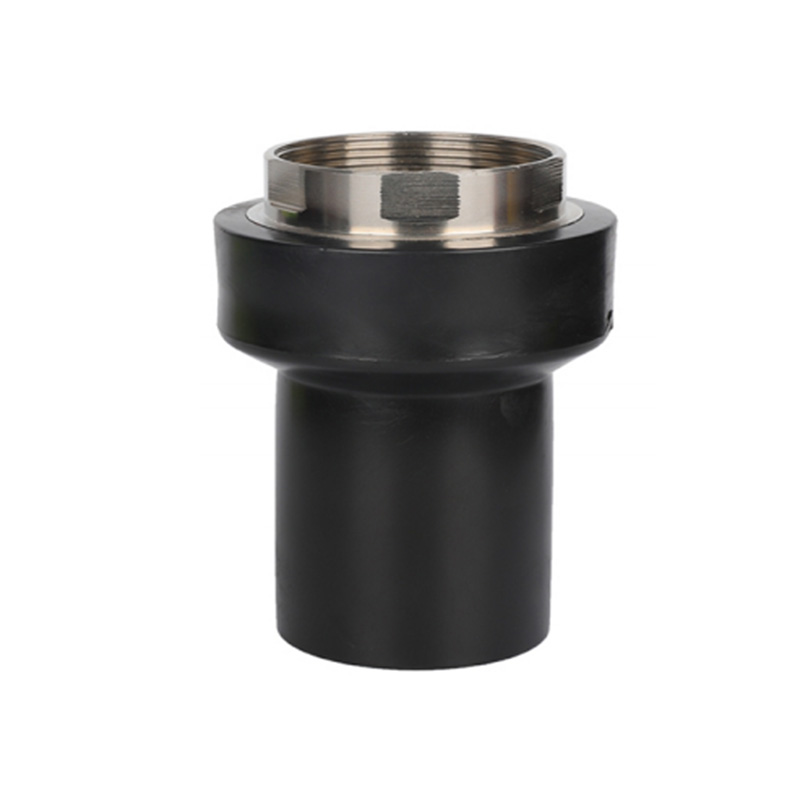
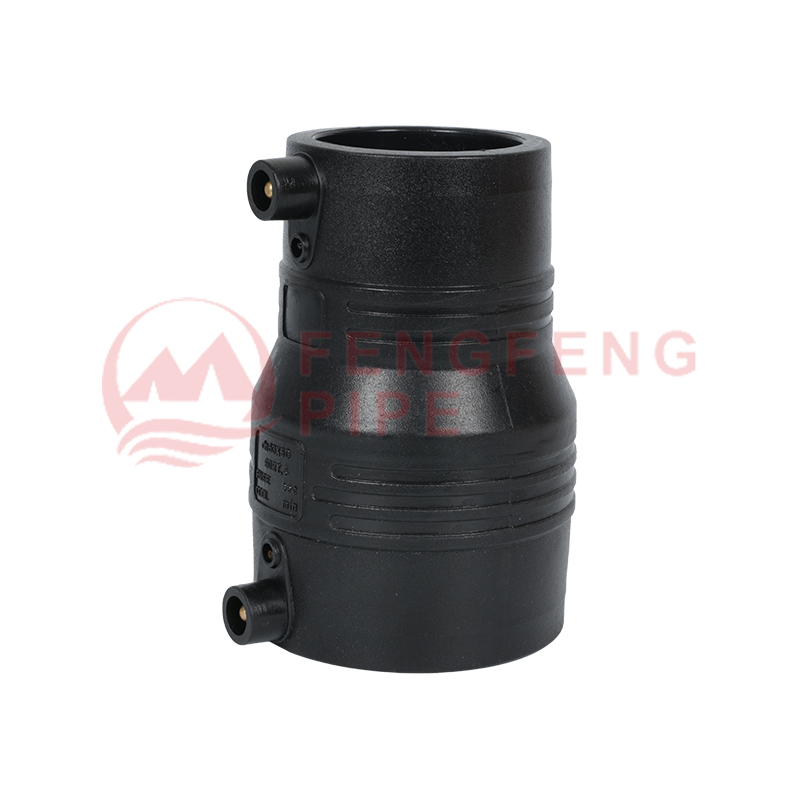
In modern industrial fluid transport and municipal pipeline construction, High-Density Polyethylene (HDPE) has become the core choice for piping systems due to its excellent corrosion resistance, flexibility, and long service life. The key to ensuring the integrity of the entire piping system lies in the connection technology between the pipes and accessories. Through high-quality fusion hdpe pipe combined with precision HDPE Butt Fusion Fitting, a molecular-level connection can be achieved, thereby constructing a leak-free and maintenance-free transmission network.
Technical Logic of Core Connection Processes
Butt Fusion is currently the preferred solution for handling large-diameter HDPE pipes. This process involves using a heating tool to heat two ends to be connected (whether pipes or fittings) simultaneously to a molten state, then removing the heat source and applying precise controlled pressure to allow the molten interfaces to interpenetrate and mix.
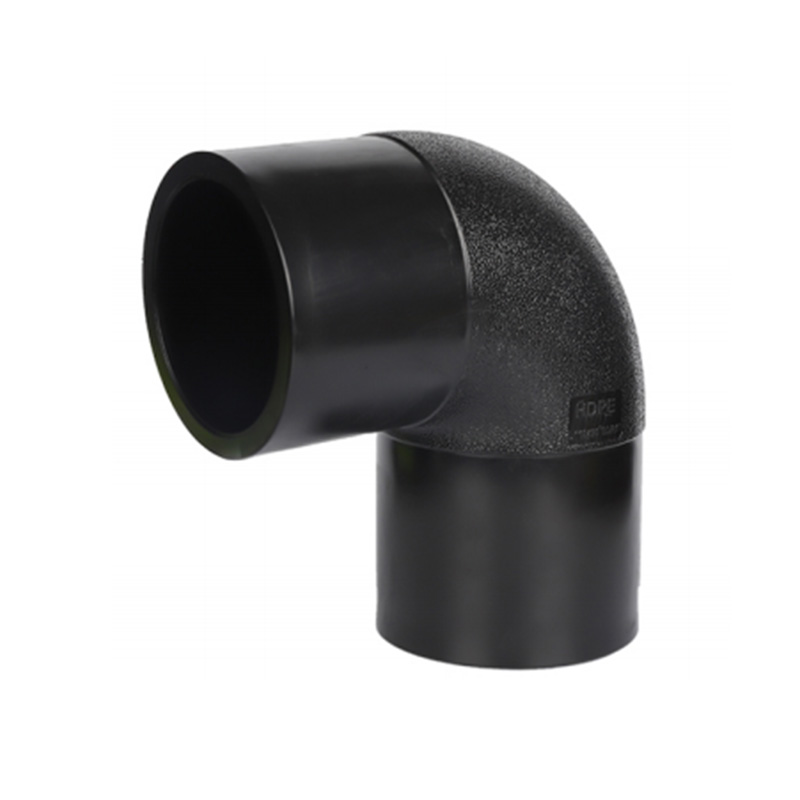
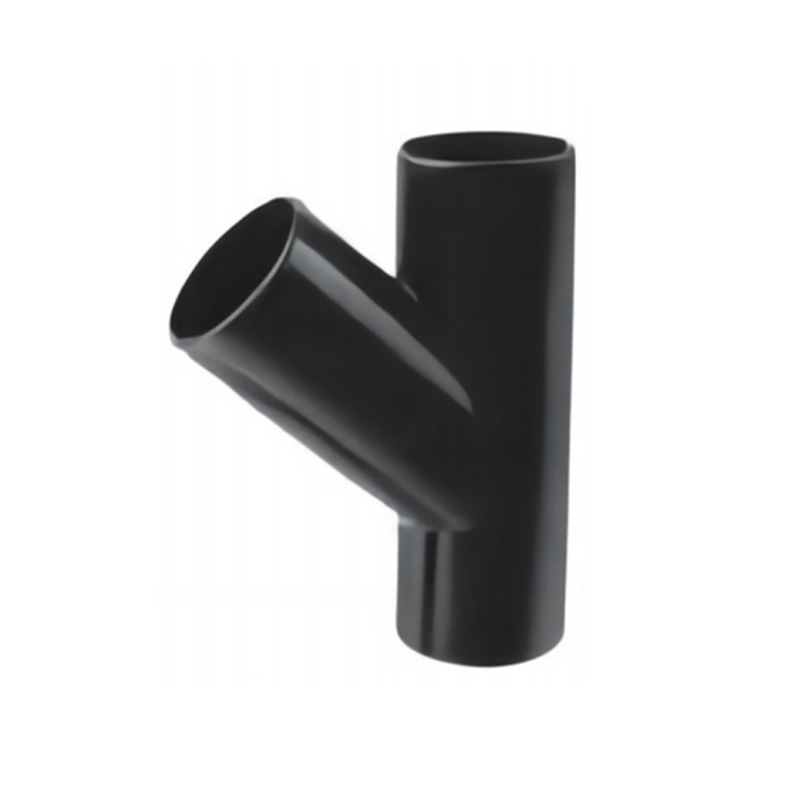
In actual construction, the butt fusion elbow is used to change the direction of fluid, while the butt fusion tee undertakes the task of branch shunting. Since these fittings use the same material grade (such as PE100 or PE100-RC) as the fusion hdpe pipe, the strength at the interface is often higher than the pipe body itself after cooling is completed. This "homogeneous connection" characteristic effectively eliminates the risk of leakage that may exist in physical interfaces.
Key Physical Parameters of HDPE Butt Fusion Fitting
To ensure engineering quality, selecting HDPE Butt Fusion Fitting that complies with international standards (such as ISO 4427 or ASTM D3261) is crucial. There are significant differences in wall thickness and pressure resistance among fittings of different pressure ratings (SDR series). The following table provides technical parameter references for common specifications:
| Parameter Item | Technical Indicator (PE100 Level) | Test Standard / Remarks |
| Density | >= 950 kg/m3 | ISO 1183 |
| Melt Mass-Flow Rate (MFR) | 0.2 to 0.7 g/10min | 190°C, 5.0kg |
| Oxidation Induction Time (OIT) | >= 20 min | 210°C (Material Stability) |
| Elongation at Break | >= 350% | Ensures system flexibility |
| Slow Crack Growth Resistance (SCG) | > 500 h | For high-grade pipes |
Technical Details and Troubleshooting During Construction
When installing a butt fusion elbow or butt fusion tee, ambient temperature, the cleanliness of the heating plate surface, and the setting of welding pressure are the three key factors determining connection quality.
End Face Milling and Alignment: Before using the docking machine, the cross-section of the fusion hdpe pipe must be milled to ensure it is flat and free of oxidation layers. The alignment deviation should not exceed 10% of the pipe wall thickness; otherwise, the uniformity of the weld bead will be affected.
Heating Phase: The heating plate temperature is usually set between 210°C and 230°C. For thick-walled HDPE Butt Fusion Fitting, sufficient heat absorption time must be reserved to ensure heat penetrates into the material to form a qualified initial bead.
Pressure Switching: The cycle from heating to docking must be as short as possible to prevent the molten end faces from cooling too quickly in the air or adsorbing dust.
Stability Analysis of Piping Systems
In complex industrial terrains, the impact force of fluids at turns and branches (water hammer effect) cannot be ignored. Compared to mechanical connections, the butt fusion elbow provides better stress distribution. Due to its compact structure and lack of O-rings or other rubber seals, this system performs exceptionally well when handling abrasive or chemically corrosive media.
When the design involves multi-way water supply or chemical circulation, the design accuracy of the butt fusion tee directly affects the hydraulic characteristics. High-quality fittings have smooth internal channels, which can minimize turbulence, thereby reducing energy consumption and reducing local wear during long-term operation.
Quality Inspection and Maintenance Recommendations
After completing the thermal fusion of the fusion hdpe pipe, visual inspection of the weld bead is an effective means of preliminary quality determination. A qualified weld bead should exhibit a double-fold shape, with a uniform and rounded height, and the surface should be free of carbonization or pores.
For high-demand pressure pipe networks, it is recommended to conduct a hydrostatic pressure test after installation. Due to the material stability of HDPE Butt Fusion Fitting, once the standard pressure testing procedure is passed, the part basically requires no additional maintenance during decades of subsequent operation. This high reliability makes this solution widely used in harsh environments such as mine slurry transportation, municipal water supply emergency repairs, and industrial chemical transportation.
Through standardized construction technology and the cooperation of high-quality butt fusion elbow and butt fusion tee, engineering teams can build a modern piping system with structural integrity, superior hydraulic performance, and high environmental adaptability.
KEEP IN TOUCH

About Us
Zhejiang Fengfeng Pipe Industry Co., Ltd. uses efficient single screw injection molding machines for high productivity and low energy use.
Products link
Contact
-

+86-19858193396
+86-13735359894 -

+86-0574-63555288
-

-

No. 21, Market Road, Diankou Town, Zhuji City, Shaoxing City, Zhejiang Province, China