


 English
 中文简体
中文简体 русский
Industry news

When to Use Siphonic Drainage | Applicability Guide for Large Roofs
 2026.08.24
 Industry news
Introduction: Why the Choice of Drainage System Matters
A multi-story logistics center with a 10,000-square-meter flat roof faces a sudden downpour. A conventional gravity system, with its sloped pipes running at half capacity, struggles to keep up. Ponding water accumulates, the structural load rises, and the building owner starts asking hard questions about design responsibility. This is the scenario where the decision between gravity and siphonic drainage stops being theoretical.
The choice matters because the drainage system is only visible when it fails. For large low-slope roofs, the difference between a system that carries water away quickly and one that allows it to linger can affect structural safety, usable interior space, and the total cost of the piping network. Siphonic drainage is not a universal upgrade; it is a targeted solution with clear conditions for success. If you manage large roof areas, low roof slopes, or projects where interior space is valuable, the question of when to use siphonic drainage deserves a structured answer.
Siphonic Drainage vs. Gravity Drainage: How the Systems Differ
The fundamental difference is not speed but the physical state of the water inside the pipe. A gravity system relies on the slope of the horizontal pipe to keep water moving. Because air enters freely through the roof outlet, the pipe rarely runs full; it typically operates half full or less, with air occupying the upper portion of the cross-section. This limits capacity and explains why gravity systems need larger pipes and multiple downpipes for large roofs.
Siphonic drainage changes the inlet condition. A specially designed roof outlet with an anti-vortex plate restricts air entry, allowing water to fill the pipe completely. Once full, the vertical drop of the building creates negative pressure, and the water column is effectively pulled downward. The result is full-bore flow at velocities far higher than what gravity alone can achieve. Under the right conditions, the system can prime and start generating siphonic action rapidly; a properly designed system can achieve full pipe flow within about 15 seconds of rainfall reaching the outlet. In practice, siphonic systems typically carry at least twice the flow of a comparable gravity system.
| Aspect | Gravity Drainage | Siphonic Drainage |
|---|---|---|
| Operating principle | Water flows under gravity with air entering freely | Negative pressure creates a full-pipe siphon effect |
| Pipe fill condition | Partially full, typically half filled | Full-bore flow |
| Horizontal slope requirement | Continuous slope required | No slope needed; horizontal pipes can run level |
| Flow capacity | Baseline capacity | At least twice the gravity flow in the same conditions |
| Pipe diameter | Larger diameters needed | Smaller diameters can handle the same flow |
| Building height requirement | None specific | About 4.5 meters of vertical drop or more |
| Noise level | Lower flow velocity, less noise | High-velocity full-pipe flow can generate noticeable noise |
The Siphon Effect Explained in Simple Terms
The principle is similar to draining liquid through a hose: once the hose is full and the outlet is lower than the inlet, the liquid continues to flow without a pump. On a roof, the anti-vortex outlet keeps air out of the pipe while water enters. The vertical downpipe creates the height difference, and the negative pressure that develops pulls water from the horizontal collectors with considerable force. That is why a siphonic system can move a high volume of water through smaller pipes while maintaining level horizontal runs near the ceiling.
When to Use Siphonic Drainage: The Ideal Conditions
Use siphonic drainage when four conditions are present: the roof is large, the slope is low, the building has enough vertical height, and the project can benefit from fewer pipes and more usable interior space. No single condition is sufficient on its own; the system delivers its best results when these factors combine.
The roof slope is the first filter. Siphonic drainage is best suited to roofs with a slope of 3% or less. On flatter roofs, water can form enough depth at the outlet to push out the air and prime the full-pipe flow. On steeper roofs, rainwater runs off too quickly to create the water column needed for the siphon to start, and the system may operate in an inefficient gravity-like mode.
Building height is the second filter. The vertical distance from the roof outlet to the discharge point creates the negative pressure that drives the system. As a general technical guideline, a building height of about 4.5 meters or more is required to develop sufficient siphonic action. Short structures cannot produce the pressure differential needed for reliable full-bore flow.
Roof area is the third filter. The commercial and technical advantage of siphonic drainage grows with roof size. When the catchment area is small, the design complexity of siphonic calculation and pipe balancing is hard to justify. When the roof area is in the thousands of square meters, the savings in pipe length, pipe diameter, and the number of downpipes become substantial.
Best Building Types for Siphonic Drainage
In practice, certain building types repeatedly demonstrate the value of siphonic drainage:
- Large shopping malls and commercial complexes, where wide roof areas meet strict interior layout requirements.
- Logistics centers and warehouses, where long uninterrupted roof spans would otherwise demand numerous gravity downpipes.
- Industrial plants and manufacturing facilities, especially those with process equipment that makes pipe routing difficult.
- Airport terminals and aircraft hangars, where expansive roofs require high-capacity drainage without obstructing interior operations.
- Exhibition centers and sports stadiums, where roof area is very large, and visible piping would compromise the architecture.
These building types share the same profile: large horizontal roof surfaces, low slopes, and a strong preference for keeping the interior free of bulky drainage infrastructure.
When NOT to Use Siphonic Drainage: Key Limitations
Knowing when to avoid siphonic drainage is as important as knowing when to use it. The system is not a replacement for gravity drainage in every project. In several common situations, a well-designed gravity system remains the more practical choice.
First, avoid siphonic drainage on roofs with a slope greater than 3%. On pitched roofs, rainfall moves toward the eaves too quickly, and the roof outlet cannot maintain the sealed water flow needed to generate a vacuum. The system will effectively behave like a gravity system, offering no capacity benefit while still carrying the extra design cost.
Second, avoid it on small buildings and small roof areas. The engineering work, specialized outlet components, and calculation software required for siphonic design are only economical when the roof area is large enough to generate real savings in materials and installation. On a modest roof, the complexity outweighs the benefit.
Third, avoid it on low buildings. A height below about 4.5 meters leaves too little vertical drop for the negative pressure to develop fully. Water may flow in the pipes, but the siphonic action will be weak, and the anticipated flow capacity will not materialize.
Fourth, be cautious in noise-sensitive spaces. Full-bore flow at high velocity produces a distinct sound, and siphonic systems can transmit vibration through pipes and brackets. Hospitals, libraries, and quiet office zones are not ideal candidates unless acoustic attenuation measures are included in the design.
Fifth, consider the regional rainfall pattern. In climates with consistently light rainfall, a siphonic system mostly operates in gravity mode and rarely reaches full-bore flow. When the local rainfall intensity is low and stable, the high-capacity advantage of siphonic drainage may never be exercised, making the simplified gravity system the more sensible investment.
Critical Design Considerations for Siphonic Drainage Success
Siphonic drainage is unforgiving of design shortcuts. A gravity system can tolerate rough pipe sizing because it operates with open-channel flow and a built-in safety margin. A siphonic system, by contrast, depends on precise hydraulic behavior: pipe diameters, outlet capacities, flow velocities, and pressure values must be balanced so that the entire network primes and drains at the same time. A system that looks correct on paper can fail in the field if the hydraulic calculation ignores local rainfall intensity, roof geometry, or the physical properties of the components.
Professional hydraulic calculation software is not optional for siphonic drainage. The designer must model the roof catchment, outlet positions, pipe lengths, and building height to verify that every branch maintains the required pressure range. Estimating from experience is a common source of failure, because siphonic systems operate under negative pressure that is not evenly distributed across the network.
The roof outlet is another decisive element. The anti-vortex plate inside the outlet must seal reliably against air entry while allowing water to enter freely. If the outlet is poorly manufactured or dimensionally inaccurate, air will leak into the pipe, the siphon will collapse, and the system will fall back to an inefficient gravity-like mode.
Pipe material quality also moves to the center of the design conversation. During siphonic operation, the pipe wall is subjected to negative internal pressure, which means the pipe must be strong enough to resist collapse and stable enough to retain its dimensions over decades of service. The system relies on airtight joints, so the connection between pipes and fittings matters just as much as the material of the pipe itself. HDPE and similar high-strength materials are common choices because they combine durability, light weight, and reliable fusion or electrofusion joints.
Finally, plan for the weather event that exceeds the design storm. Overflow outlets are a recommended safeguard so that extreme rainfall can escape the roof even if the siphonic system reaches its capacity limit. Redundancy is not a sign of weak design; it is a sign of responsible design.
Common Risks of Poorly Designed Siphonic Systems
The risks of an undersized or badly balanced siphonic system are concrete and can be expensive to correct after installation:
- Noise and vibration during heavy rain, caused by air entrainment or slugs of water moving through the pipe network.
- Negative pressure fluctuations that weaken the siphon effect and reduce flow capacity below the design value.
- Roof ponding when the system does not prime fully, leading to structural overloading on large flat roofs.
- Blockage risk in systems with small-diameter pipes, especially if inlet protection and maintenance access are not planned.
- Difficulty in retrofitting changes, because modifying one part of a siphonic network affects the hydraulic balance of the entire system.
Every one of these risks is manageable when the design is built on accurate calculation, quality components, and a clear maintenance plan.
Choosing the Right Siphonic Drainage Components and Supplier
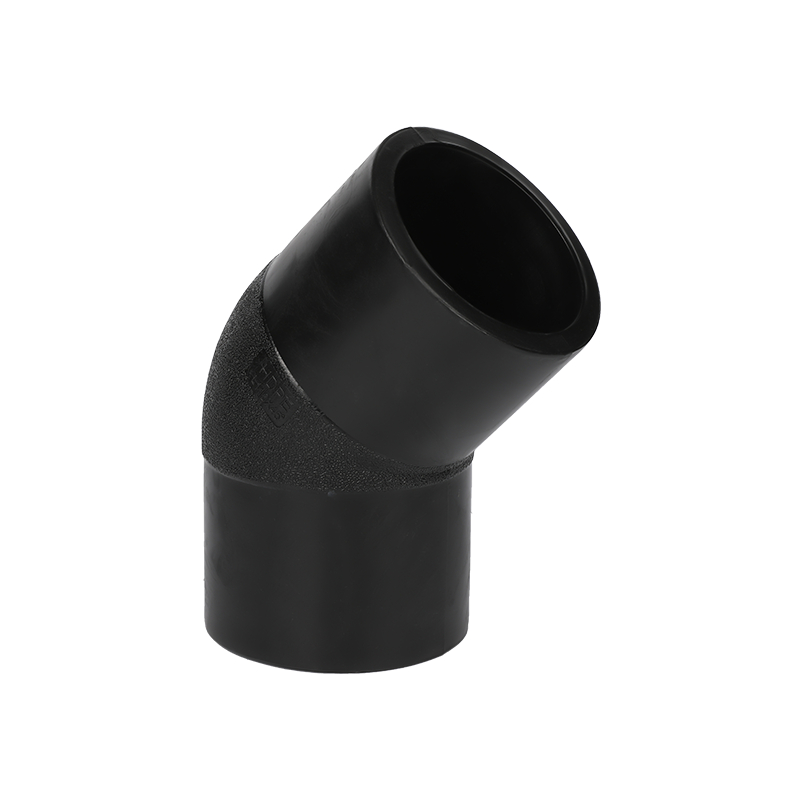
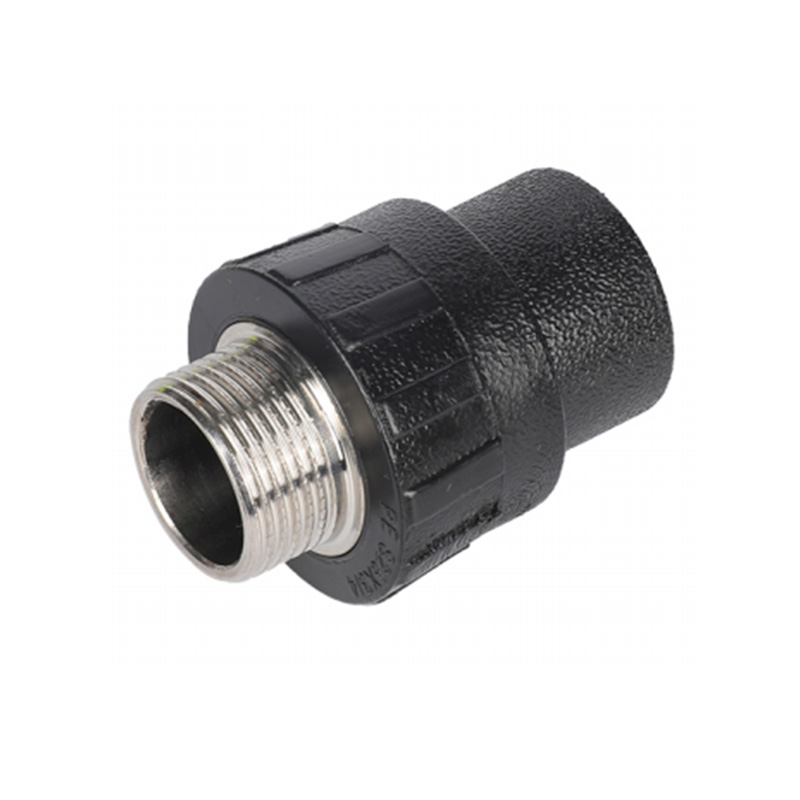
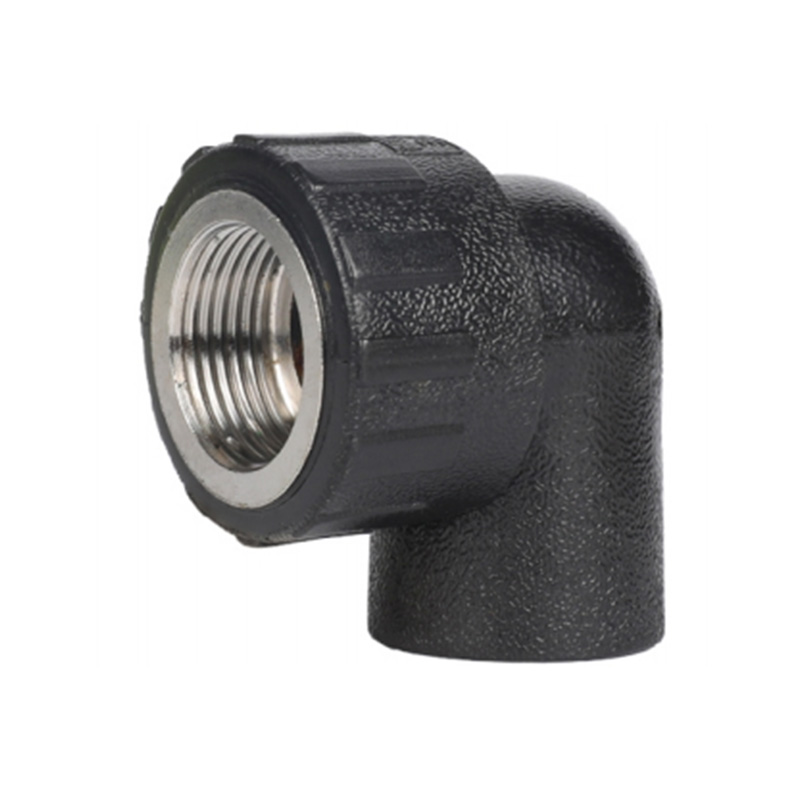
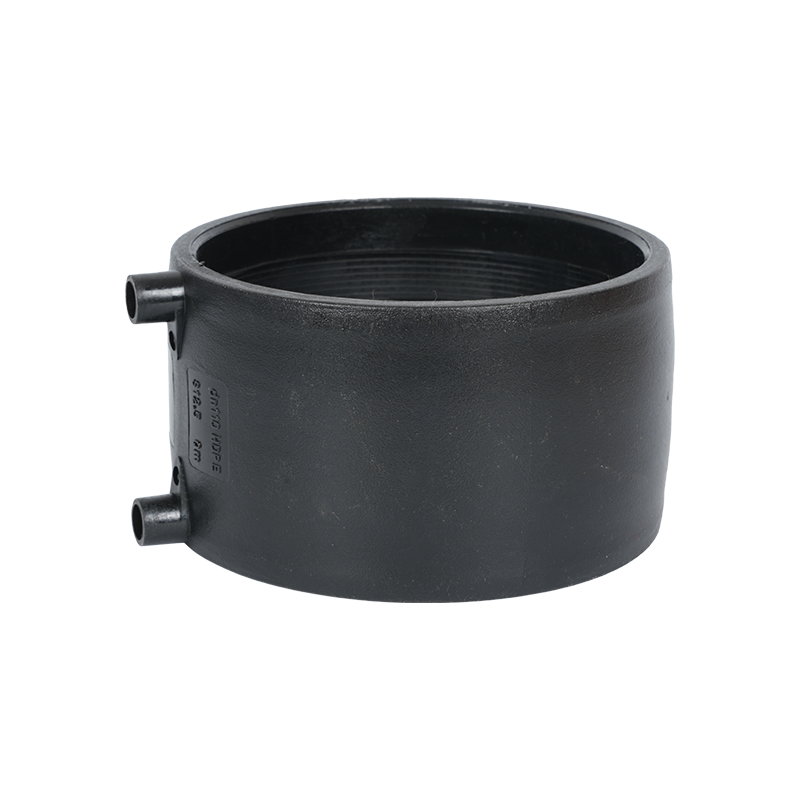
Once the decision to use siphonic drainage is made, the project's success shifts to component quality and supplier reliability. The performance of the system depends on the dimension accuracy, air-tightness, corrosion resistance, and long-term stability of every fitting. A small deviation in socket depth or seal geometry can break the vacuum that the design depends on.
When evaluating suppliers, treat the following points as minimum requirements. A manufacturer with an ISO 9001 quality management system demonstrates that production processes are controlled and traceable. An ISO 14001 environmental management certification adds evidence of responsible manufacturing practices. If a manufacturer states that its piping systems are designed for a service life of more than 50 years, ask how that claim is supported by material testing and quality control records. For siphonic applications, the ability to provide a complete product range from a single source reduces interface risk, because pipes and fittings from different suppliers may have subtle differences in dimensions, wall thickness, and joint behavior.
Practical supplier questions worth asking include: Does the manufacturer produce dedicated siphonic drainage pipe fittings, or only general drainage products? Can the supplier provide material test certificates and dimension inspection reports for the specific batch? Does the manufacturer's product line include the full set of fittings needed for a balanced siphonic network, such as bends, reducers, branch fittings, and outlet connections? Is the supplier experienced with the export documentation and packaging requirements for your region? These questions matter more than glossy brochures, because a siphonic system is only as reliable as its weakest joint.
Conclusion: Making the Right Decision for Your Project
The decision to use siphonic drainage comes down to a small set of questions. Review them for your project before committing to either approach:
- Is the roof slope 3% or less?
- Is the building height at least 4.5 meters?
- Is the roof area large enough to benefit from fewer downpipes and smaller pipe diameters?
- Does the project value the space saved by level horizontal piping near the ceiling?
- Are local rainfall conditions intense enough to justify a high-capacity drainage system?
If the answers are mostly yes, siphonic drainage is likely the stronger option. It can move more water through smaller pipes, reduce material and installation costs, and free up interior space that gravity drainage would consume. If the answers are mostly no, a gravity system remains a sensible and dependable choice, especially when the roof is small, steep, or the building is low.
And when siphonic drainage is the right call, remember that it is a fully engineered system. The hydraulic calculation, the anti-vortex outlets, the airtight joints, and the quality of the pipe fittings all work together as one mechanism. Selecting a manufacturer that can supply reliable, consistent and well-documented siphonic drainage pipe fittings from a single product line is the last step that protects your investment through the system's entire service life.
KEEP IN TOUCH

About Us
Zhejiang Fengfeng Pipe Industry Co., Ltd. uses efficient single screw injection molding machines for high productivity and low energy use.
Products link
Contact
-

+86-19858193396
+86-13735359894 -

+86-0574-63555288
-

-

No. 21, Market Road, Diankou Town, Zhuji City, Shaoxing City, Zhejiang Province, China