


 English
 中文简体
中文简体 русский
Industry news
 Home / News / Industry news / What Is the Most Common Method of Joining HDPE Pipes? A Butt Fusion Guide
 What Is the Most Common Method of Joining HDPE Pipes? A Butt Fusion Guide
 2026.09.07
 Industry news
Along most of the HDPE pipelines being buried around the world today, one joining process appears again and again: butt fusion. A crew clamps two pipe ends into a hydraulic fusion machine, faces them flat with a rotating planer, presses both ends against a heater plate in the 200–235 °C range, then pushes the molten surfaces together and holds them under pressure while the joint cools. When a uniform double melt bead rolls out on both sides, the two pipes have effectively become one continuous wall of polyethylene, with no glue, no gaskets and no threads involved. That operation is the direct answer to one of the most frequently asked questions in pipeline procurement: the most common method of joining HDPE pipes is heat fusion, led by butt fusion, and it is not close.
If you are sourcing HDPE pipe, fittings or welding machines for a water main, gas network, irrigation scheme or industrial line, understanding where butt fusion belongs, and where electrofusion, socket fusion, flange adapters or mechanical couplings do the job better, has a direct effect on joint quality, labor cost and long-term leak risk. This guide gives the answer first, then walks through each method with the practical details that matter on site, including the parameters a supplier should be able to discuss with you before you place an order.
Quick Answer: Butt Fusion Is the Most Common HDPE Joining Method
The most common method of joining HDPE pipe is butt fusion. For pipe-to-pipe connections, particularly in pressure networks such as water and gas transmission and in diameters above roughly 63 mm, butt fusion is the default choice because it creates a permanent, homogeneous joint that is as strong as the pipe wall itself.
Three practical reasons explain why butt fusion dominates:
- Joint strength equals pipe strength. A correctly fused joint has no added material and no sealing elements, so tensile and pressure tests normally fail in the pipe, not in the joint.
- Low cost per joint at volume. Once the fusion machine is on site, each additional joint costs mainly operator time and power, with no adhesives, solvent cement or gaskets to buy and no stock of sealed couplers to manage.
- A continuous pipeline. Fused runs behave as one continuous pipe, which simplifies pull-in installation, trenchless sections and long transmission lines where every gasketed joint would be a potential leak path.
Illustrative distribution of joints on a large-diameter fused water transmission main. The real mix on any project depends on diameter, site conditions and the number of valves and tie-ins.
50+ yrs
Typical design life of quality PE pressure pipe at 20 °C
200–235 °C
Common heater plate range for butt fusion, set by the standard followed
100%
Share of pipe wall strength a correctly made fusion joint is expected to deliver
Why Fusion Wins: One Material, One Continuous Pipe
HDPE is a thermoplastic, which means its molecular chains soften when heated and re-solidify when cooled. Fusion exploits exactly that behavior. The heated surfaces of pipe and fitting reach a molten state, pressure pushes the two melts into intimate contact, and polyethylene molecules from each side intermingle across the interface. As the joint cools under controlled pressure, the interface disappears into a single body of material. Under a correctly executed procedure, there is nothing at the joint that can age, creep or seal differently from the pipe around it.
Every non-fused method, by contrast, introduces a second element into the joint: a rubber seal, a compression ring, a gasket, a threaded connection. Those elements work, and they have legitimate uses, but each one is a built-in maintenance point and a potential leak path for the life of the system. That difference is the core reason gas networks and many water authorities specify fusion for their pressure mains, and it is why fitting manufacturers put so much effort into the weldability of their electrofusion and butt fusion ranges.
Heat fusion is not a single technique but a family of four. They share the same principle yet serve different jobs on site:
Butt fusion
End-to-end joining of pipe and fittings with a heated plate. The workhorse of long pressure mains from small diameters up to more than a meter of OD.
Electrofusion
A coupler or saddle with an embedded resistance wire melts its own fusion zone when a control box drives current through it. Favored for repairs and tight spaces.
Socket fusion
Heated tools melt the outside of the pipe and the inside of the fitting at the same time. The standard method for small-diameter service lines and PE-RT II systems.
Saddle fusion
A branch saddle is fused onto the wall of a main, creating a permanent outlet without cutting out a full tee section.
Butt Fusion Step by Step: What Actually Happens at the Joint
Butt fusion looks simple from a distance, yet every stage controls a specific risk. A crew that understands why each step exists produces joints that pass pressure testing the first time and stay sound for decades. The sequence below follows the logic used by the main international fusion standards:
- Clamp and align the pipe ends. Both ends are secured in the machine clamps with inserts suited to the diameter. Ovality and misalignment are corrected so the two faces will meet flush; a high-low misfit of even a fraction of the wall thickness concentrates stress in the joint.
- Face both ends. The facing tool planes each end until continuous, even curls come off both surfaces. Facing removes the oxidized outer layer and any saw damage, exposing fresh polyethylene, which is the only surface that fuses reliably.
- Check alignment and closure gap. With the carriage closed and no heater in place, the ends should meet with a minimal gap around the full circumference. If the check fails, realign before any heat is applied.
- Clean and protect the faces. Faces are wiped with a lint-free cloth and an approved cleaner, then kept away from dust, rain and hands. Contamination between molten surfaces is one of the most common root causes of premature joint failure.
- Heat under the specified pressure. The ends are pressed against the heater plate, whose surface temperature sits in the range set by the governing standard, and held until the melt depth matches the pipe wall. Underheating leaves a cold joint; overheating degrades the material.
- Change over quickly. The carriage opens, the plate swings out, and the ends come together within a few seconds. Wait too long and the hot surface skins over, weakening the bond before pressure is even applied.
- Join at fusion pressure. The ends are brought together smoothly at the pressure calculated for the pipe diameter and wall series. A uniform double melt bead should form and roll back on both sides as the joint consolidates.
- Cool under pressure. The joint stays clamped until it reaches handling strength. This is the step crews most often shorten on a busy site, and it is the step the joint needs most: the molecular bond only completes as the material cools under load.
Equipment a Butt Fusion Crew Needs on Site
Compared with other methods, butt fusion requires real equipment, which is one reason it pays off on projects with many joints rather than occasional ones:
- A hydraulic or manual butt fusion machine sized to the pipe OD, with the correct clamp inserts.
- A heater plate with accurate temperature indication and an intact non-stick coating.
- A facing tool in good condition, since dull blades tear rather than cut the surface.
- A stable power supply, often a generator sized for the heater's load.
- Measuring tools, weld data sheets or a data logger where the contract requires joint records.
Parameters Worth Recording on Every Joint
On quality-managed projects, each joint leaves a record. The table below summarizes the parameters most specifications ask crews to watch and document:
| Parameter | Risk it controls | Practical check |
|---|---|---|
| Heater plate temperature | Cold joints or degraded material | Verify plate reading against the machine setting before the first joint of every shift |
| Facing result | Fusion onto an oxidized or damaged surface | Continuous, even curls from both ends; no step marks |
| Alignment and gap | Stress concentration at a high-low misfit | Flush meeting of faces around the full circumference with the carriage closed |
| Changeover time | Skinning of the melt before joining | Ends meet within the short window the procedure allows |
| Fusion pressure | Weak or oversized bead, insufficient interface pressure | Pressure set from the chart for the pipe OD and wall series |
| Cooling time under pressure | Joint relaxes before the bond completes | Clamps released only after the full cooling period |
| Melt bead appearance | Gross defects visible to the eye | Uniform, rounded bead on both sides, sized as the procedure describes |
When Butt Fusion Is the Right Choice
Butt fusion earns its dominant position on long runs with many joints: transmission mains, trunk lines across open ground, and any project where a fusion machine can be stationed and fed. It is less attractive for a single joint in a narrow urban trench, where hauling in a hydraulic machine costs more time than an electrofusion coupling would. Diameter also matters: below roughly 63 mm, socket fusion and small electrofusion fittings are usually faster and cheaper.
Electrofusion: Machine-Controlled Joints for Tight Sites and Repairs
Electrofusion shifts the heat source from an external plate into the fitting itself. An electrofusion coupler or saddle contains a coiled resistance wire cast into its bore. When a control box drives a calibrated current through the coil, the surrounding polyethylene melts, expands against the prepared pipe surface and fuses into one body as it cools. The control box reads the fitting's parameters, times the cycle and cuts off automatically, which removes much of the operator judgment that butt fusion requires.
Surface preparation decides whether an electrofusion joint succeeds. The pipe surface carries an oxidized layer that resists fusion, so the joint area is scraped to the depth the procedure specifies, commonly on the order of 0.2 mm, then cleaned and kept dry. The pipes are clamped in alignment yokes so the pipe cannot pull away from the fitting during heating and cooling. Skip or rush this preparation and the joint may hold a pressure test yet fail early in service, which is why experienced crews treat the scraper and the cleaning step as seriously as the weld itself.
Where electrofusion clearly beats the alternatives:
- Repair work and tie-ins on existing networks, where a butt fusion machine cannot be maneuvered around the gap.
- Narrow trenches, basements and indoor plant rooms with limited working space.
- Joints at odd angles or between different components where a carriage cannot grip both ends.
- Situations that demand a highly repeatable, machine-controlled welding cycle with minimal training burden.
The trade-offs are cost per joint, since each electrofusion fitting carries the built-in wire, and dependence on a stable power supply for the control box. On mixed projects, many contractors butt fuse the long straight runs and reserve electrofusion fittings for the corners, repairs and connections, which is exactly the joint mix shown in the chart above.
Procurement tip: order electrofusion fittings, scraping tools and the control box as one matched set, and confirm with the supplier that the fittings' barcodes or parameters are supported by the control units your crews will use on site.
Socket Fusion: The Simple Method for Small Diameters
Socket fusion joins pipe to fitting with a pair of heated tools: a male spigot tool that heats the outside of the pipe end and a female socket tool that heats the inside of the fitting. Once both surfaces reach the molten state, the pipe is pushed straight, without rotation, into the fitting up to a marked insertion depth. The melt layers mix, the assembly cools, and the joint becomes a rigid, permanent connection.
The method dominates on small diameters, commonly from about 20 mm up to roughly 110 or 125 mm depending on the tooling, because below those sizes a butt fusion machine is disproportionate to the task. It is the everyday method for service connections, irrigation laterals and building services, and it is equally at home on PE-RT II pipes and fittings for hot water and industrial lines, where the same socket fusion logic applies.
Socket fusion's appeal is its simplicity: hand-held or bench-mounted tools, low equipment cost, joints made in seconds, and no hydraulic systems. Its limits are equally clear. Large diameters are impractical, the operator controls both heating time and insertion force by hand, and joints should be protected from wind and rain during the cycle. A crew that keeps the tools clean, respects the heating times marked for each size, and never twists the joint during insertion will produce results that hold for the life of the system.
Saddle Fusion: Branch Connections Without Cutting Out a Tee
When a new service line must branch off an existing main, saddle fusion offers the least disruptive answer. A saddle outlet fitting is placed on the main, the contact surfaces on both parts are scraped and cleaned, and a saddle fusion tool heats the main's outer wall and the saddle's base at the same time. Pressure and a clamping fixture hold the parts together through the heating and cooling phases, after which the main carries a permanent outlet ready for the service connection.
The method avoids cutting a section out of a live main and inserting a full tee, which matters on networks that cannot be shut down for long. Heating and cooling times are governed by the same logic as the other fusion methods, and surface preparation on the curved main surface deserves particular care because the saddle must conform evenly to the pipe wall. For gas and water utilities, saddle fusion is the standard route for adding service connections as new customers or buildings are connected over the years.
Flange Adapters and Mechanical Connections: Where Joints Must Open
Not every connection should be permanent. Valves, pumps, meters, filters and transitions to metal pipework all need to be dismantled for maintenance at some point, and this is the territory of flange adapters and mechanical fittings.
Flange Adapters and Backing Rings
A flange adapter combines an HDPE stub end with a backing ring. The stub end is butt fused or socket fused onto the pipe, so the fusion rules above still apply, while the backing ring bolts against a mating flange with a gasket between them. The joint is as strong as the fused stub end, and the bolted interface can be opened whenever the valve behind it needs service. Installation discipline sits in the bolting: gaskets matched to the medium and temperature, bolts tightened in a criss-cross sequence to the specified torque, and backing rings sized to the flange standard the project uses.
Compression and Mechanical Fittings
Compression fittings grip the pipe with an internal ring and seal against its outer surface, so they push on with hand tools alone. Stab-in couplings, transition couplings to PVC or steel, and threaded PE fittings follow the same idea: no hot work, no electricity, a joint made in minutes. These characteristics make mechanical connections the practical choice for small service lines, emergency repairs, temporary construction water and sites where fusion equipment or permits are simply not available.
The price of that convenience is a joint that depends on seals and grip rather than on one continuous material. Every mechanical joint is a potential maintenance point, so the common engineering pattern is to fuse wherever the pipe will stay buried for fifty years and to place mechanical connections only where hands will actually need access.
HDPE Joining Methods Compared at a Glance
The table below condenses the methods above into the factors that usually drive the selection on real projects:
| Method | Typical size range | Equipment required | Joint character | Best suited to |
|---|---|---|---|---|
| Butt fusion | Small diameters up to and beyond 1600 mm OD | Hydraulic or manual fusion machine, heater plate, facing tool | Permanent, homogeneous, as strong as the pipe | Long pressure mains, high joint counts, large diameters |
| Electrofusion | Roughly 20 to 500 mm | Control box, scraping tools, alignment clamps | Permanent, machine-controlled cycle | Repairs, tie-ins, narrow trenches, complex angles |
| Socket fusion | About 20 to 125 mm | Hand-held or bench heating tools | Permanent, rigid | Service lines, plumbing, irrigation, PE-RT II systems |
| Saddle fusion | Follows the main and saddle sizes | Saddle fusion tool and clamping fixture | Permanent branch outlet | Service connections on live mains |
| Flange adapters | All diameters | Fusion machine for the stub end, torque tools, gaskets | Detachable, seal at the bolted face | Valves, pumps, meters, transitions to metal pipe |
| Mechanical and compression | Commonly up to about 110 mm | Hand tools only | Detachable, seal and grip dependent | Quick repairs, temporary lines, small services |
How to Choose: Five Questions Before You Order Fittings
Method selection becomes straightforward when five questions are answered in order:
- What diameter and wall series are involved? Diameter and SDR decide the machine size, the fusion pressures and, on small lines, whether socket fusion or electrofusion fittings are simply faster than butt welding.
- What does the line carry, and at what pressure and temperature? A potable water main, a gas network and a PE-RT II industrial line each pull the selection toward different fitting standards and material grades.
- How many joints, and where? High joint counts on open trenches reward a butt fusion crew; a handful of joints in a city street favors electrofusion couplers.
- What equipment and operator skills exist on site? A method is only as good as the crew's ability to follow its procedure, including power supply, weather protection and cooling discipline.
- Does any part of the system need to come apart? Anything behind a valve or a pump flange should be flanged, so the permanent fusion joints do the buried work and the bolted joints do the maintainable work.
One more consideration belongs in the purchasing conversation rather than on site: matching the fittings to the machines. Butt fusion pressure charts, electrofusion control parameters and socket fusion heating times all assume compatible components. Sourcing pipe, fittings and welding machines from one supplier means one party owns the compatibility question, which removes a whole class of site disputes.
Why HDPE Joints Fail, and How Good Suppliers Prevent It
Fusion joints rarely fail because the method is wrong; they fail because a step in the procedure was shortened or skipped. Field experience across water and gas networks points to the same recurring causes:
- Inadequate facing. Fusion onto an oxidized or saw-damaged surface produces a bond that looks complete but never reaches full strength.
- Contamination. Dust, moisture, rain or fingerprints between molten surfaces block molecular contact exactly where the joint needs it.
- Misalignment and ovality. A high-low step at the interface concentrates stress and thins the effective wall at the joint.
- Wrong heater temperature or a worn plate coating. Both lead either to underheated, cold joints or to degraded, overheated material.
- Extended changeover time. The melt skins over in the open air, and the joint forms around a weak boundary layer.
- Early pressure release. Releasing the clamps before cooling completes lets the joint relax while its molecular bond is still forming.
- Untrained operators. Most of the items above trace back to crews who were never trained on the standard the contract specifies.
What makes these failures demanding for procurement is timing: a weak joint usually passes the initial pressure test. The defect reveals itself months or years later, when the pipeline is buried, bonded and owned by someone else. That is why serious specifications ask for documented welding procedures, trained and certified operators, joint records or data logs, and destructive testing of trial joints on critical projects.
Before awarding the supply, ask each prospective supplier for their jointing procedure sheets, the standards their fittings and machines are certified to, and whether they can support a trial joint or operator training at the start of the project. The answers separate a pipe seller from a pipeline partner.
Where These Joints Work Hardest
The same joining toolkit serves very different industries, and each application stresses the joints in its own way:
- Municipal water supply. Transmission mains and distribution networks rely on butt fusion for the long runs and electrofusion for connections, delivering leak rates that older materials struggle to match.
- Gas distribution. Polyethylene's dominance in gas networks is built on fusion: a welded, gasket-free joint is exactly what a flammable medium demands.
- Mining and slurry lines. Abrasive media and repeated relocation punish rigid systems; fused HDPE endures the abrasion and can be re-fused as the line moves.
- Agriculture and irrigation. Lightweight small-diameter lines joined by socket fusion and compression fittings cover fields quickly and cheaply.
- Marine aquaculture. Sea cage frameworks built from HDPE survive salt water, waves and sunlight where metals corrode; the floating collar structures used in fish farming are essentially large fused pipe assemblies, and that includes the cage bracket systems our factory supplies to marine farms.
- Building drainage. Siphonic roof drainage depends on airtight, watertight joints at small diameters, which is the natural territory of socket fusion and dedicated siphon drainage fittings.
- Hot water and industrial lines. PE-RT II pipes and their electrofusion and butt fusion fittings extend the polyethylene toolkit into temperatures that standard HDPE resists.
What to Expect From a Fittings Manufacturer
For an importer, contractor or utility, the joining method question ultimately becomes a supplier question: does this manufacturer offer the fittings, machines and documentation that each method requires? A few markers separate the suppliers worth auditing:
- Range coverage across methods. Butt fusion fittings, electrofusion fittings, socket fusion fittings, threaded and compression ranges, valves and the welding machines themselves, all under consistent material grades.
- Traceable quality systems. Manufacturing under recognized quality and environmental management systems, with product liability coverage, so joint performance rests on controlled production rather than promises.
- Documented welding data. Pressure charts, heating and cooling tables and procedure sheets supplied with the fittings, not discovered on site.
- Export logistics. Reliable container access, because a pipeline project that misses its fittings shipment loses far more in standby costs than it saved on the purchase price.
Our own factory in Diankou, Zhuji, in China's Yangtze River Delta, has manufactured pipes and fittings since 2002. Production runs under ISO 9001 quality management and ISO 14001 environmental management, product quality is insured through the People's Insurance Company of China, and our ranges are engineered for a service life beyond fifty years. A significant share of our production equipment is imported from leading international manufacturers, and the plant sits within practical reach of the Zhejiang-Jiangxi railway and the Hangzhou-Jinhua-Quzhou expressway, with Shanghai and Ningbo ports and Xiaoshan international airport close enough to keep export schedules predictable. Our team works with customers in English, Russian and Chinese, which matters when welding parameters have to be discussed precisely rather than approximately.
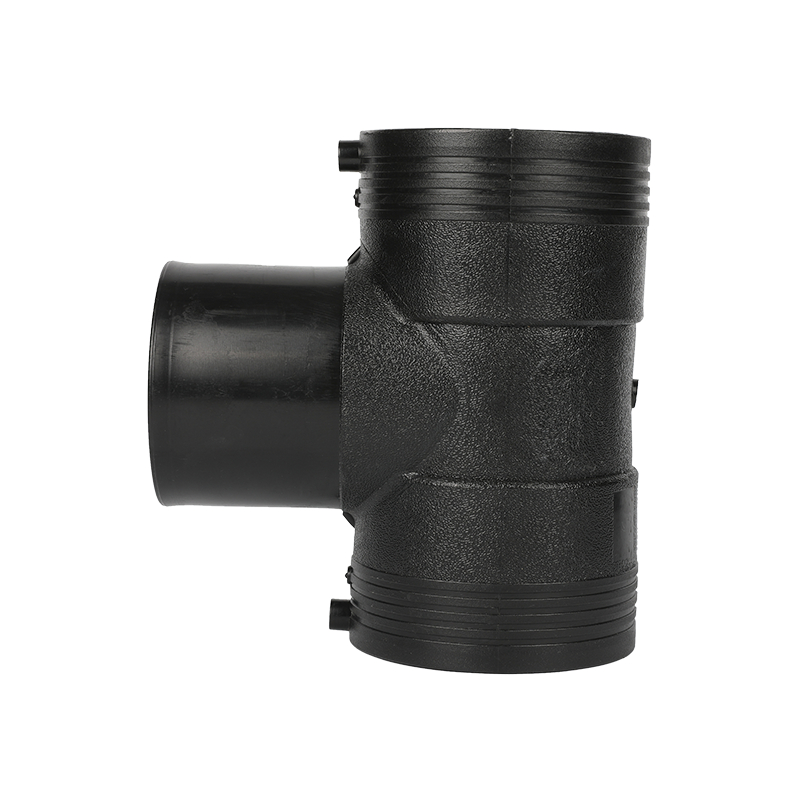
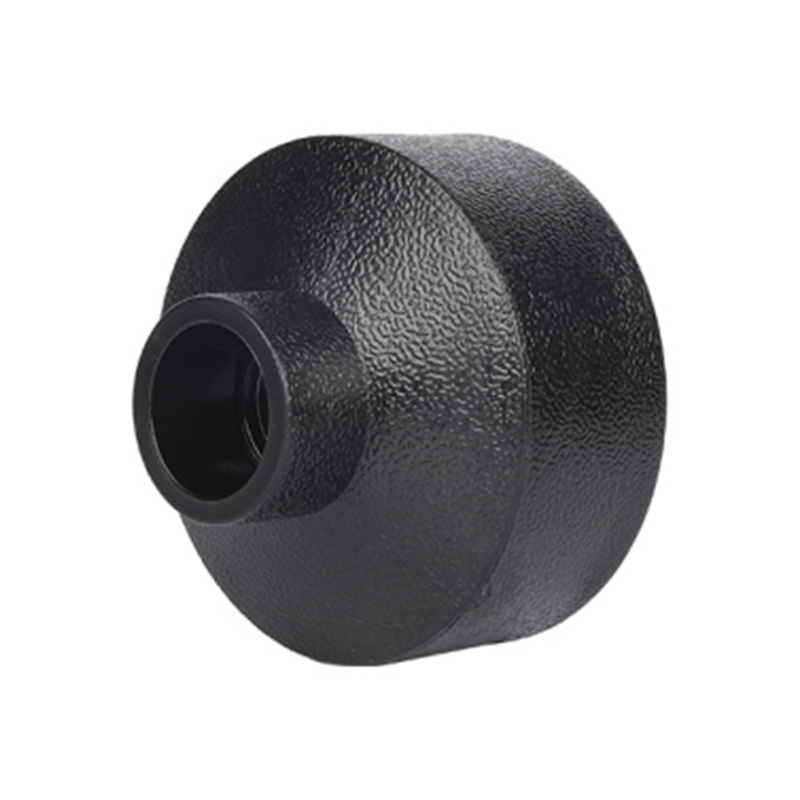
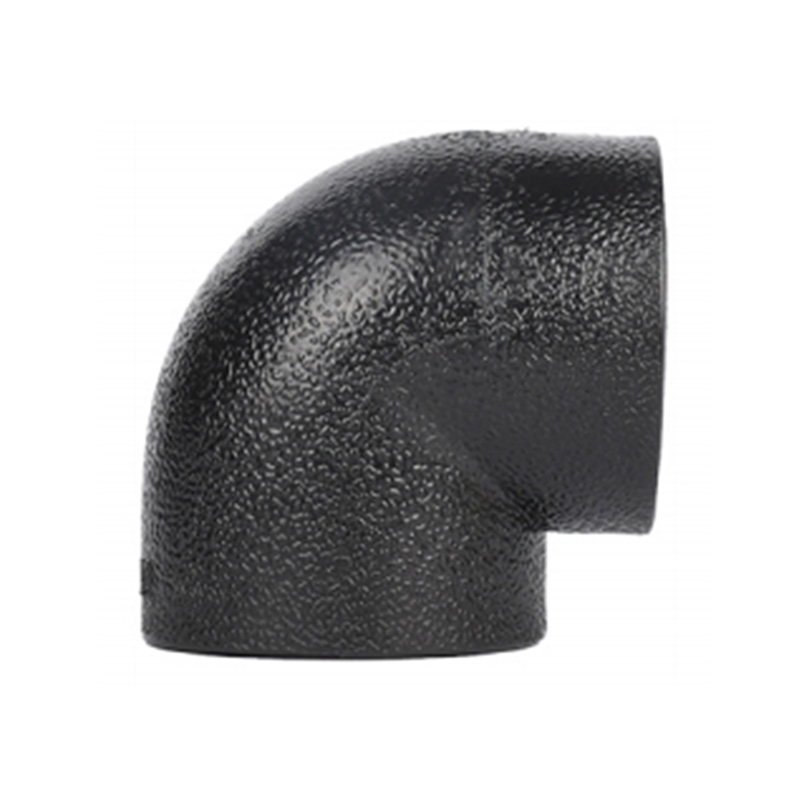
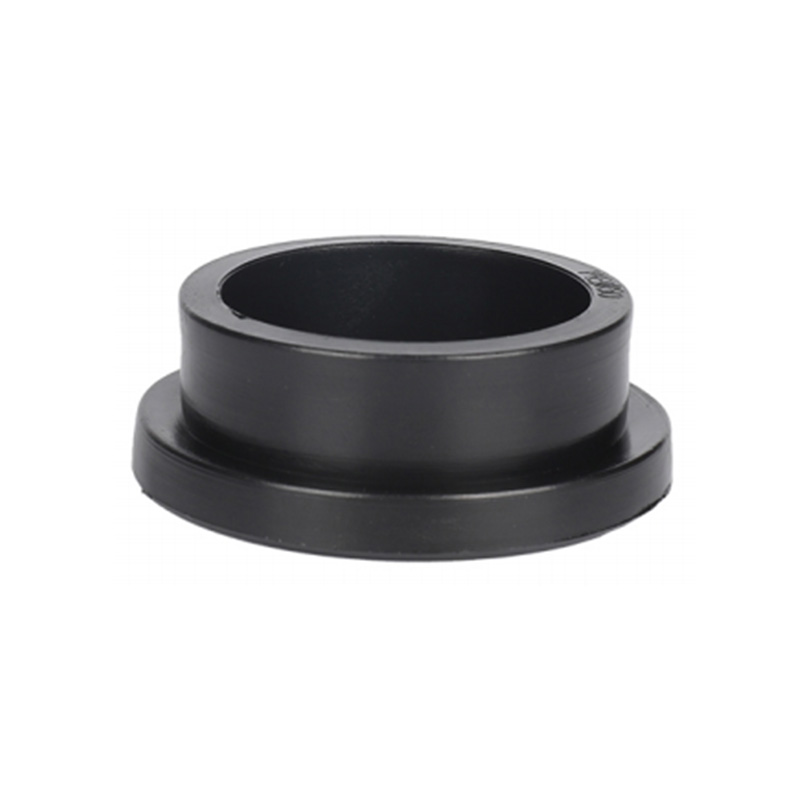
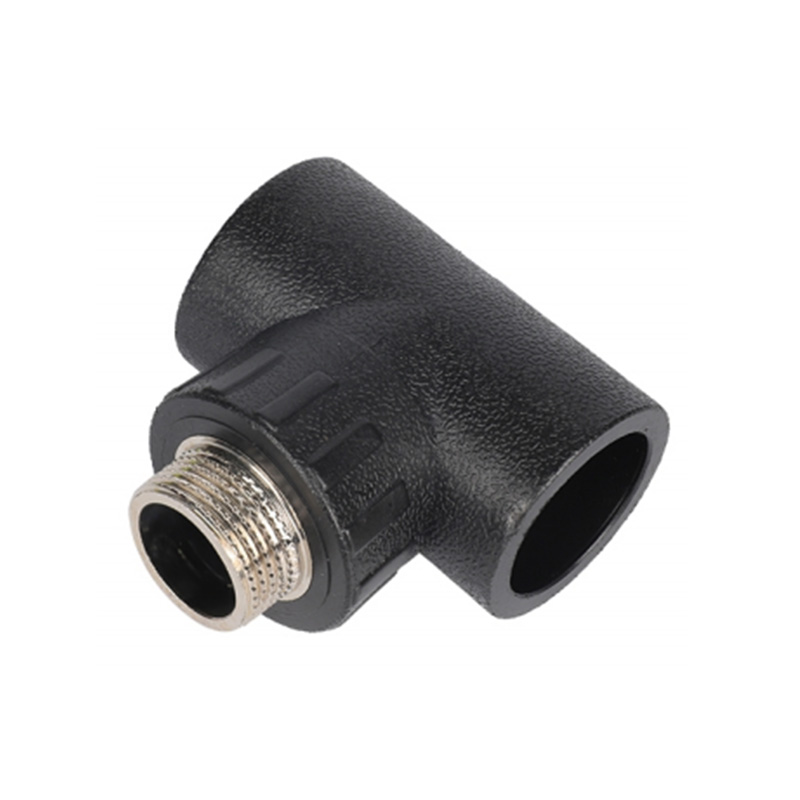
Butt fusion fittings
Stub ends, backing rings, reducers, tees and elbows sized for fused pressure mains.
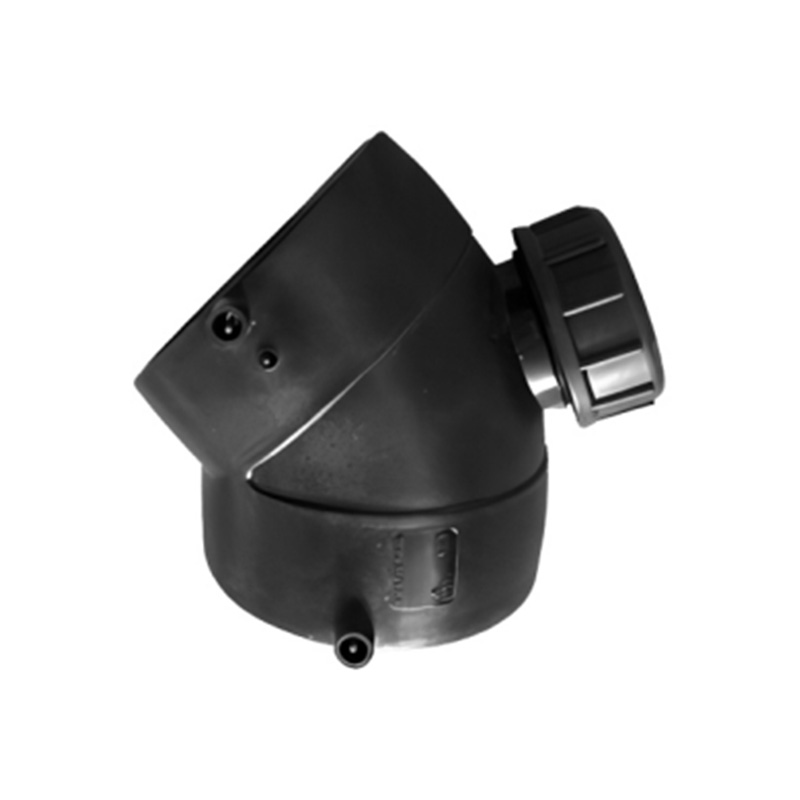
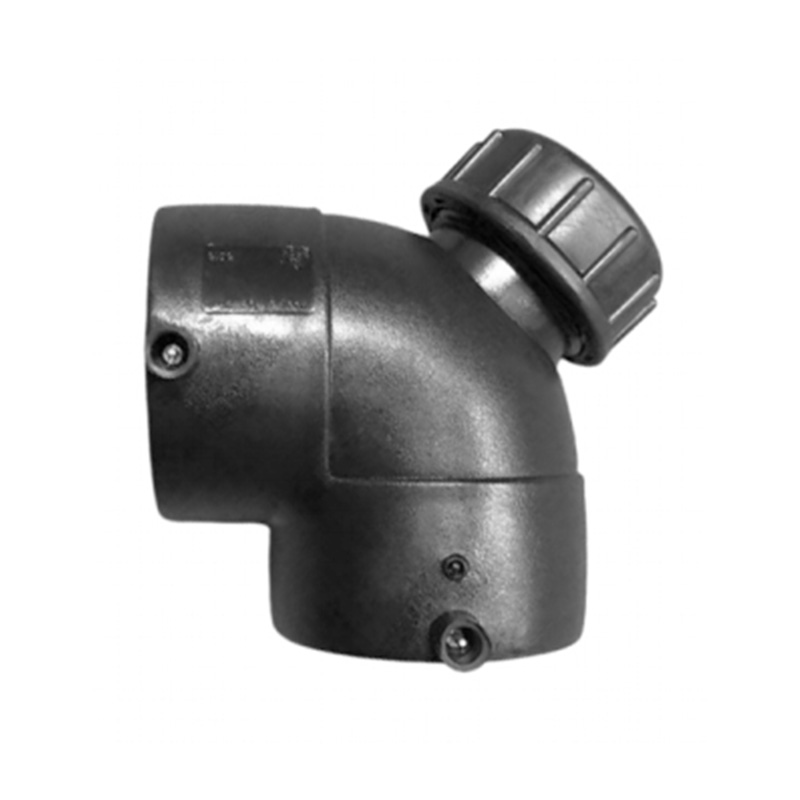
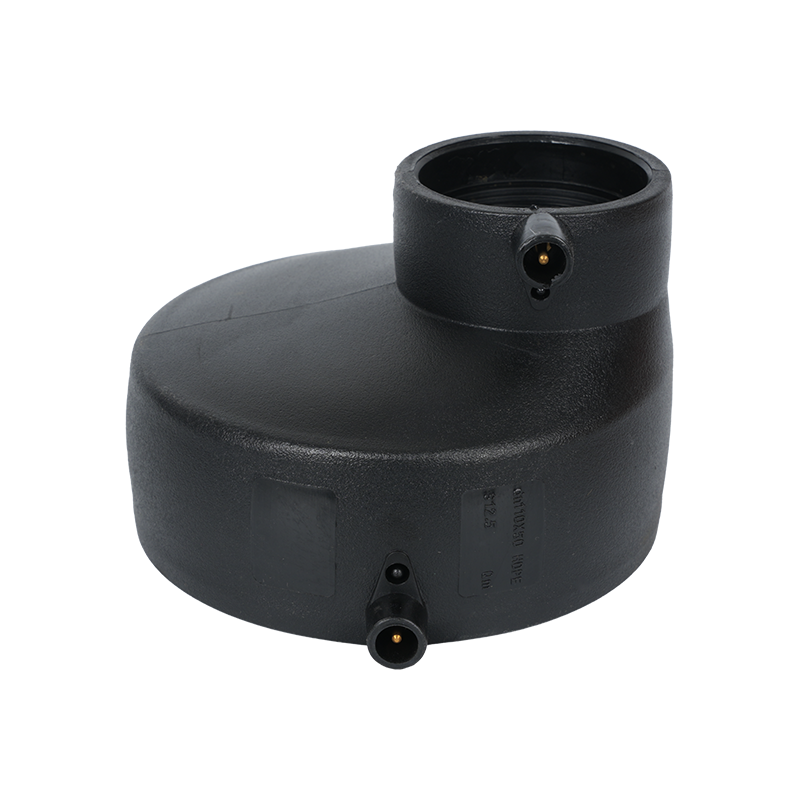
Electrofusion fittings
Couplers and saddles with machine-readable parameters for repairs, tie-ins and connections.
Socket fusion fittings
Couplers, elbows, tees and unions for small-diameter lines and PE-RT II systems.
PE-RT II pipes and fittings
Pipes with matching electrofusion and butt fusion fittings for hot water and industrial service.
Valves and compression fittings
PE and PP compression ranges, threaded fittings and valves for control and termination points.
Welding machines
Fusion equipment matched to our fitting ranges, so pressures and parameters arrive as one system.
Special applications round out the program: siphonic drainage fittings for building roof systems and the bracket systems used to build marine aquaculture cages, both of which lean on the same joining methods described in this guide. If you are planning a project, send us the diameters, pressure class and joint count, and we will recommend the fitting and machine combination that matches your crews and your site.
Frequently Asked Questions About Joining HDPE Pipes
What is the most common method of joining HDPE pipes?
Butt fusion, a heat fusion method, is the most common way to join HDPE pipe, especially for pipe-to-pipe connections on pressure mains. Electrofusion ranks second and dominates repairs and tight sites, while socket fusion handles small diameters and mechanical or flanged connections cover the points that must be dismantled.
Is a butt fusion joint really as strong as the pipe?
When the procedure is followed, yes. The joint becomes one homogeneous body of polyethylene, so tensile tests and burst tests normally fail in the pipe wall rather than at the weld. That equivalence depends entirely on correct facing, heating, changeover and cooling, which is why welding procedures and trained operators matter as much as the machine itself.
Can HDPE pipe be joined without welding?
Yes. Compression fittings, mechanical couplings and flange adapters all join HDPE without heat. They are legitimate choices for small services, temporary lines, repairs and equipment connections, but every one of them relies on seals or grip rings. For buried pressure mains, fusion remains the preferred permanent answer.
What is the difference between butt fusion and electrofusion?
Butt fusion melts the two pipe ends directly against a heater plate and joins them under hydraulic pressure, which suits long straight runs and large diameters. Electrofusion melts the fusion zone built into a fitting using a resistance wire driven by a control box, which suits repairs, small trenches and joints a carriage cannot reach. Many projects use both, each where it performs best.
What temperature is used for butt fusion?
Heater plate temperatures commonly fall in the 200 to 235 °C window, with the exact value and tolerance set by the standard the project follows; European practice typically centers near 220 °C, while other procedures specify somewhat lower plate temperatures. The controlling rule is simple: use the temperature, pressures and times given in the welding standard and machine documentation for the pipe's diameter and wall series.
How long must a fusion joint cool?
Long enough to reach handling strength under pressure, per the cooling table for the pipe size. Cooling periods scale with wall thickness, from minutes on small socket fusion joints to substantial periods on thick-walled large-diameter mains. Releasing the pressure early is one of the most common and most damaging shortcuts in the field.
What information should I give a supplier when requesting fittings?
Provide the pipe outside diameter, the wall series or pressure class, the governing standard, the medium and temperature, the approximate joint count and the site's power supply. With those details, a manufacturer can match the fitting range, the welding machines and the welding data to the project instead of quoting from a generic catalog page.
Key Takeaways
- Butt fusion is the most common method of joining HDPE pipes, chosen for its pipe-strength joints and low cost per connection across long pressure mains.
- Electrofusion, socket fusion and saddle fusion complete the fusion family, each covering the joints that a butt fusion machine handles poorly.
- Flange adapters and mechanical fittings are reserved for valves, equipment and repairs, where a detachable joint is worth its maintenance point.
- Joint quality depends on procedure discipline: facing, cleanliness, alignment, heating, changeover speed and full cooling under pressure.
- Sourcing pipes, fittings and welding machines from one manufacturer keeps pressures, parameters and compatibility in a single, accountable system.
KEEP IN TOUCH

About Us
Zhejiang Fengfeng Pipe Industry Co., Ltd. uses efficient single screw injection molding machines for high productivity and low energy use.
Products link
Contact
-

+86-19858193396
+86-13735359894 -

+86-0574-63555288
-

-

No. 21, Market Road, Diankou Town, Zhuji City, Shaoxing City, Zhejiang Province, China