


 English
 中文简体
 русский
HDPE Floating Wave Breakwater Manufacturers


HDPE Floating Wave Breakwater
HDPE breakwater bracket, characterized by its cost-effectiveness, serves as a floating barrier to deflect waves and currents, ensuring the safety of
aquaculture facilities.
Its applications extend to safeguarding critical coastlines, protecting coastal tourism infrastructure (including beaches), preserving leisure and sightseeing fishing spots, and providing defense for offshore drilling platforms and military installations, Additionally, it offers temporary shelter at offshore construction sites, thereby increasing operational capacity, reducing construction timelines, and optimizing project outcomes.
System Advantages:
Using brand new food-grade HDPE material as production raw materials. Environmentally friendly and safe, with high material strength, flexibility, impact resistance, and good corrosion resistance.
HDPE material is lightweight and has the characteristics of easy movement and good construction convenience.
With the right technical support, it can withstand frontal assaults from Seale 12 Typhoon, demonstrating robust resistance to wind and waves.

Technical Characteristics
Specifications
Box body: The production of l set of marine aquaculture cages is equivalent to that of 100 traditional eages.
Frame:
Made of HDPE synthetic material, characterized by high strength, corrosion resistance, and strong wind and wave resistance.
Buoyancy device: HDPE solid-wall hollow pipes
Scope of Application: Open waters from 15m to 50m deep
Seakeeping: Excellent resilience, strong seakeeping ability
Durability: Safely usable for 4-5 years
Environmental protection property: HDPE material, no pollutants produced, recyclable
Safety: Equipped with safety guardrails for protection
Application property: Able to be customized in size
Economic efficiency: Superior durability with lower costs
Efficiency: Large-scale aquaculture, fast fish production, high product quality


About Us
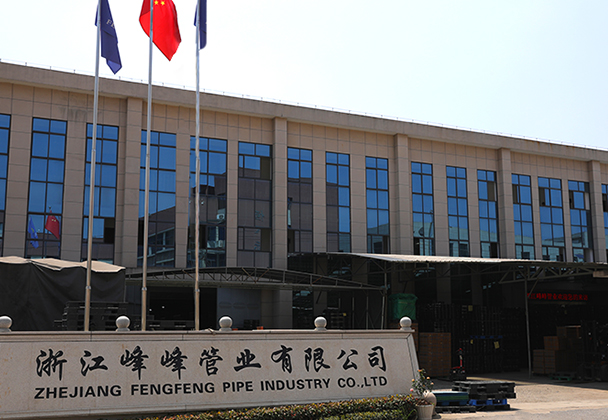
Zhejiang Fengfeng Pipe Industry Co., Ltd.
Zhejiang Fengfeng Pipe Industry Co., Ltd. is Wholesale HDPE Floating Wave Breakwater Manufacturers and OEM HDPE Floating Wave Breakwater Suppliers, which is an industrial company integrating design, manufacturing, marketing, and service. The company was established in 2002 and is located in Diankou, Zhuji Industrial Zone, the beautiful hometown of Xishi. It is within the coverage of the Yangtze River Delta Economic Belt. The transportation of the company is convenient, allowing direct access to Shanghai Port and Ningbo Port via the Zhejiang-Jiangxi Railway and the Hang-Jin-Qu Expressway. It is only a half-hour drive from Xiaoshan International Airport. Since the establishment of the factory, we have taken "integrity management, mutual benefit, and win-win" as our business purpose. The production of pipes and pipe fittings adopts a variety of advanced and high-tech production equipment imported from abroad. All products are produced in accordance with the international quality management system ISO9001:2000 standard and the international environmental management system ISO14001 standard. Product quality is underwritten by PICC. Our pipes and fittings have a lifespan of over 50 years. The main brand products are PP-R pipes and pipe fittings, PP-R glass fiber pipes, PP-R aluminum-plastic pipes, PE-RT floor heating pipes, PE electric melting pipe fittings (50-1200mm), aluminum-plastic pipes, brass pipe fittings, plumbing hoses, and more. The company has a group of high-quality professionals and marketing service personnel and has developed a nationwide sales network. Additionally, products are also exported to Europe, the United States, Southeast Asia, and the Middle East. Let us be honest and create the future together.
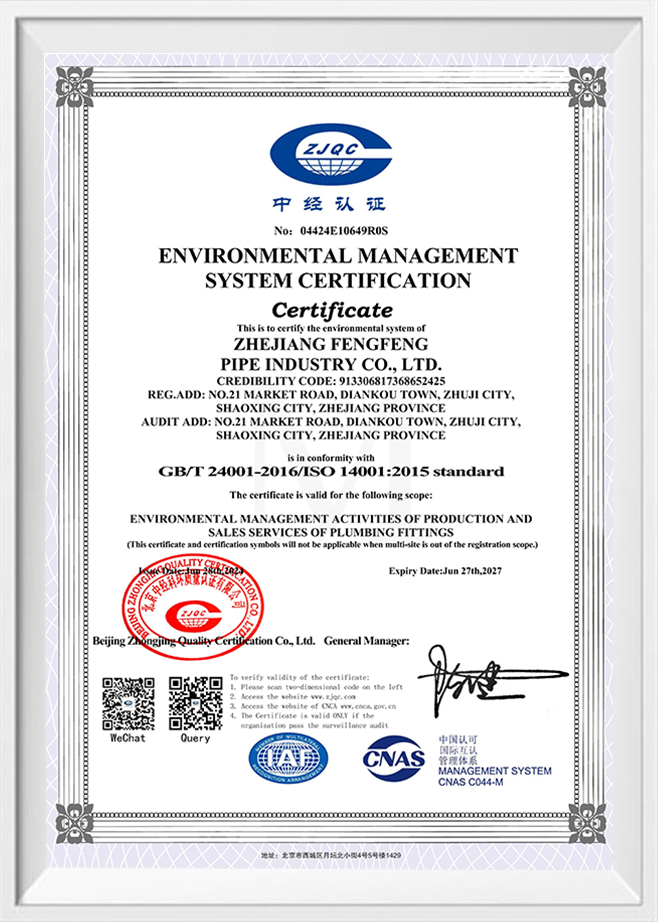
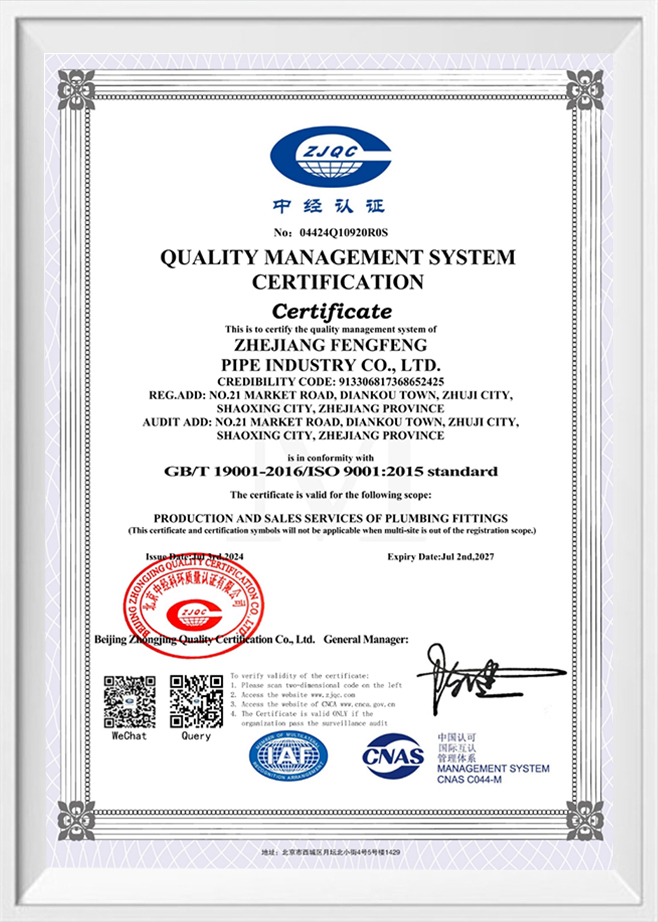
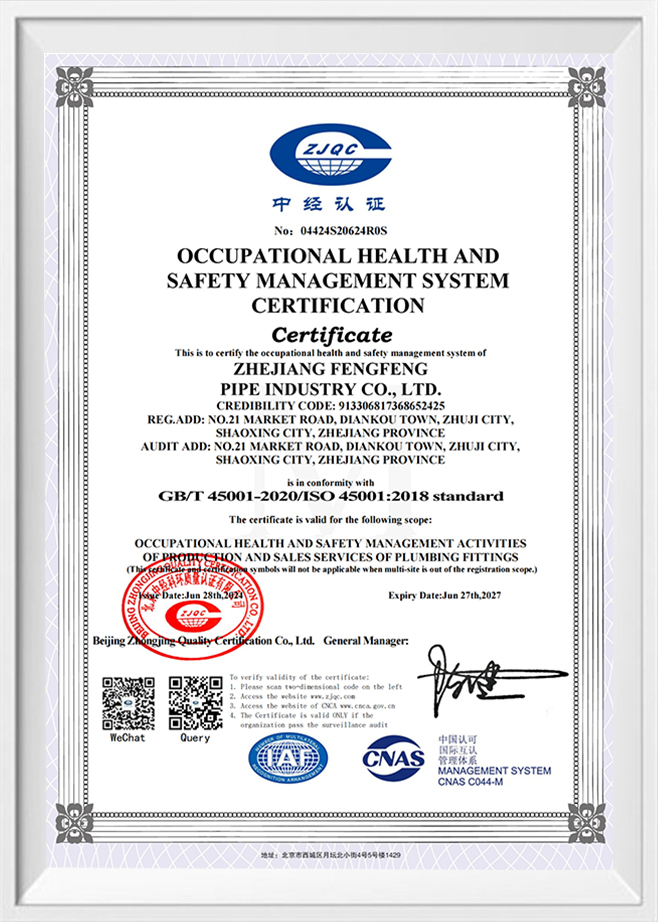
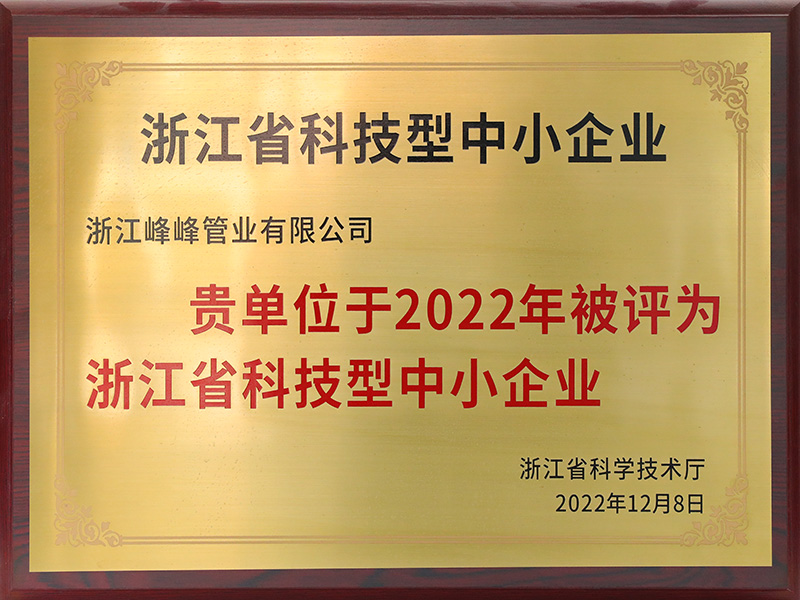
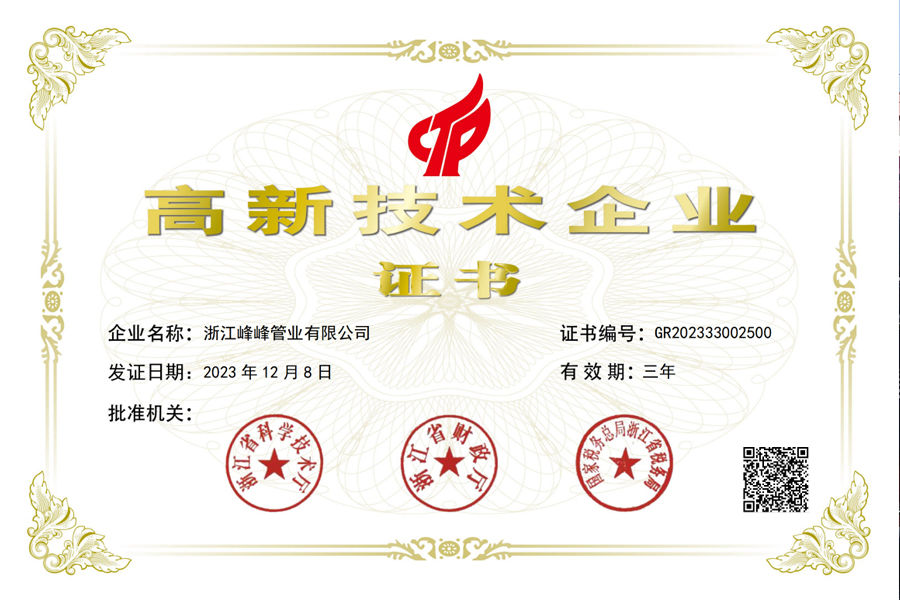
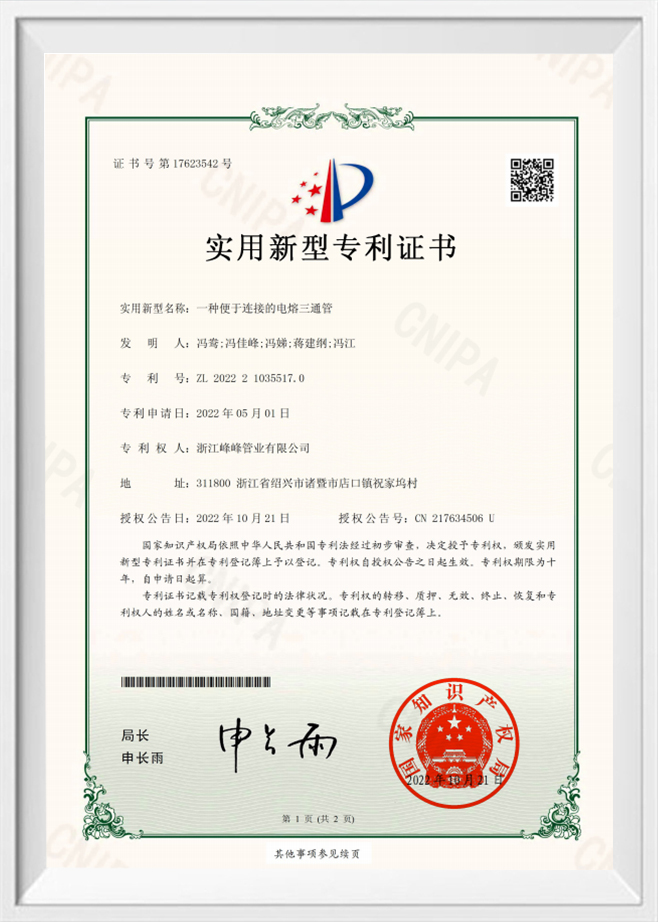
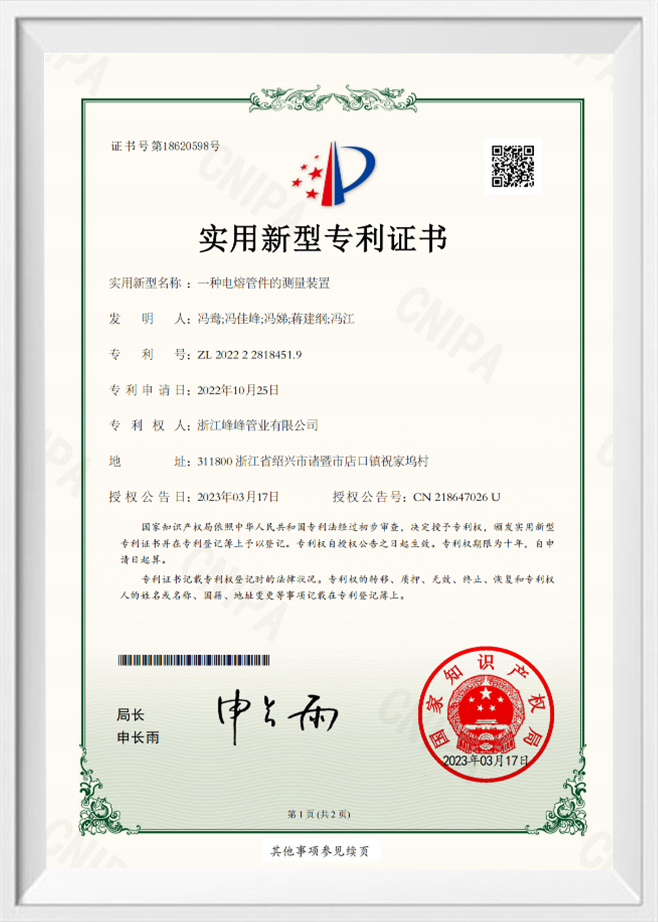
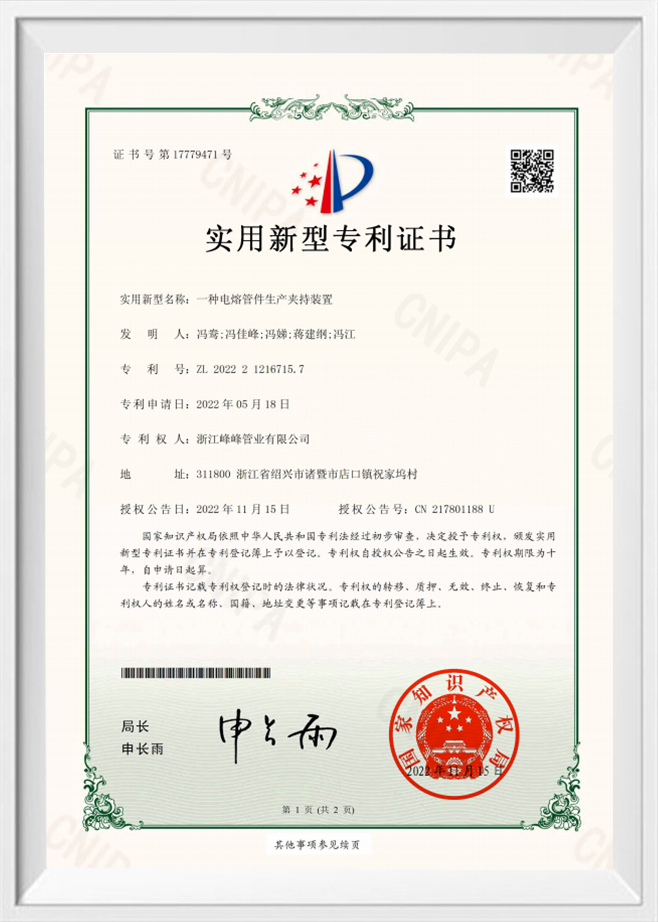
Certificate Of Honor
News
-
Start with the roof drain, not the pipe The roof drain sets the hydraulic limit of a siphonic system; the pipe only follows it. On a large flat roof, a small change at the outlet—grate open area, sum...
READ MORE -
Electrofusion vs Butt Fusion: The Verdict Before the Detail Electrofusion wins when the pipe cannot move, when the trench is tight, when the diameter sits between 20 mm and 250 mm, or when the joint ...
READ MORE -
The Leak Starts Before the Wrench Turns A leaking HDPE compression fitting is usually not a failed fitting. It is a failed interface between the pipe, the seal, the nut, and the installer's hand. The...
READ MORE
KEEP IN TOUCH

About Us
Zhejiang Fengfeng Pipe Industry Co., Ltd. uses efficient single screw injection molding machines for high productivity and low energy use.
Products link
Contact
-

+86-19858193396
+86-13735359894 -

+86-0574-63555288
-

-

No. 21, Market Road, Diankou Town, Zhuji City, Shaoxing City, Zhejiang Province, China