


 English
 中文简体
 русский
PE & PP Compression Fittings-90° Elbow Manufacturers


PE & PP Compression Fittings-90° Elbow
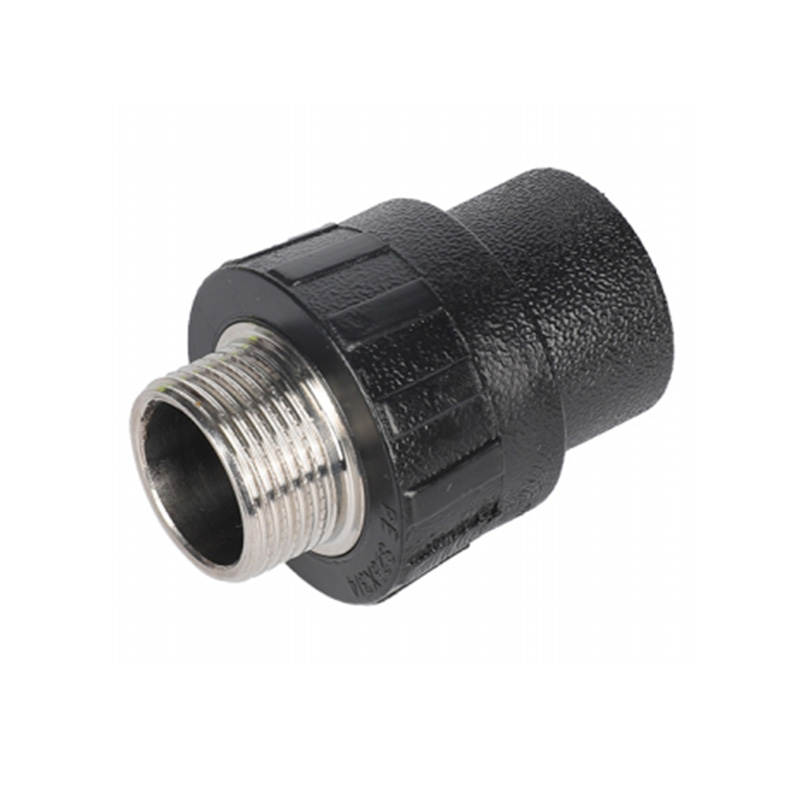
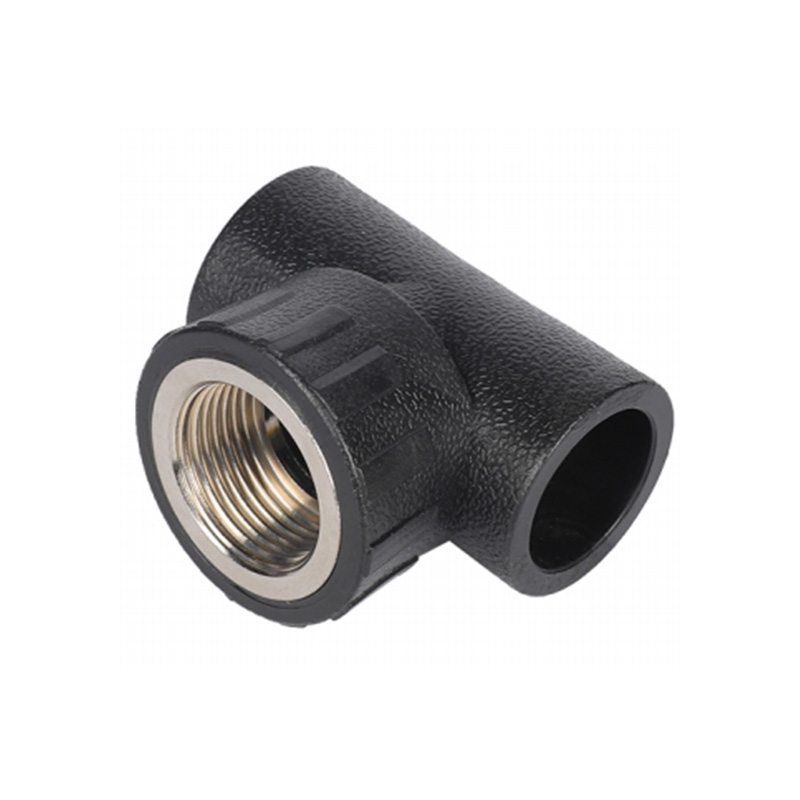
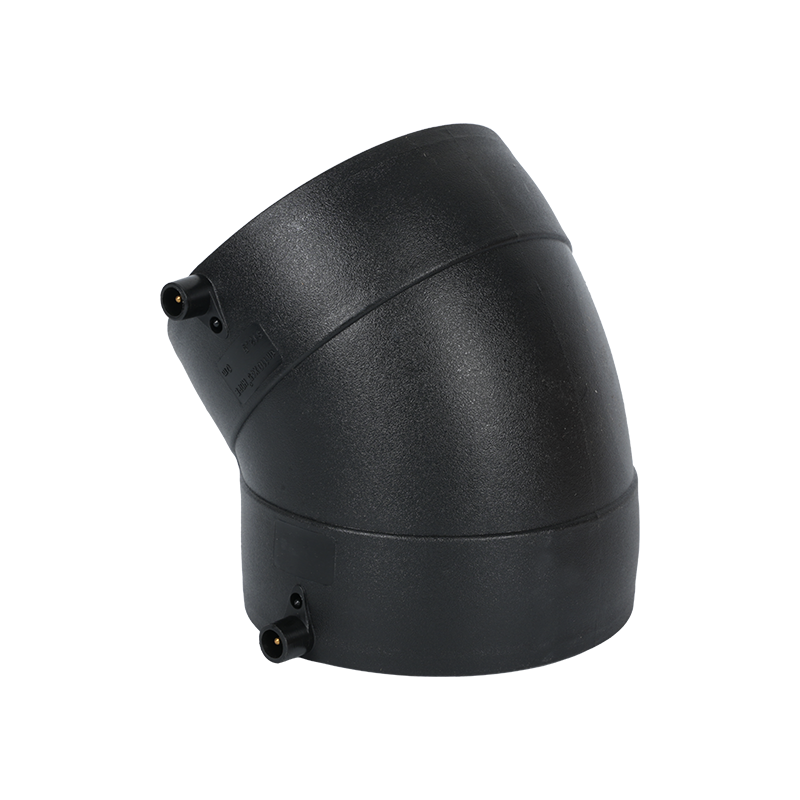
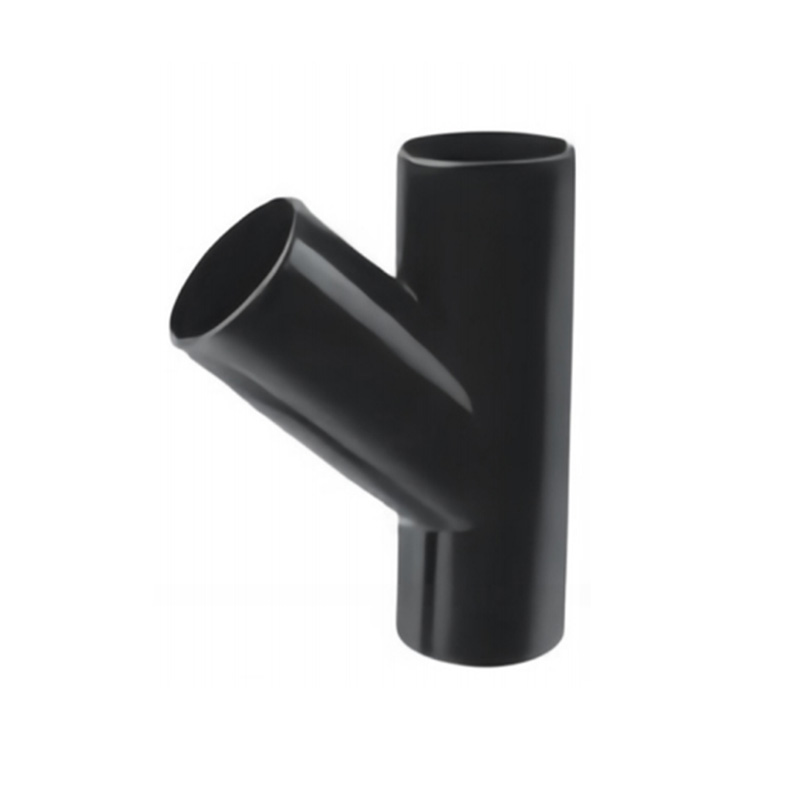
Zhejiang Fengfeng Pipe Industy's PE & PP Compression Fittings - 90° Elbow are commonly used in piping systems made from Polyethylene (PE) and Polypropylene (PP), which are both durable, chemical-resistant thermoplastics. These fittings are designed to provide secure, leak-free connections for fluid and gas transportation in a variety of applications, especially in water supply, drainage, and irrigation systems. Here's an explanation of the components:

Technical Characteristics
Key Features:
PE (Polyethylene): A widely used thermoplastic polymer that is resistant to chemicals, corrosion, and impact. It is commonly used in piping systems due to its durability, flexibility, and ease of installation.
PP (Polypropylene): Another thermoplastic polymer, often used for its higher temperature resistance and superior chemical resistance. It is particularly useful in systems where exposure to harsh chemicals or high temperatures is common.
Compression Fittings: These are fittings that connect two pipes using a compression mechanism. Compression fittings consist of several components, including the body, nut, and an O-ring or sealing element. When the nut is tightened onto the fitting body, it compresses the O-ring or seal to create a tight, leak-proof connection. These fittings do not require heat or welding to assemble, making them a popular choice for quick and reliable installations.
90° Elbow: This fitting is shaped like an "L" and is used to change the direction of the pipe by 90 degrees (either from horizontal to vertical or from one horizontal direction to another). It's a standard fitting in any piping system where a change in flow direction is required. The 90° angle allows for a sharp bend without compromising the integrity of the pipe.
Applications:
Water and Gas Supply: For both residential and commercial applications, these elbows are commonly used to change direction in water or gas pipelines.
Irrigation Systems: The 90° elbow fittings are often used in irrigation networks to direct water flow around obstacles or corners.
Wastewater and Drainage Systems: Compression elbows can be used in drainage systems where bends are needed to navigate around infrastructure.
Advantages:
Easy Installation: Compression fittings are simple to install and don’t require specialized tools or equipment.
Leak-Proof Connections: When installed correctly, compression fittings provide a secure, leak-free connection.
No Welding Required: Unlike other types of plastic fittings that require welding or heat fusion, compression fittings can be used without the need for external heat, making them more versatile and faster to install.
Durability: Both PE and PP are resistant to environmental stress, chemicals, and UV rays, which makes these fittings suitable for outdoor and underground use.
Specifications
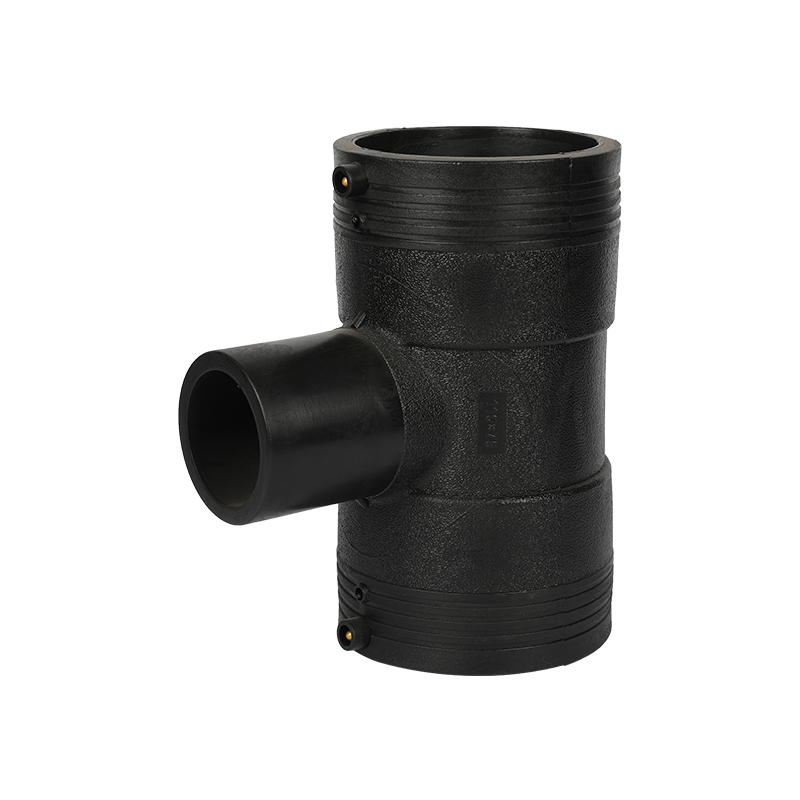
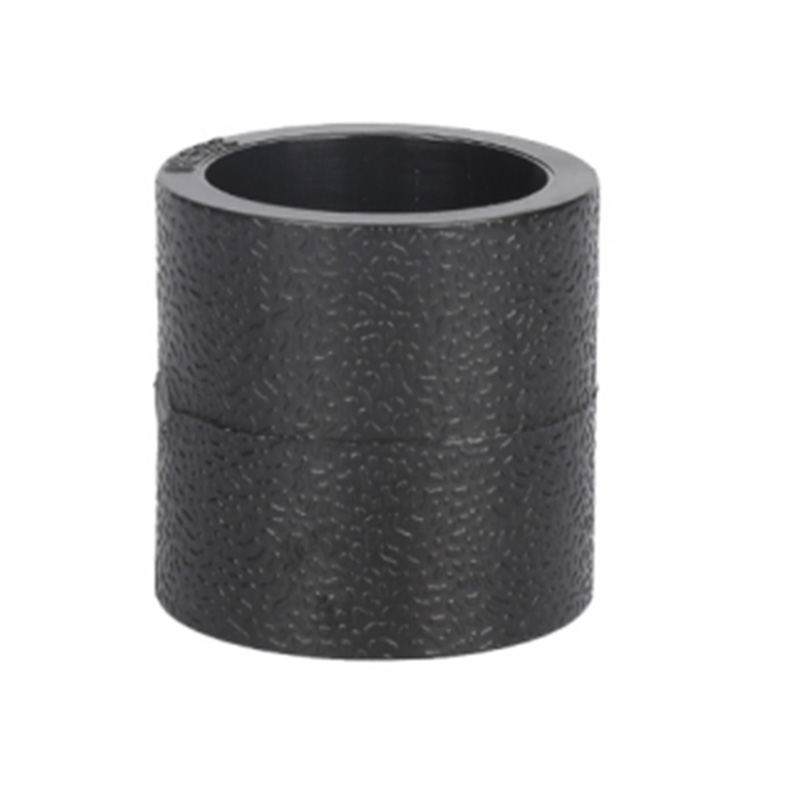
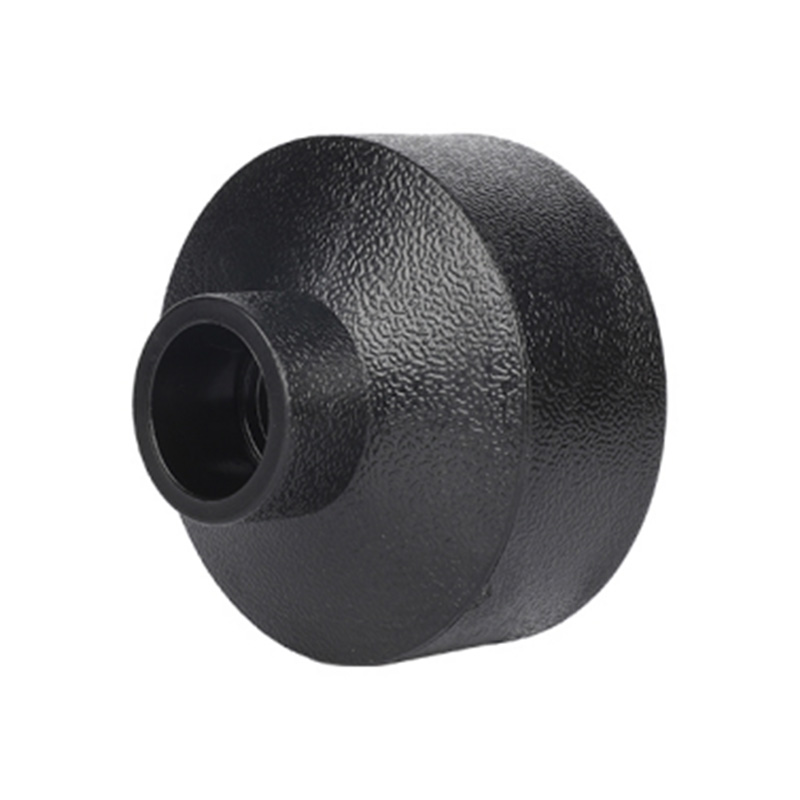
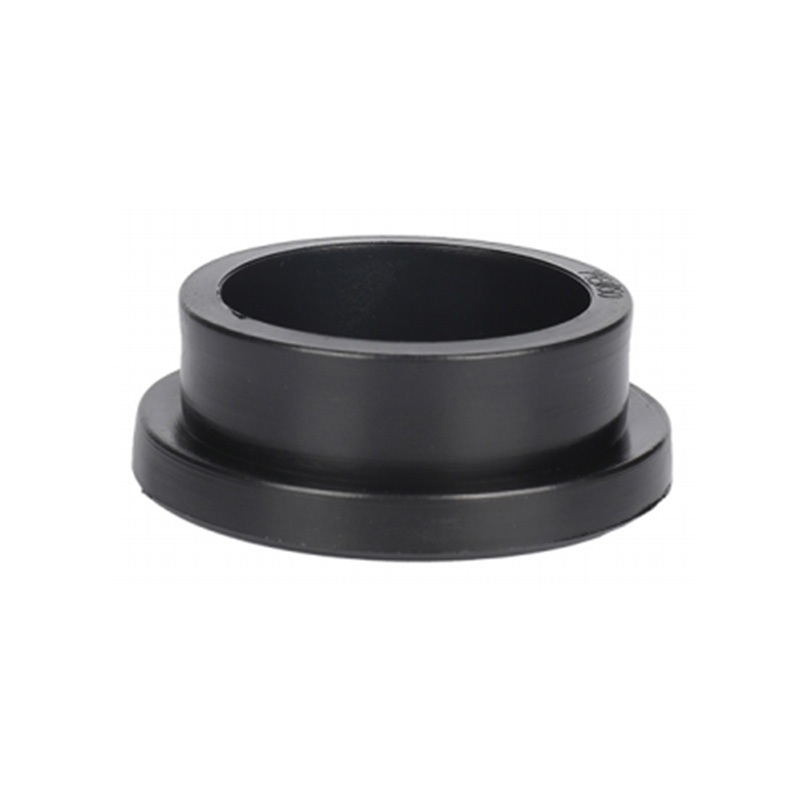
About Us
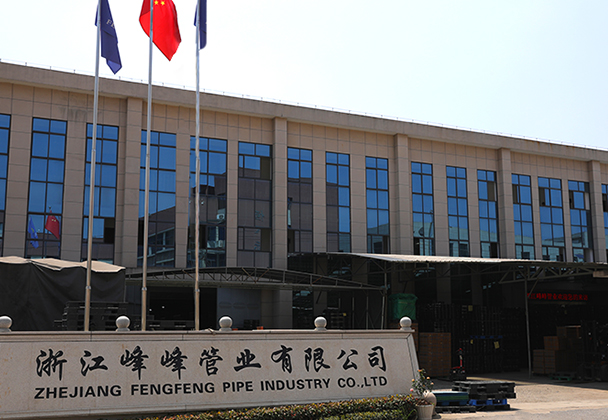
Zhejiang Fengfeng Pipe Industry Co., Ltd.
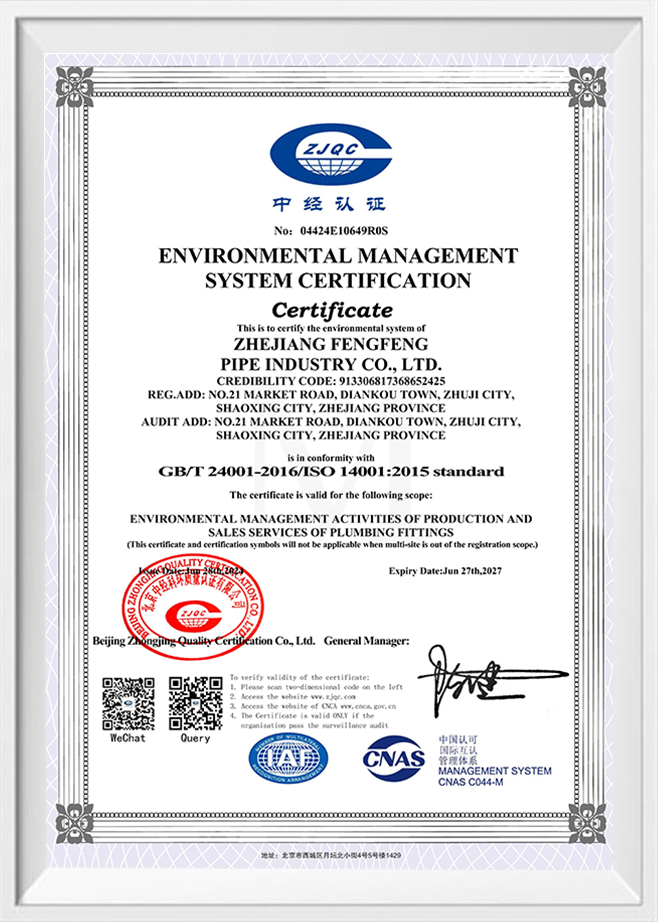
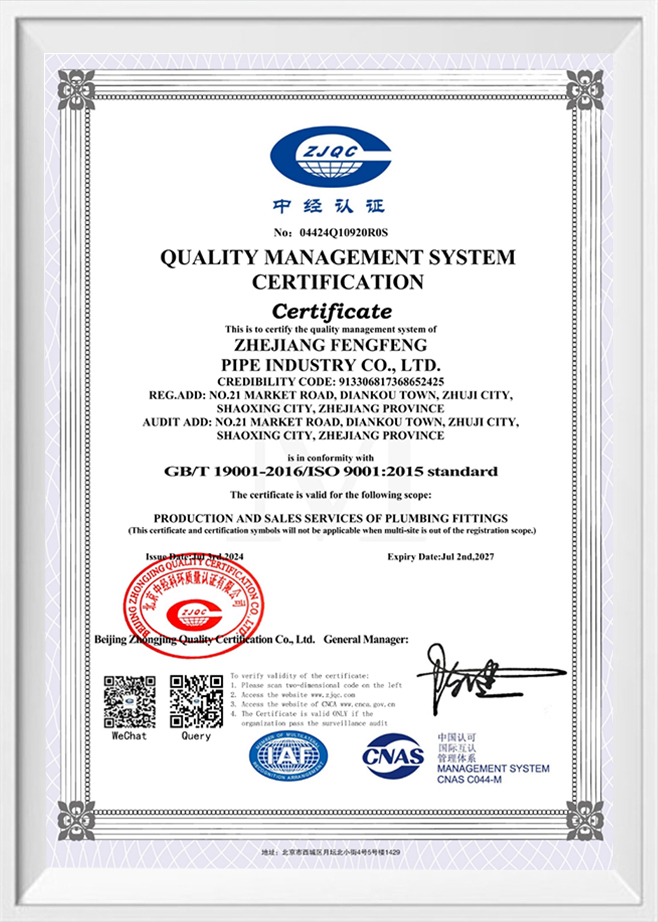
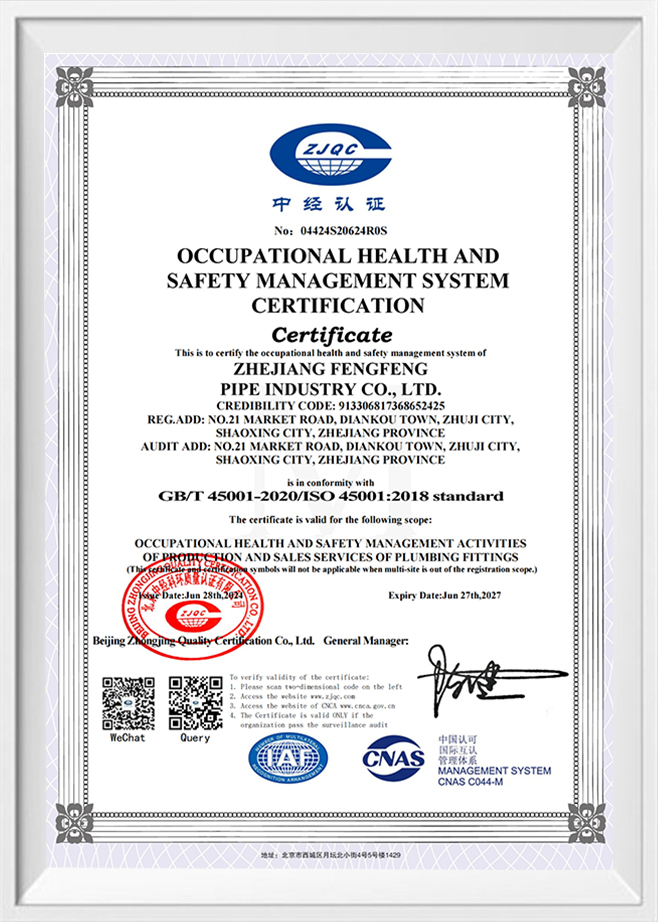
Zhejiang Fengfeng Pipe Industry Co., Ltd. is Wholesale PE & PP Compression Fittings-90° Elbow Manufacturers and OEM PE & PP Compression Fittings-90° Elbow Suppliers, which is an industrial company integrating design, manufacturing, marketing, and service. The company was established in 2002 and is located in Diankou, Zhuji Industrial Zone, the beautiful hometown of Xishi. It is within the coverage of the Yangtze River Delta Economic Belt. The transportation of the company is convenient, allowing direct access to Shanghai Port and Ningbo Port via the Zhejiang-Jiangxi Railway and the Hang-Jin-Qu Expressway. It is only a half-hour drive from Xiaoshan International Airport. Since the establishment of the factory, we have taken "integrity management, mutual benefit, and win-win" as our business purpose. The production of pipes and pipe fittings adopts a variety of advanced and high-tech production equipment imported from abroad. All products are produced in accordance with the international quality management system ISO9001:2000 standard and the international environmental management system ISO14001 standard. Product quality is underwritten by PICC. Our pipes and fittings have a lifespan of over 50 years. The main brand products are PP-R pipes and pipe fittings, PP-R glass fiber pipes, PP-R aluminum-plastic pipes, PE-RT floor heating pipes, PE electric melting pipe fittings (50-1200mm), aluminum-plastic pipes, brass pipe fittings, plumbing hoses, and more. The company has a group of high-quality professionals and marketing service personnel and has developed a nationwide sales network. Additionally, products are also exported to Europe, the United States, Southeast Asia, and the Middle East. Let us be honest and create the future together.
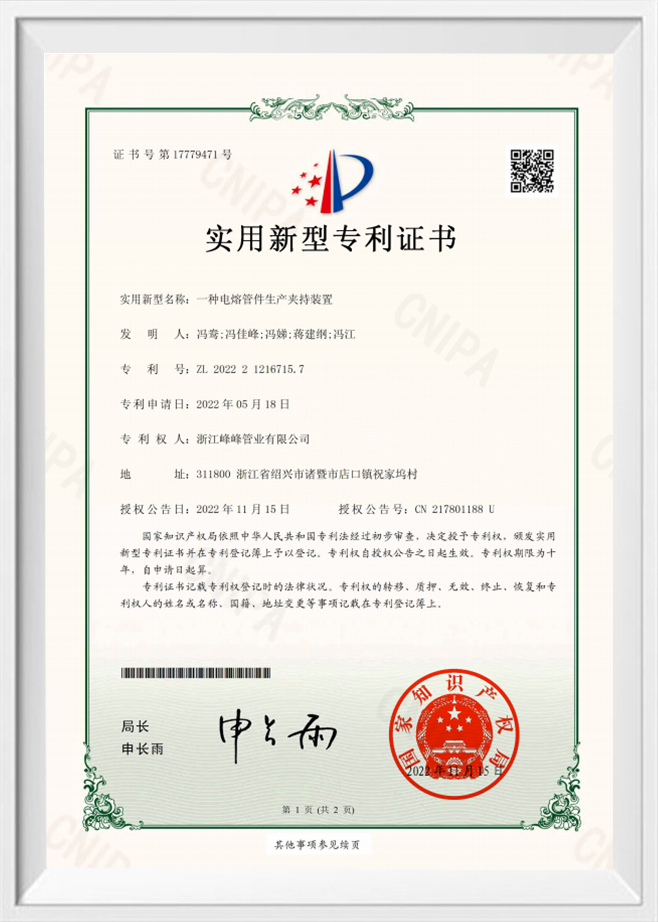
Certificate Of Honor
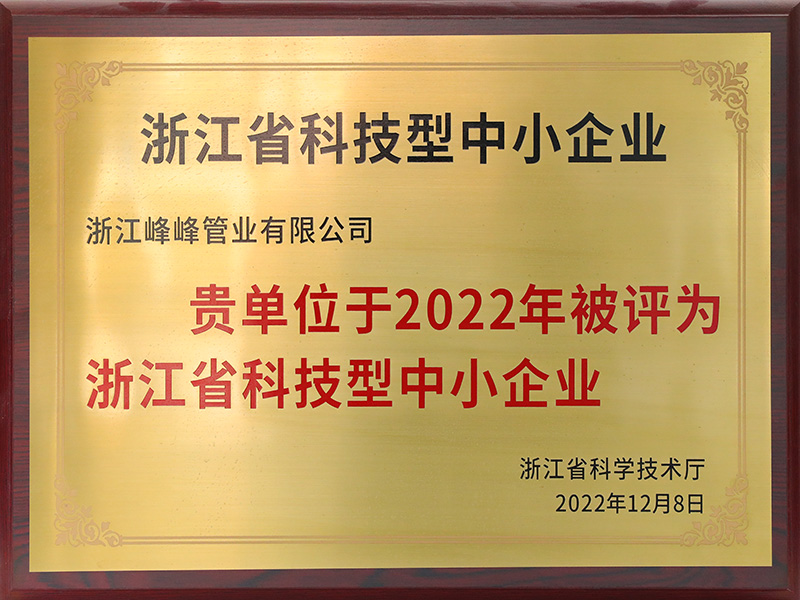
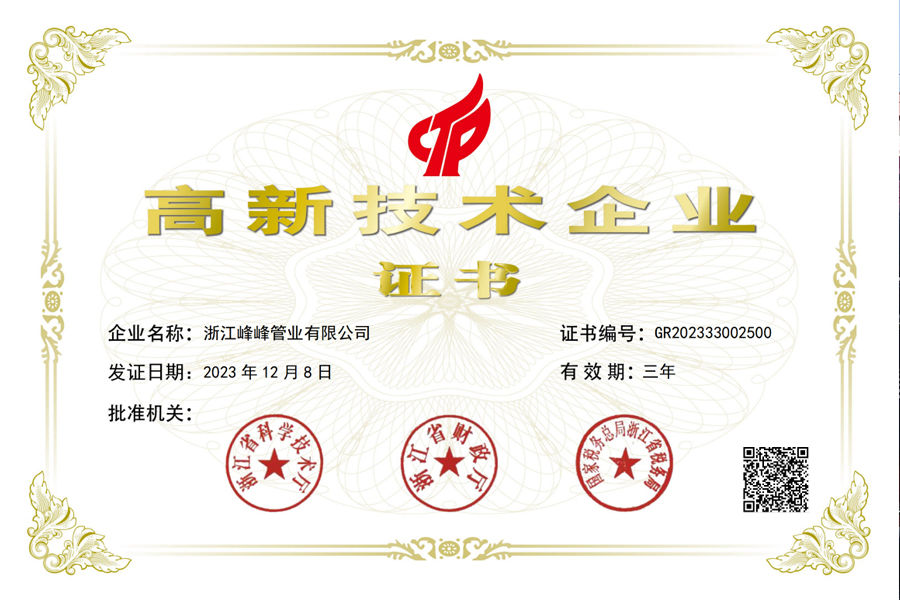
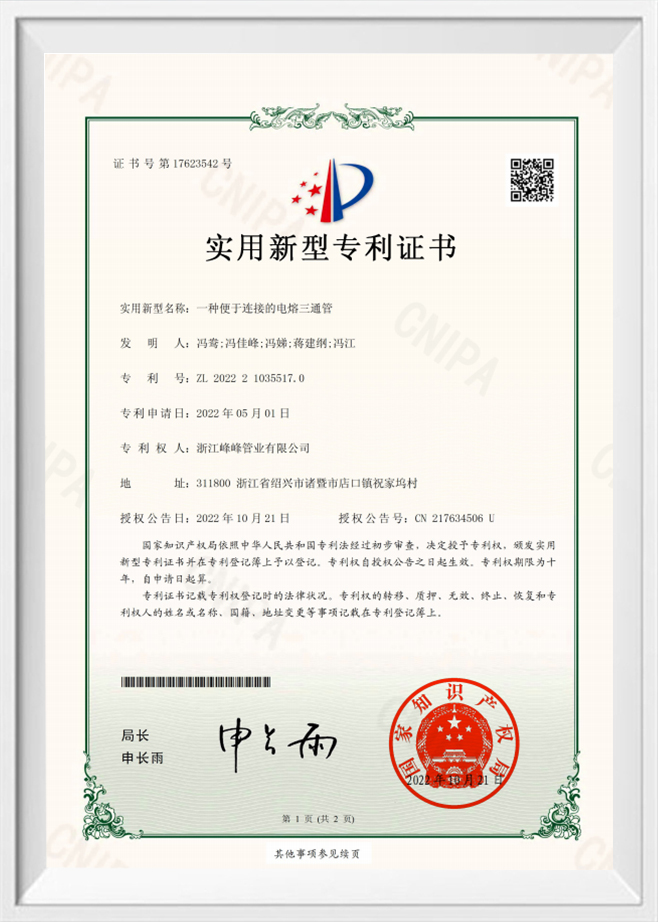
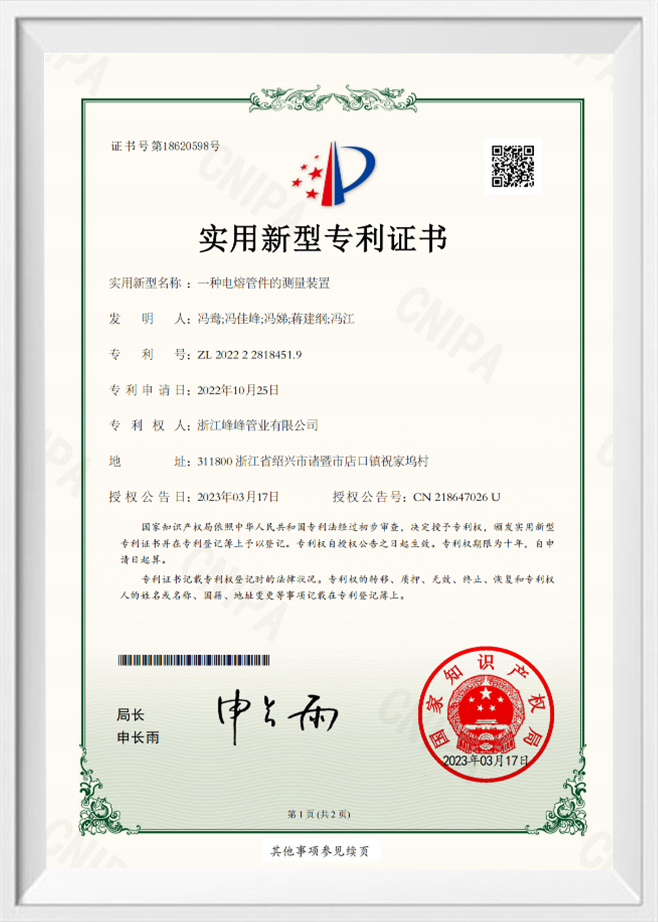
News
-
.article-section{background:#ffffff;color:#333333;padding:8px 24px 32px;margin-bottom:24px;border-bottom:1px solid #f0f0f0;font-family:Arial,Helvetica,sans-serif;box-sizing:border-box;} .article-...
READ MORE -
The direct answer: HDPE is stronger in impact, fatigue, and joint integrity; PVC is stronger in stiffness If “stronger” means resistance to cracking, ground movement, water hammer, and repeated surge...
READ MORE -
A procurement manager at a municipal water project stares at the delivery schedule: the mainline pipe has arrived as HDPE PE100, but the approved fittings list on the table reads PVC-U socket fitting...
READ MORE
KEEP IN TOUCH

About Us
Zhejiang Fengfeng Pipe Industry Co., Ltd. uses efficient single screw injection molding machines for high productivity and low energy use.
Products link
Contact
-

+86-19858193396
+86-13735359894 -

+86-0574-63555288
-

-

No. 21, Market Road, Diankou Town, Zhuji City, Shaoxing City, Zhejiang Province, China