


 English
 中文简体
中文简体 русский
EF Reducing Tee Manufacturers

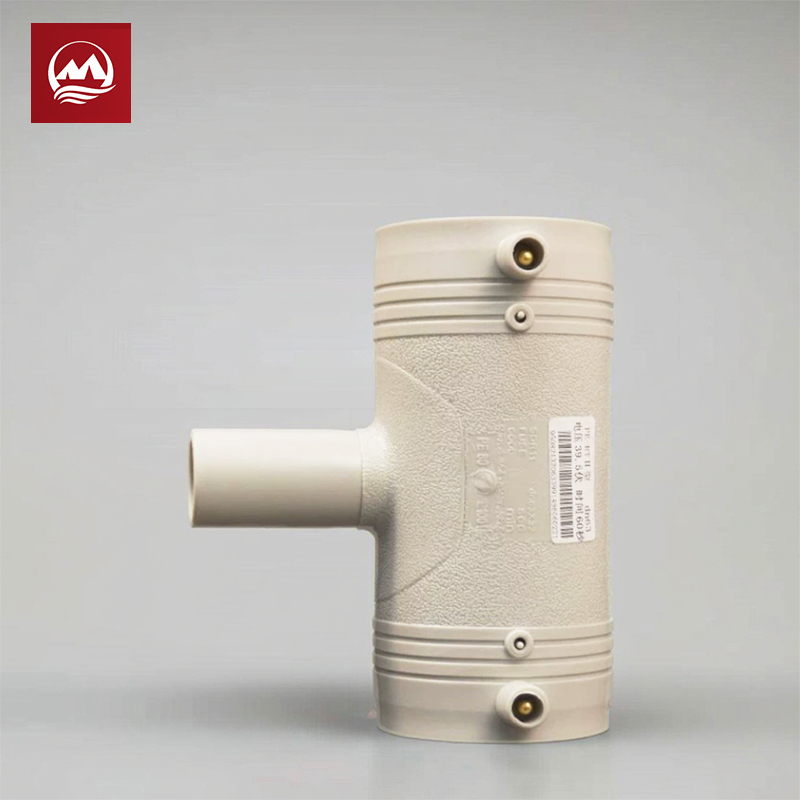
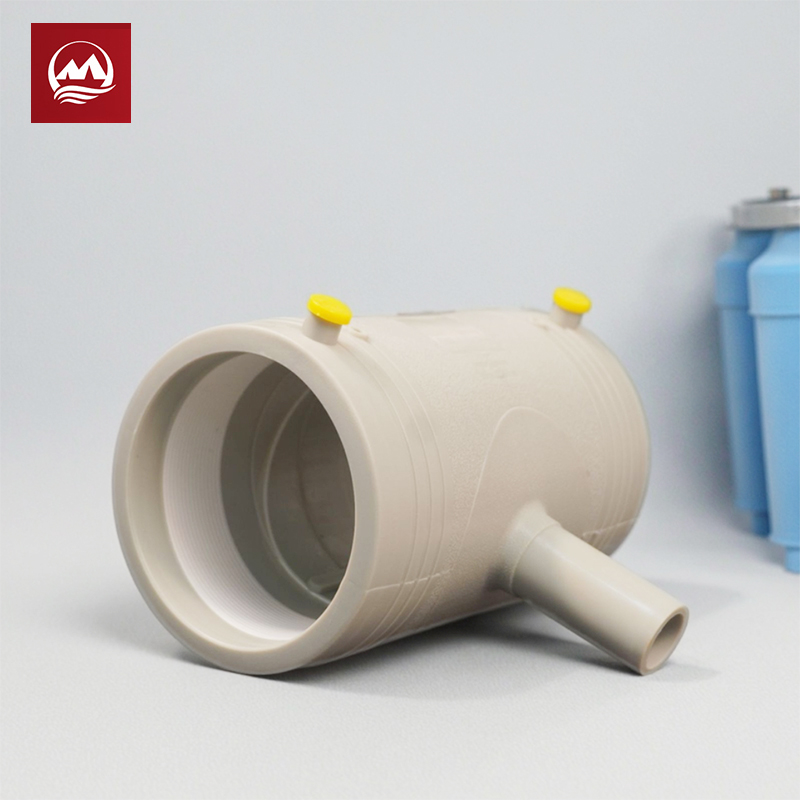
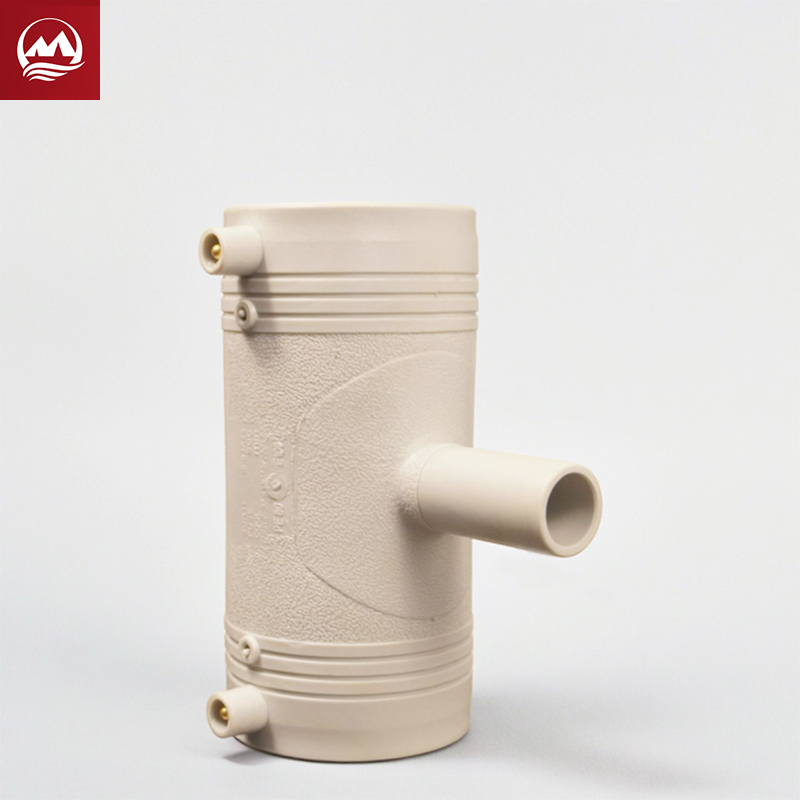
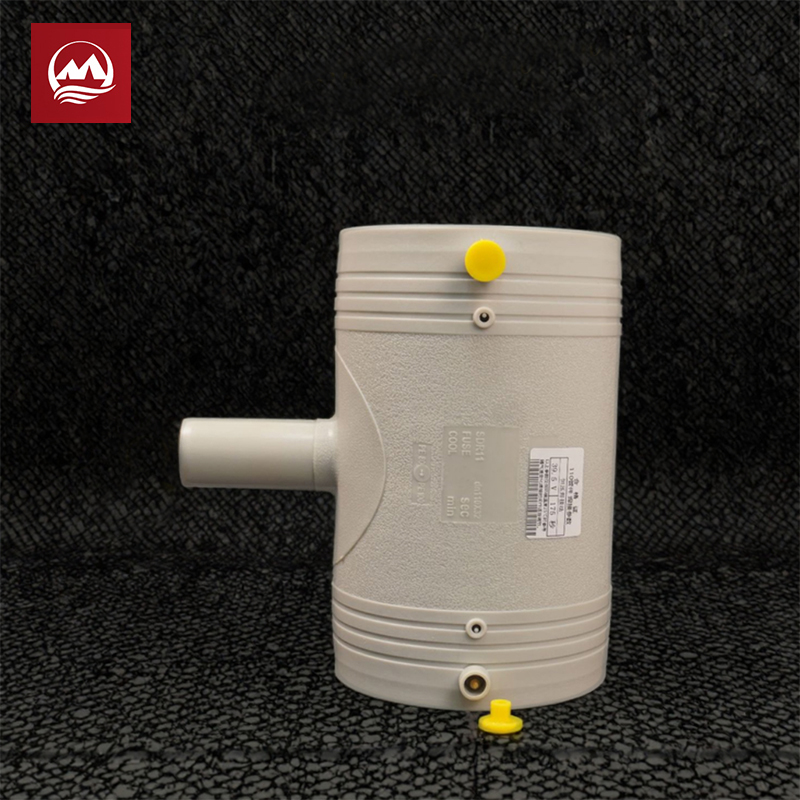
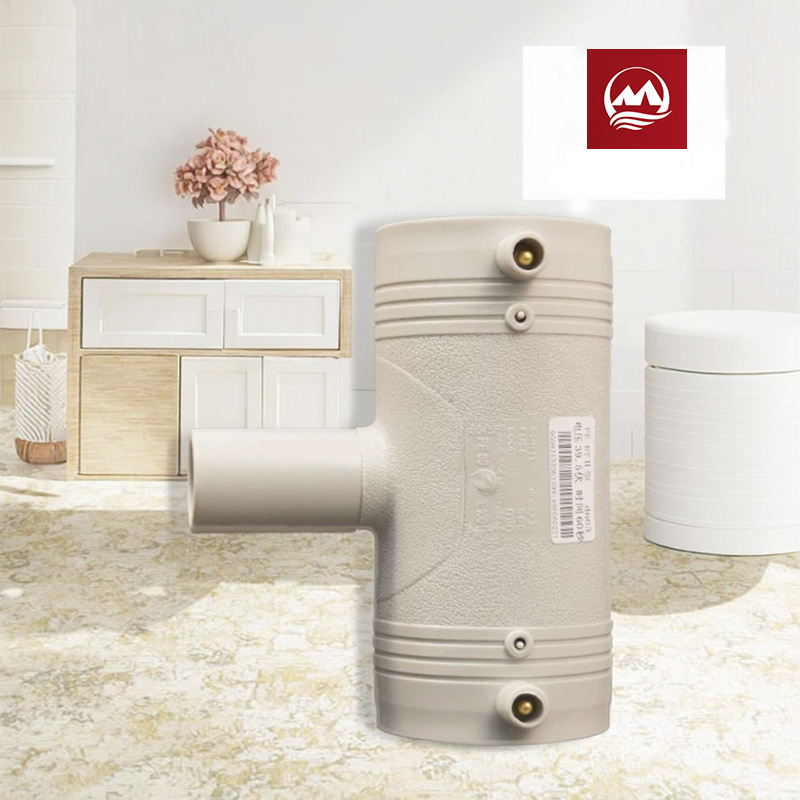
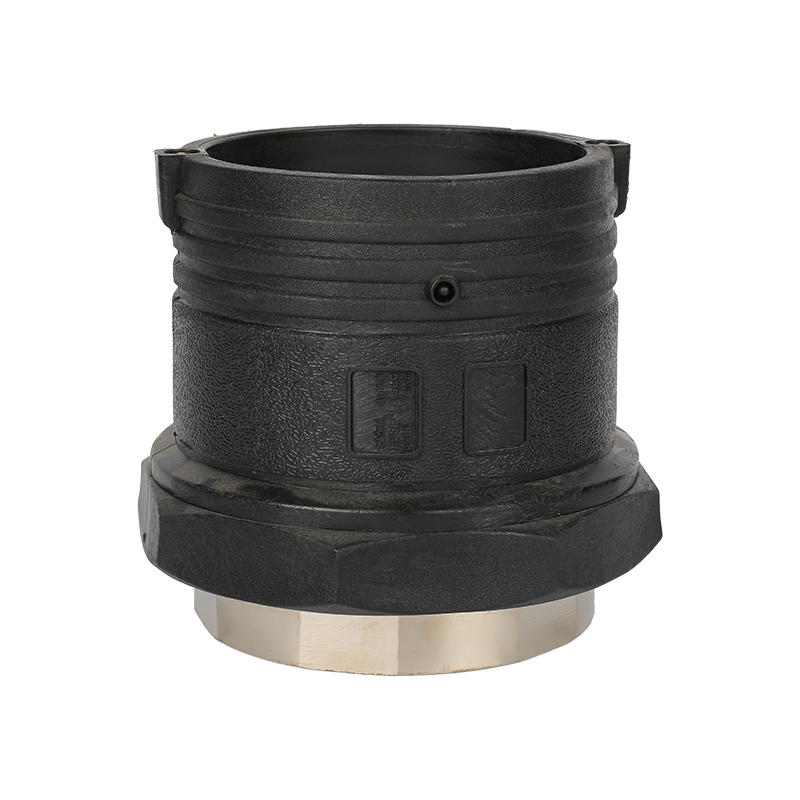
EF Reducing Tee
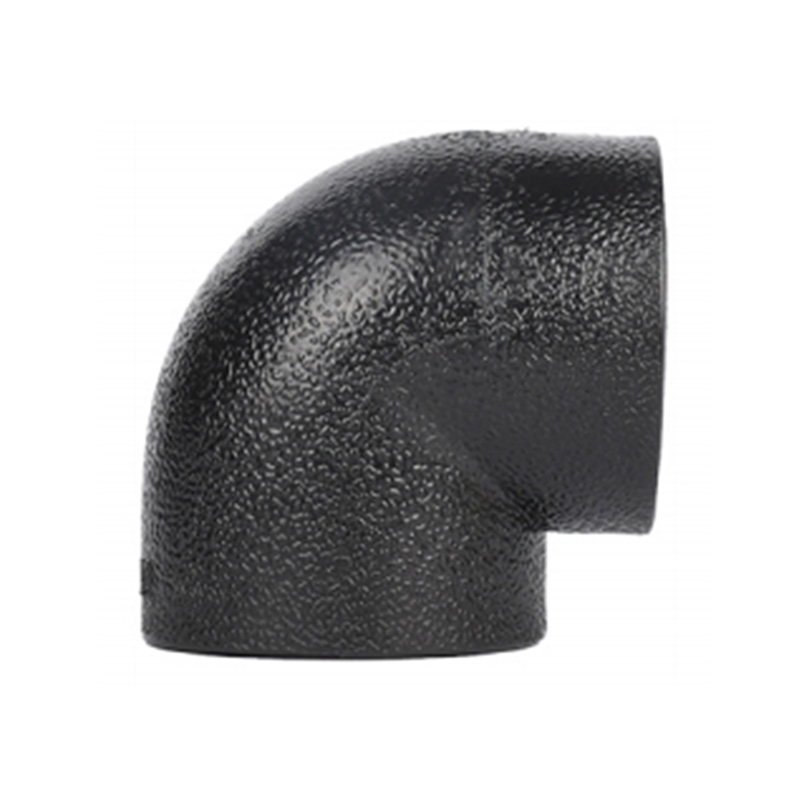
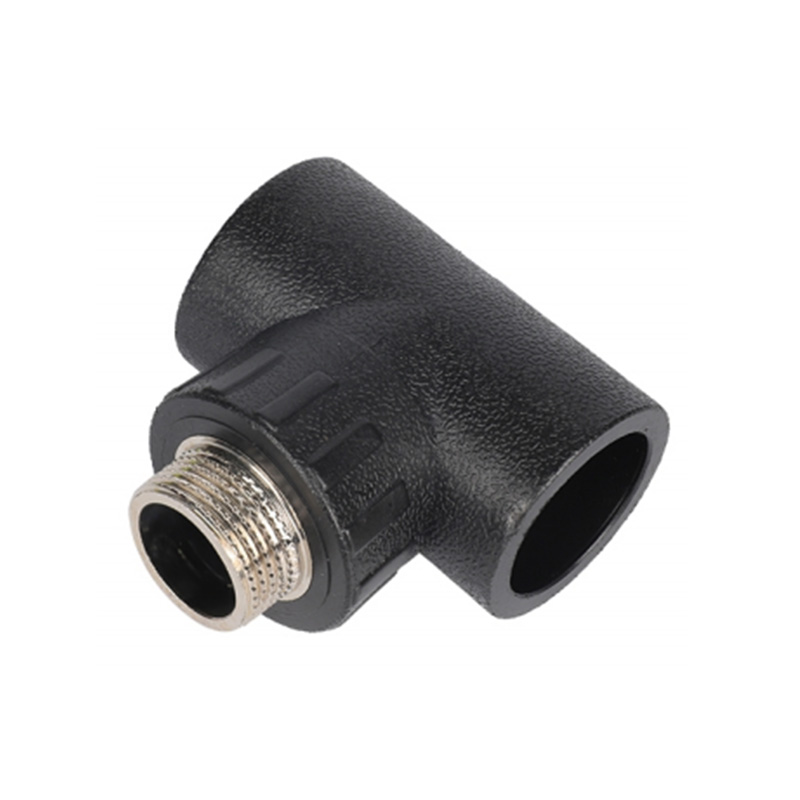
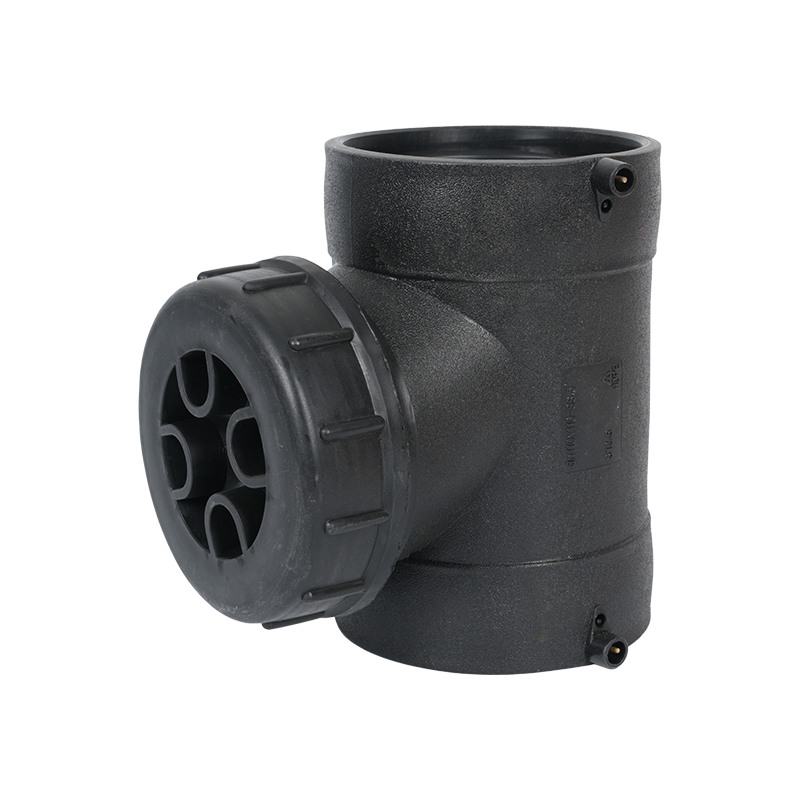
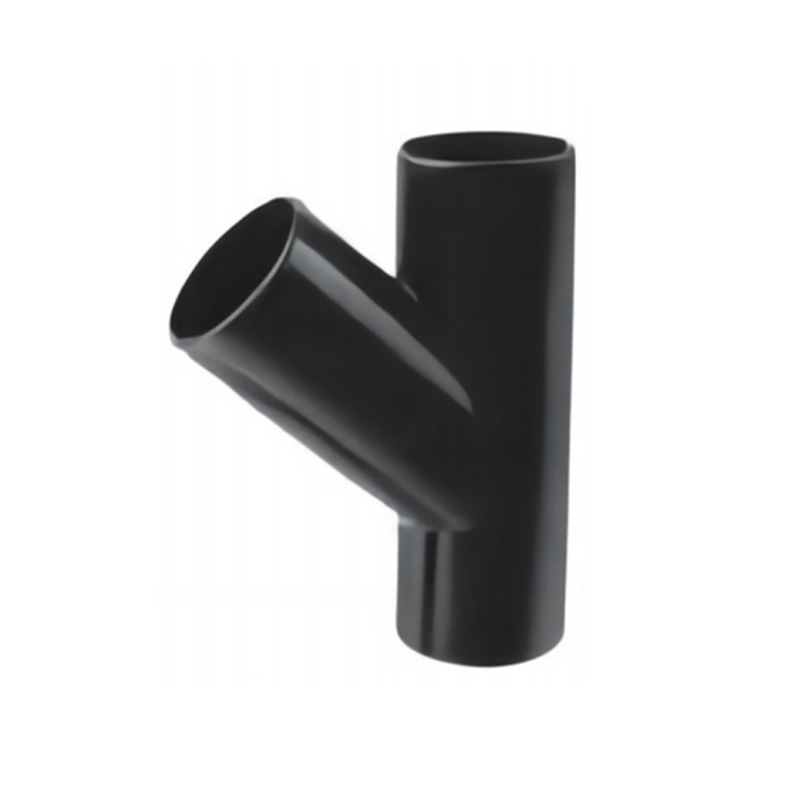
The EF Reducing Tee is a multi-functional fitting utilized to create a 90-degree branch on a PE main line where the branch line diameter is smaller than the main pipe diameter. This component efficiently combines the functions of flow division and diameter reduction into a single unit, simplifying the network structure and decreasing the number of required fittings. The structural design ensures the main pipeline's pressure integrity is maintained while providing a reliable electrofusion connection for the branch. Both the main line and branch ports utilize electrofusion technology, specifically guaranteeing the long-term gas-tightness and structural integrity of the branching point, even under significant pressure differentials. This is critically important in gas and water utility systems, as it allows for the safe tapping of smaller diameter service lines from high-pressure mains.

Technical Characteristics
Specifications
| EF Reducing Tee | T25*20 |
| T32*20 | |
| T32*25 | |
| T40*20 | |
| T40*25 | |
| T40*32 | |
| T50*25 | |
| T50*32 | |
| T50*40 | |
| T63*25 | |
| T63*32 | |
| T63*40 | |
| T63*50 | |
| T75*25 | |
| T75*32 | |
| T75*40 | |
| T75*50 | |
| T75*63 | |
| T90*25 | |
| T90*32 | |
| T90*40 | |
| T90*50 | |
| T90*63 | |
| T90*75 | |
| T110*32 | |
| T110*40 | |
| T110*50 | |
| T110*63 | |
| T110*75 | |
| T110*90 | |
| T125*32 | |
| T125*40 | |
| T125*50 | |
| T125*63 | |
| T125*75 | |
| T125*90 | |
| T125*110 | |
| T140*50 | |
| T140*63 | |
| T140*75 | |
| T140*90 | |
| T140*110 | |
| T140*125 | |
| T160*40 | |
| T160*50 | |
| T160*63 | |
| EF Reducing Tee | T160*75 |
| T160*90 | |
| T160*110 | |
| T160*125 | |
| T160*140 | |
| T180*63 | |
| T180*75 | |
| T180*90 | |
| T180*110 | |
| T180*125 | |
| T180*140 | |
| T180*160 | |
| T200*50 | |
| T200*63 | |
| T200*75 | |
| T200*90 | |
| T200*110 | |
| T200*125 | |
| T200*140 | |
| T200*160 | |
| T200*180 | |
| T225*110 | |
| T225*125 | |
| T225*140 | |
| T225*160 | |
| T225*180 | |
| T225*200 | |
| T250*90 | |
| T250*110 | |
| T250*125 | |
| T250*160 | |
| T250*200 | |
| T250*225 | |
| T280*110 | |
| T280*125 | |
| T280*160 | |
| T280*200 | |
| T280*225 | |
| T280*250 | |
| T315*90 | |
| T315*110 | |
| T315*125 | |
| T315*160 | |
| T315*200 | |
| T315*225 | |
| T315*250 | |
| T355*110 | |
| T355*125 | |
| T355*160 | |
| T355*200 | |
| T355*225 | |
| T355*250 | |
| T355*315 | |
| T400*110 | |
| T400*125 | |
| T400*160 | |
| T400*200 | |
| T400*225 | |
| T400*250 | |
| T400*315 |
About Us
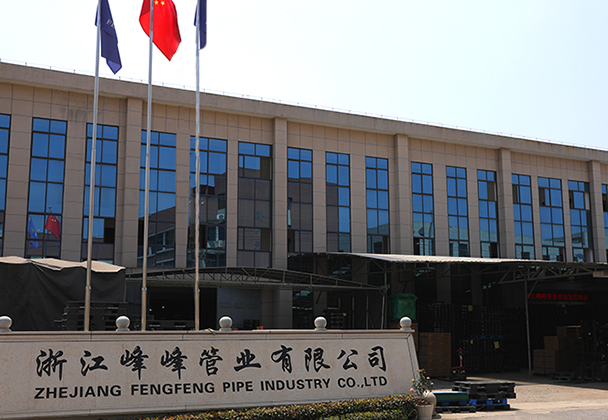
Zhejiang Fengfeng Pipe Industry Co., Ltd.
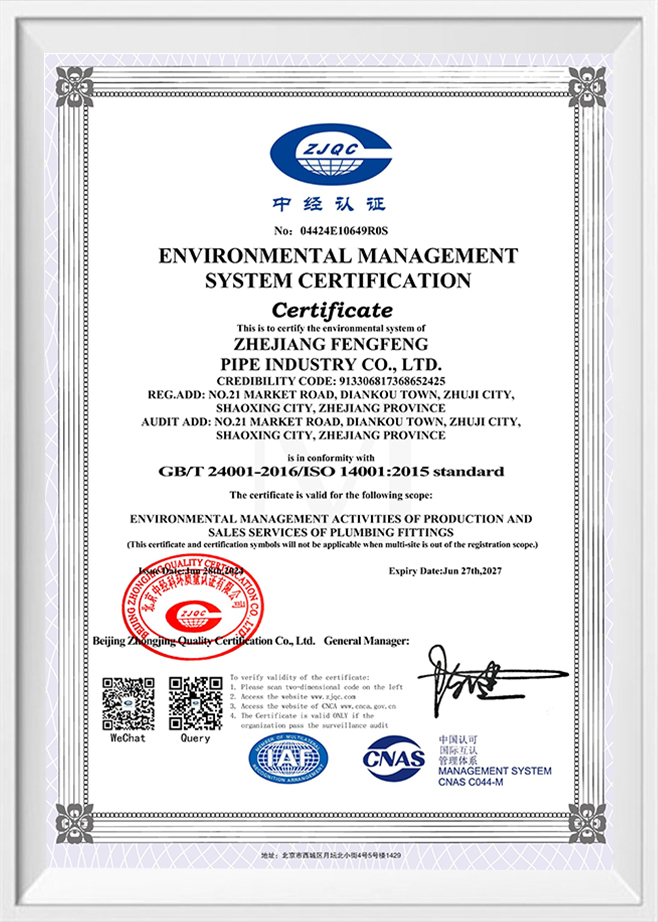
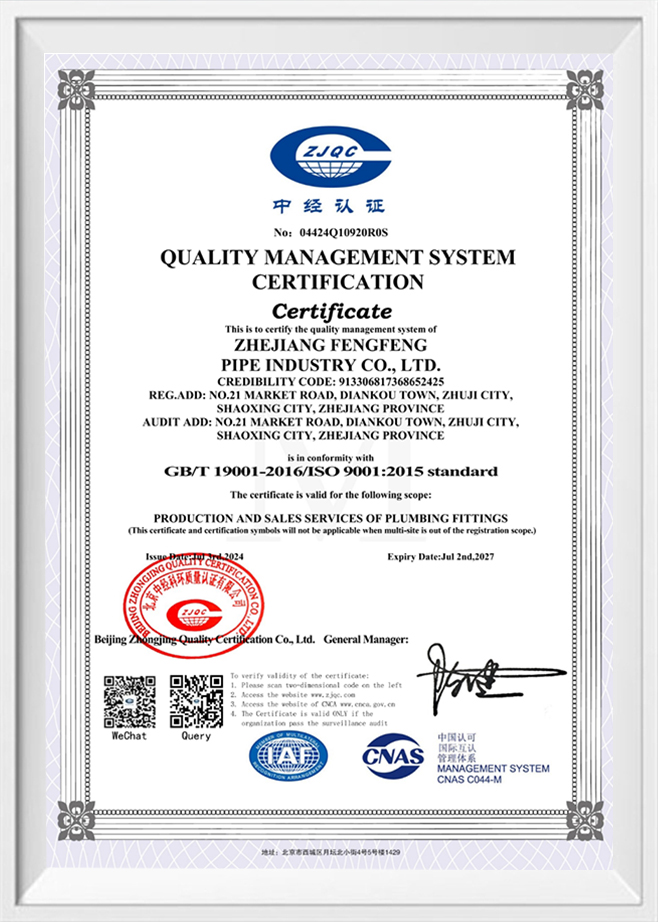
Zhejiang Fengfeng Pipe Industry Co., Ltd. is Wholesale EF Reducing Tee Manufacturers and OEM EF Reducing Tee Suppliers, which is an industrial company integrating design, manufacturing, marketing, and service. The company was established in 2002 and is located in Diankou, Zhuji Industrial Zone, the beautiful hometown of Xishi. It is within the coverage of the Yangtze River Delta Economic Belt. The transportation of the company is convenient, allowing direct access to Shanghai Port and Ningbo Port via the Zhejiang-Jiangxi Railway and the Hang-Jin-Qu Expressway. It is only a half-hour drive from Xiaoshan International Airport. Since the establishment of the factory, we have taken "integrity management, mutual benefit, and win-win" as our business purpose. The production of pipes and pipe fittings adopts a variety of advanced and high-tech production equipment imported from abroad. All products are produced in accordance with the international quality management system ISO9001:2000 standard and the international environmental management system ISO14001 standard. Product quality is underwritten by PICC. Our pipes and fittings have a lifespan of over 50 years. The main brand products are PP-R pipes and pipe fittings, PP-R glass fiber pipes, PP-R aluminum-plastic pipes, PE-RT floor heating pipes, PE electric melting pipe fittings (50-1200mm), aluminum-plastic pipes, brass pipe fittings, plumbing hoses, and more. The company has a group of high-quality professionals and marketing service personnel and has developed a nationwide sales network. Additionally, products are also exported to Europe, the United States, Southeast Asia, and the Middle East. Let us be honest and create the future together.
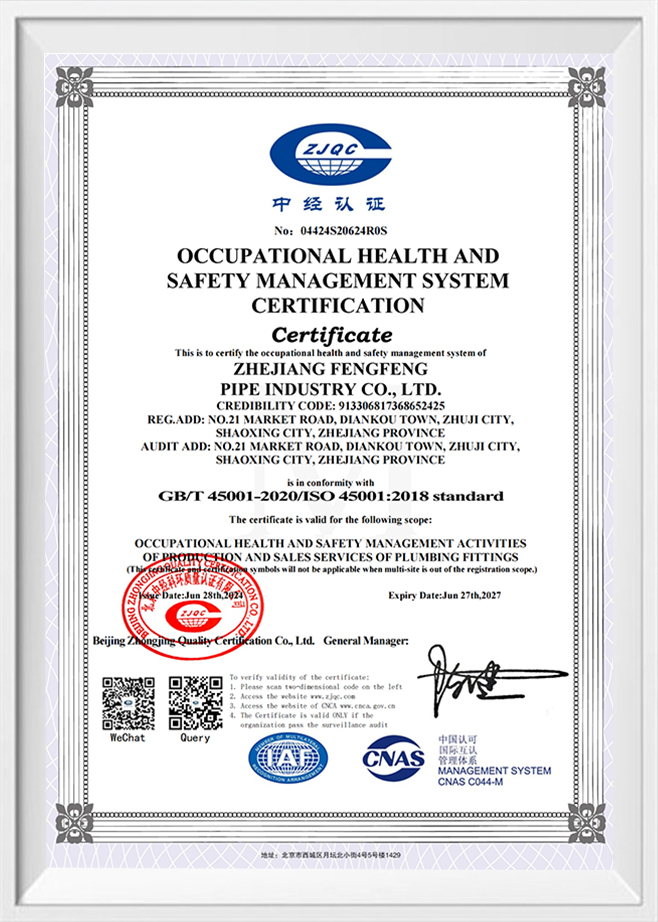
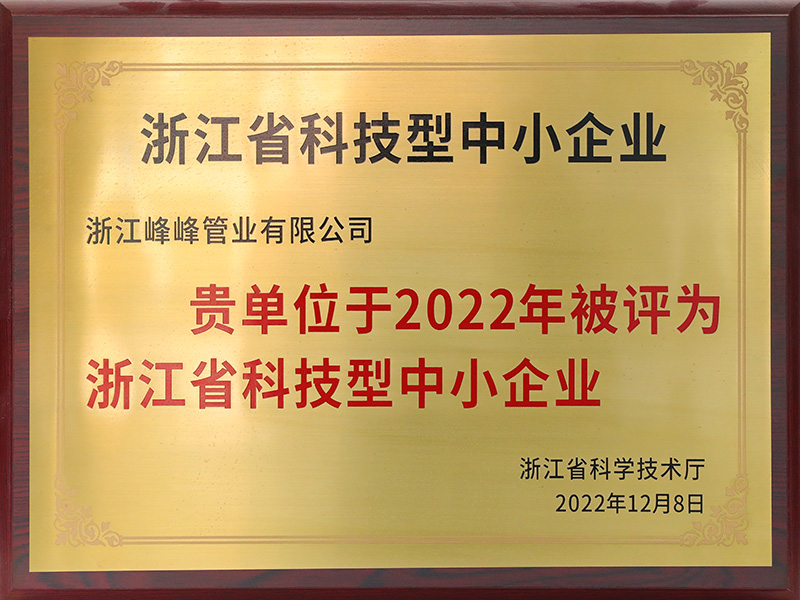
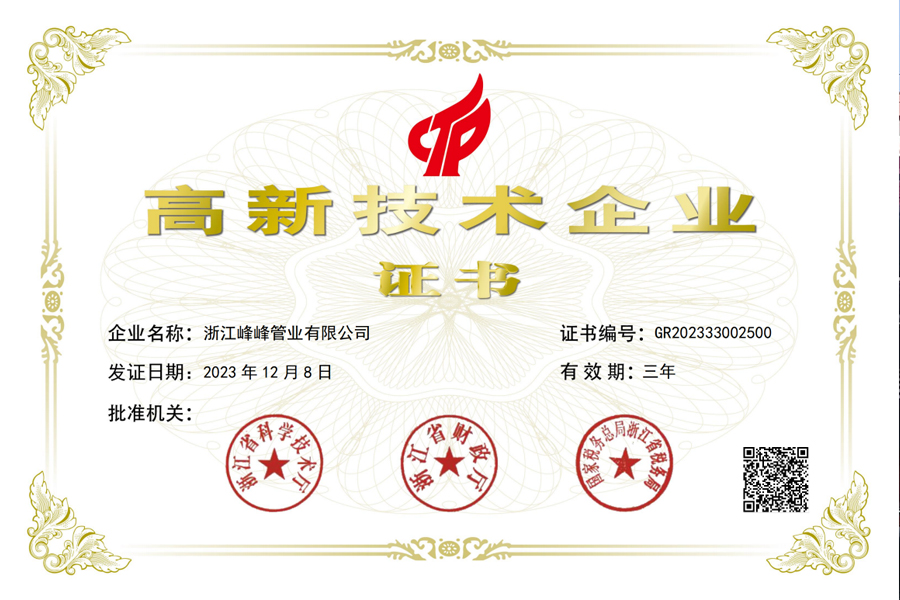
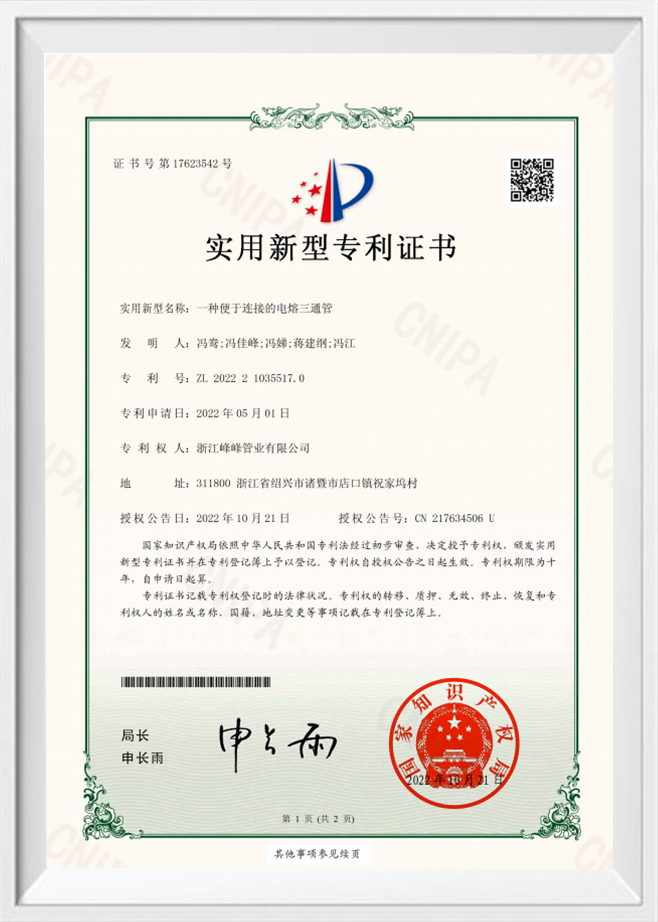
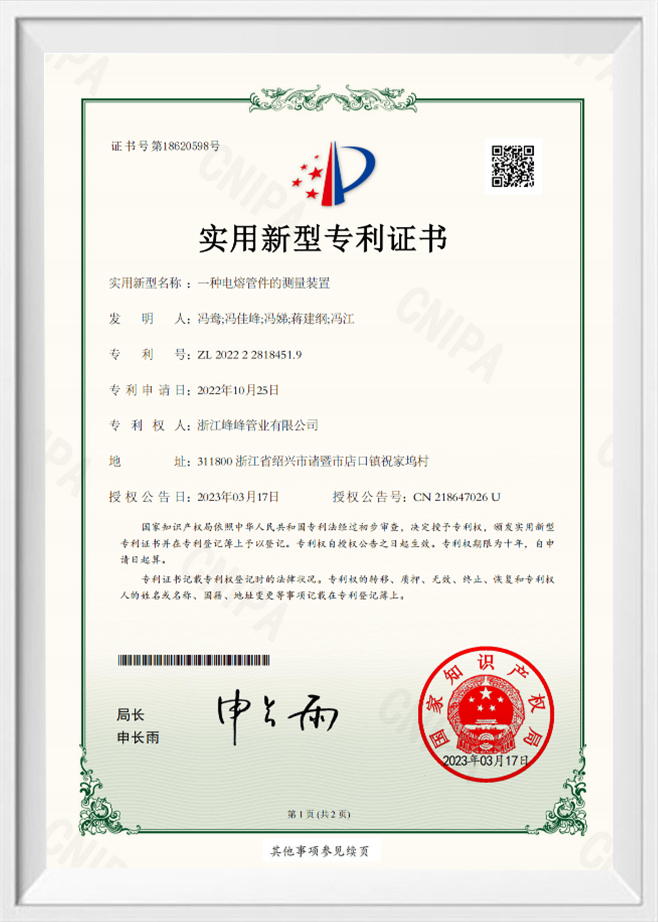
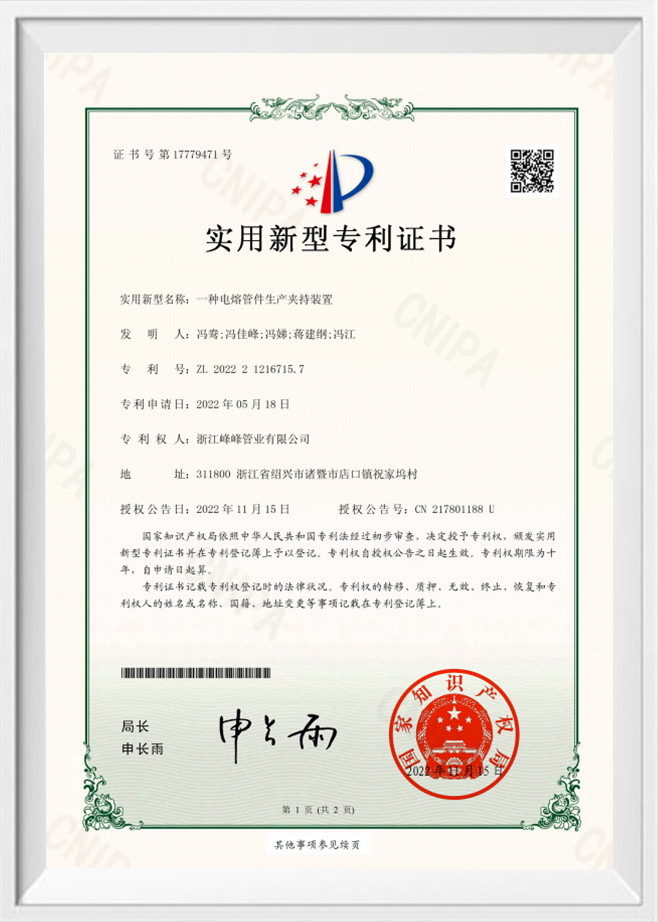
Certificate Of Honor
News
-
Short answer: HDPE pipe fittings are divided by connection method and by function. The connection method includes butt fusion, electrofusion, socket fusion, threaded, compression and flanged types. T...
READ MORE -
Along most of the HDPE pipelines being buried around the world today, one joining process appears again and again: butt fusion. A crew clamps two pipe ends into a hydraulic fusion machine, faces them...
READ MORE -
A 110 mm PE100 water main cannot be glued, threaded, or solvent-welded — it has to be fused or mechanically gripped, and that single fact drives every fitting decision on an HDPE project. The fitting...
READ MORE
KEEP IN TOUCH

About Us
Zhejiang Fengfeng Pipe Industry Co., Ltd. uses efficient single screw injection molding machines for high productivity and low energy use.
Products link
Contact
-

+86-19858193396
+86-13735359894 -

+86-0574-63555288
-

-

No. 21, Market Road, Diankou Town, Zhuji City, Shaoxing City, Zhejiang Province, China