


 English
 中文简体
中文简体 русский
A plumbing crew working on a sewer lateral replacement has just laid 20 meters of HDPE drain pipe. At the building wall, the discharge end has to con...
READ MOREProduct Series
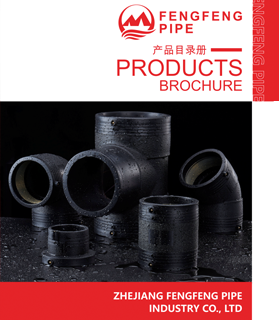
HDPE Socket Fusion Fitting Manufacturers
-
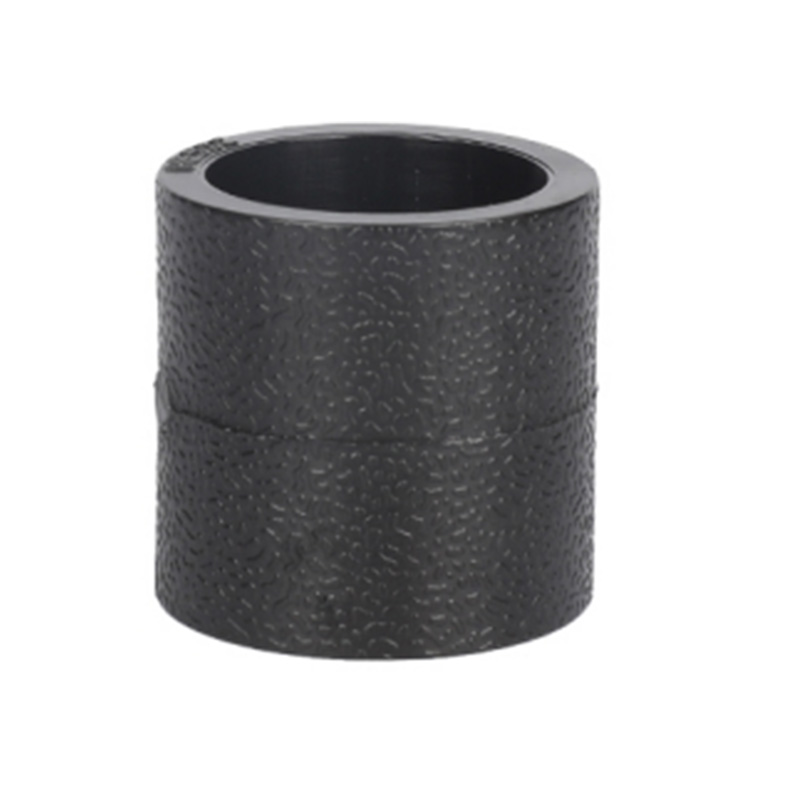
HDPE Socket Fusion Equal Coupler
Parameters:
As a pipe connector, the HDPE Socket Fusion Equal Coupler has better sealing performance. It adopts ...read more -
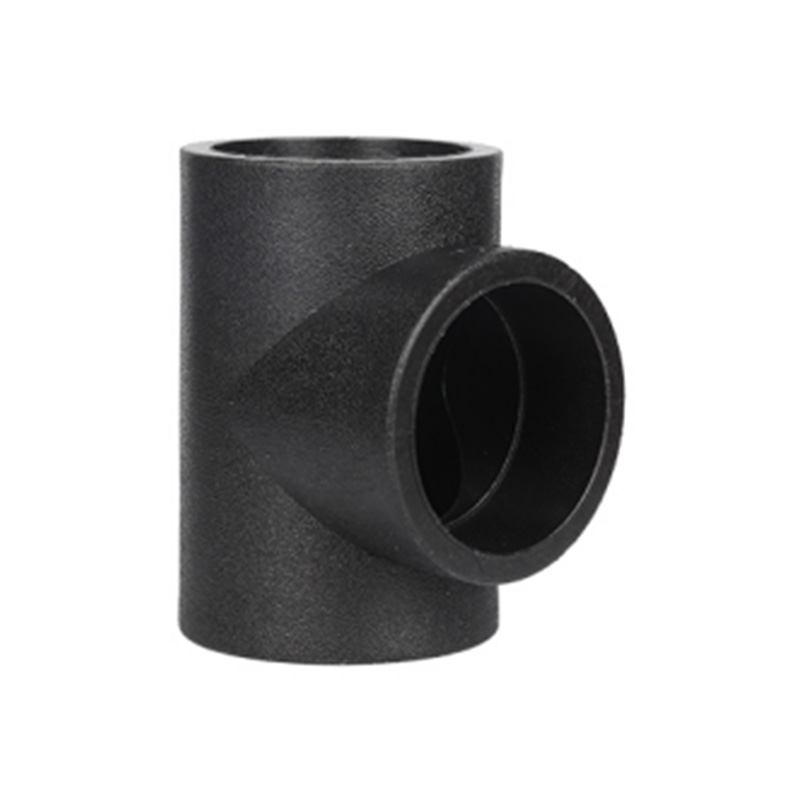
HDPE Socket Fusion Equal Tee
Parameters:
HDPE Socket Fusion Equal Tee is made of high-density polyethylene (HDPE) material with better corros...read more -
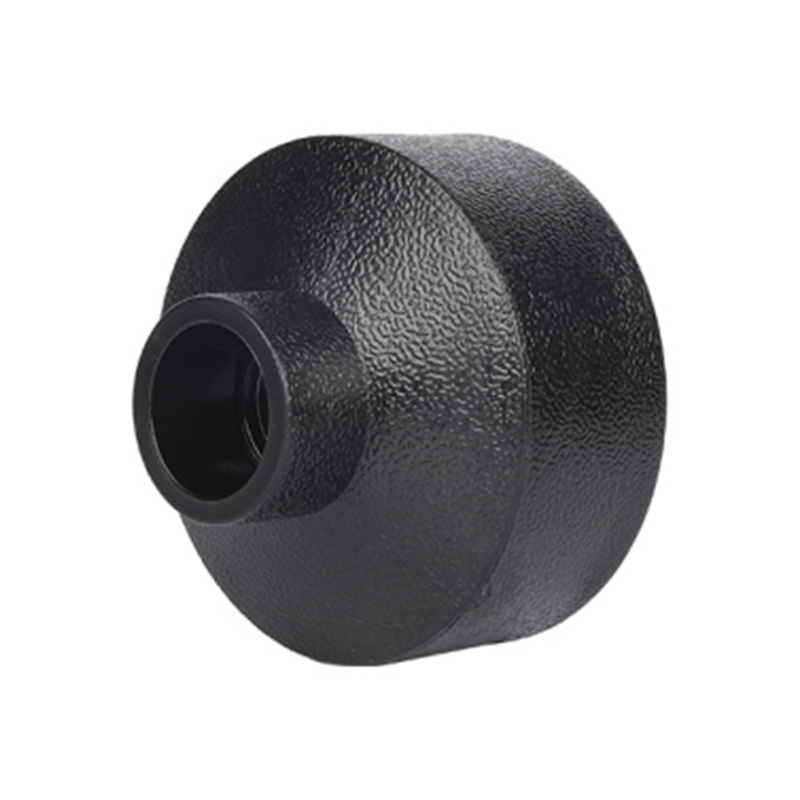
HDPE Socket Fusion Reducing Coupler
Parameters:
The main advantages of HDPE Socket Fusion Reducing Coupler are its better performance and premium qu...read more -
HDPE Socket Fusion Reducing Tee
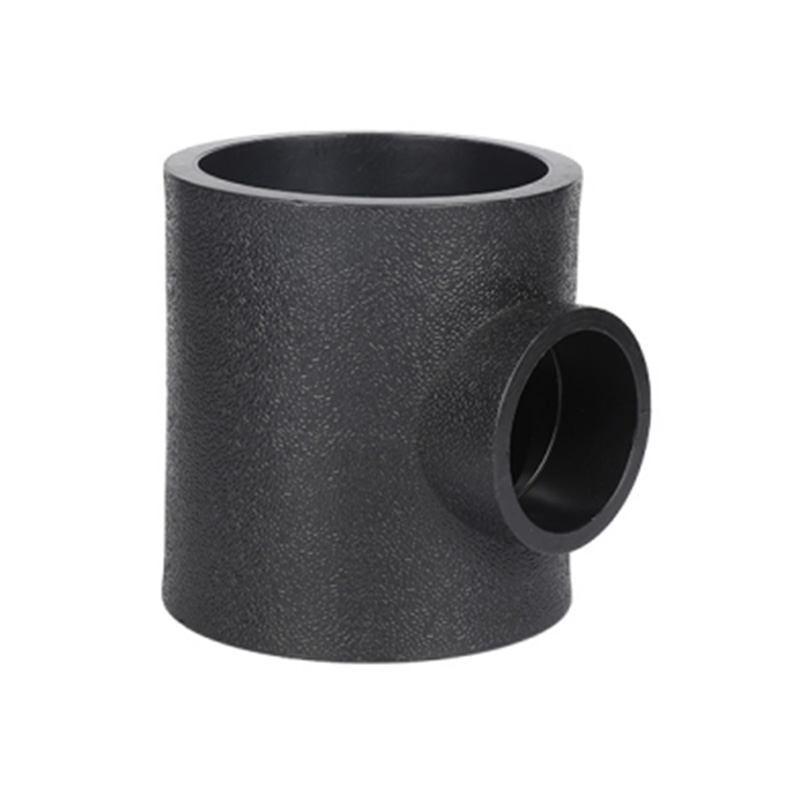
Parameters:
As a lightweight, durable material with good chemical stability, HDPE (high-density polyethylene) ha...read more -
HDPE Socket Fusion 90 Degree Elbow
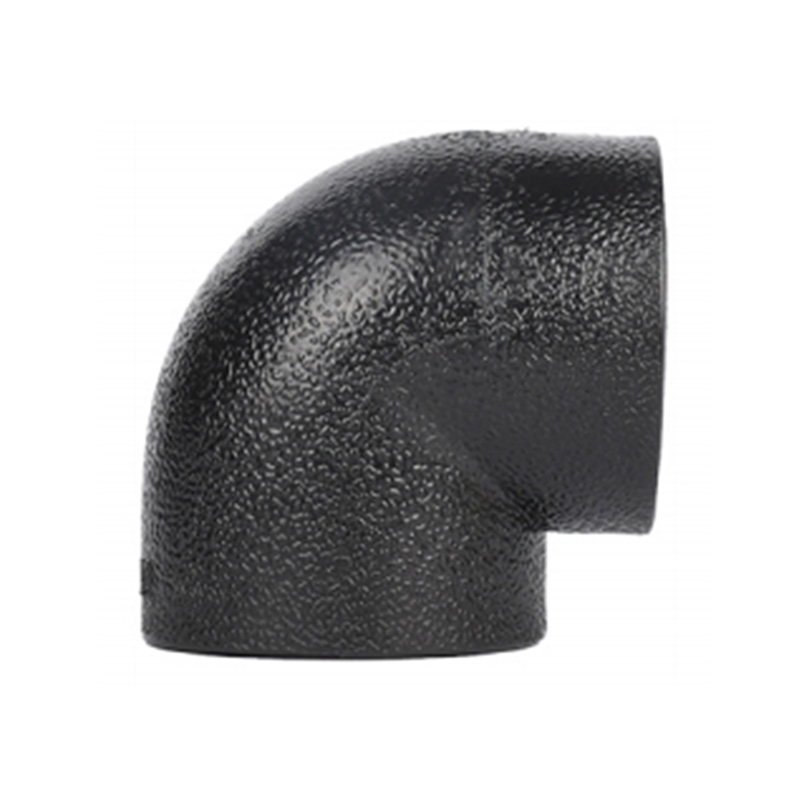
Parameters:
Zhejiang Fengfeng pipe industry's HDPE Socket Fusion 90-Degree Elbow is a type of HDPE (High-Density...read more -
HDPE Socket Fusion 45 Degree Elbow
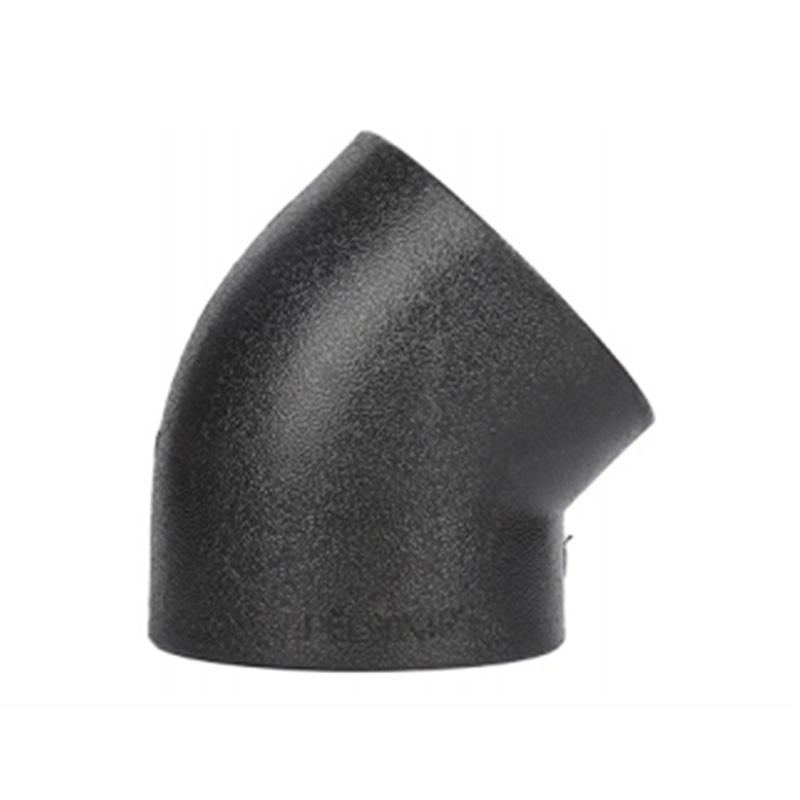
Parameters:
HDPE Socket Fusion 45-Degree Elbow offers corrosion resistance. Because its main material is high-de...read more -
HDPE Socket Fusion End Cap
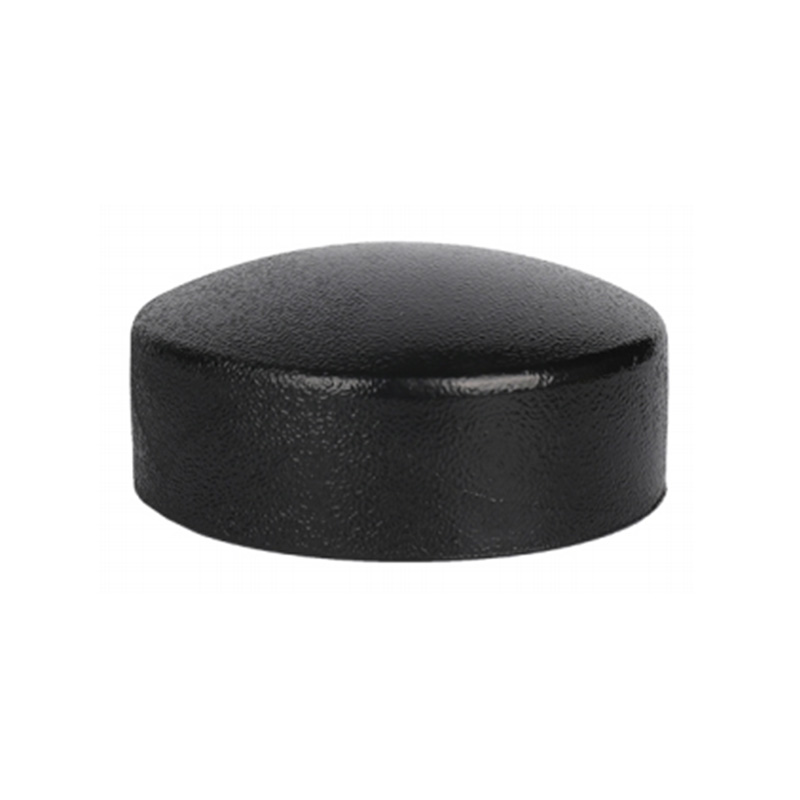
Parameters:
HDPE Socket Fusion End Cap has high strength and rigidity and can withstand large pipeline pressure ...read more -
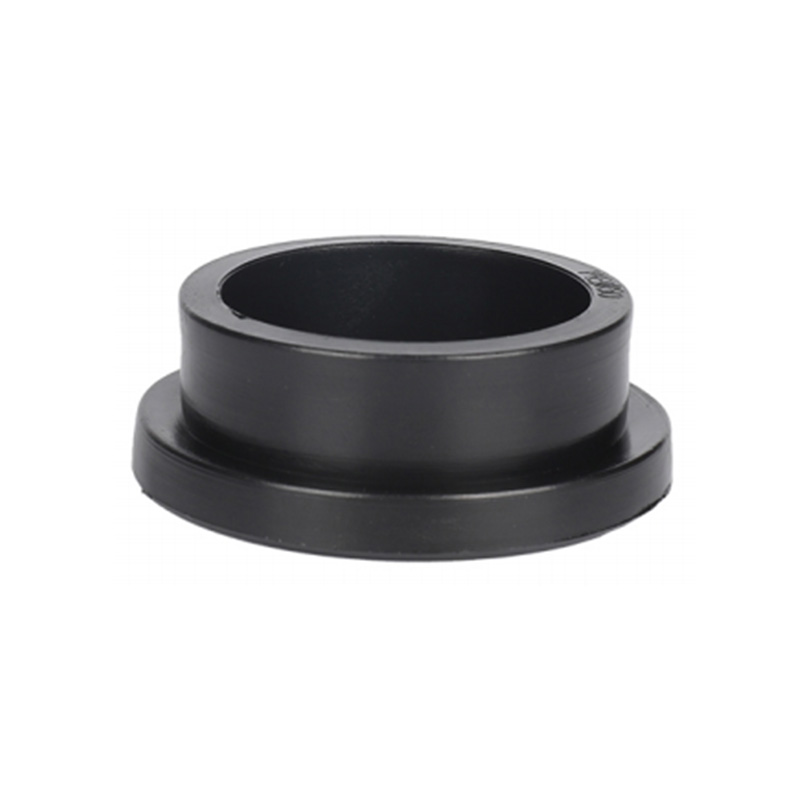
HDPE Socket Fusion Flange
Parameters:
HDPE Socket Fusion Flange uses high-density polyethylene (HDPE) as the main material, which has bett...read more
Socket Fusion Fitting is a high-strength, corrosion-resistant, reliable-sealing pipe connection system that can be used for various pipe materials, such as polyethylene (PE), polypropylene (PP), and polyvinyl chloride (PVC). One of its main features is its easy-to-use installation process that requires no special tools, just a heating plate and connector to complete the connection. This connection method not only saves time and effort but is also very safe and reliable. After the pipes and connectors are heated to a certain temperature by the heating plate, they are quickly connected together and a solid connection is formed after cooling. The entire process is quick and easy, requiring no additional adhesive or sealing materials.
Socket Fusion Fitting has better corrosion resistance. No chemicals are involved in the connection process and will not have a corrosive effect on pipe materials. This makes Socket Fusion Fitting very suitable for various chemical media delivery systems, such as acid and alkali liquids, chemicals, etc. At the same time, this connection method can also effectively prevent leakage at pipeline connections and ensure the safe operation of the pipeline system.
The connection strength of Socket Fusion Fitting is very high. Through a hot-melt connection, the molecular structures of the pipe and connector are rearranged and combined to form a strong connection. This connection method can withstand high pressure and tension, ensuring the stable operation of the pipeline system in high-pressure environments. In addition, Socket Fusion Fitting also has good heat resistance and can maintain the stability of the connection in high-temperature environments.
About Us
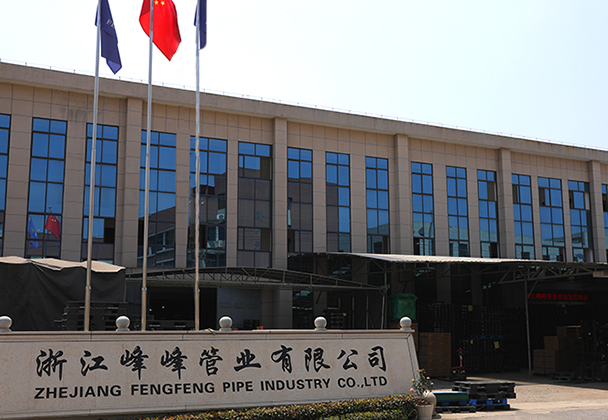
Zhejiang Fengfeng Pipe Industry Co., Ltd.
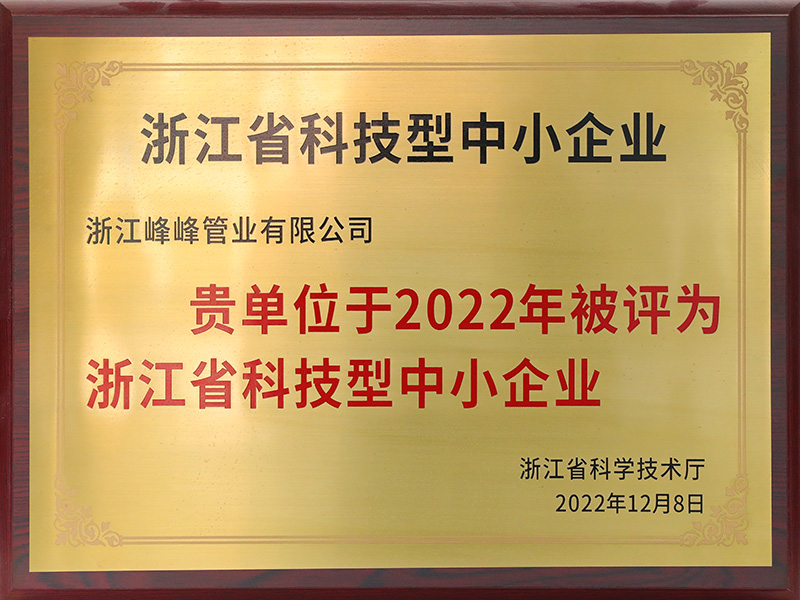
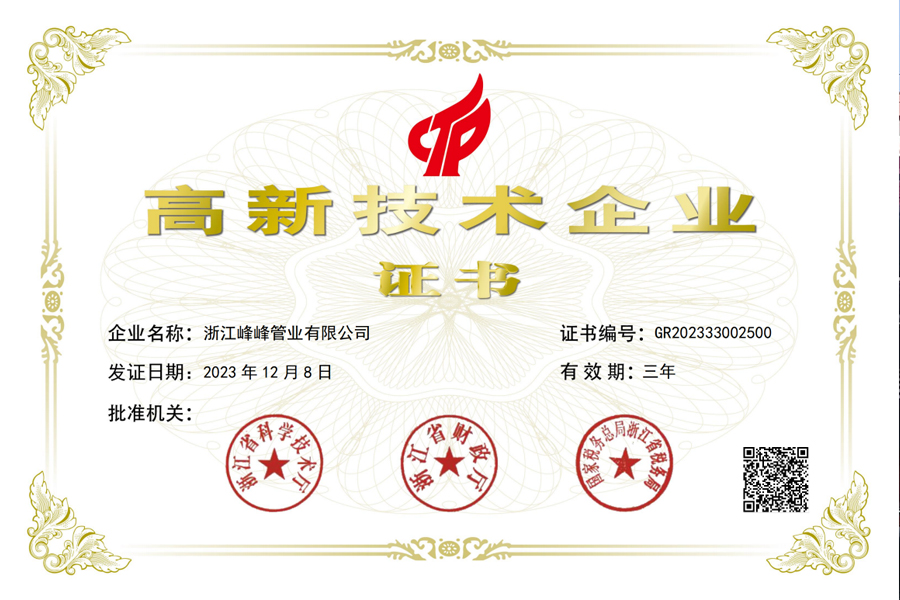
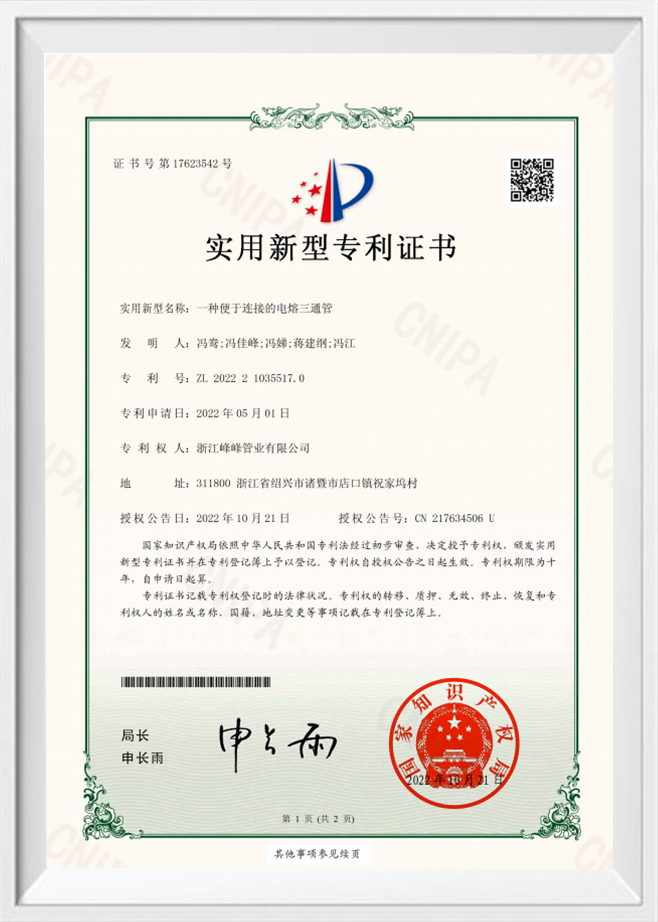
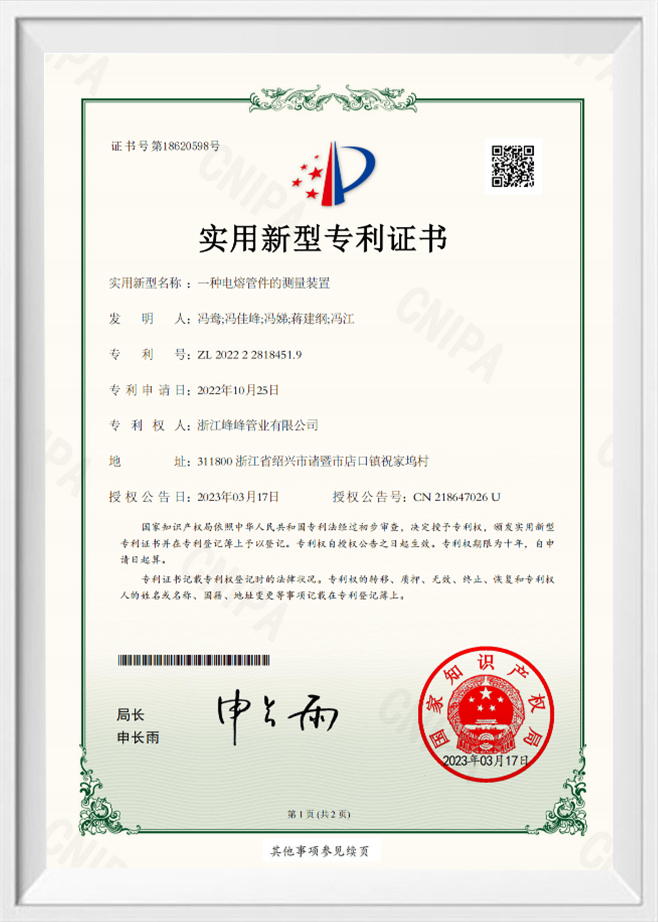
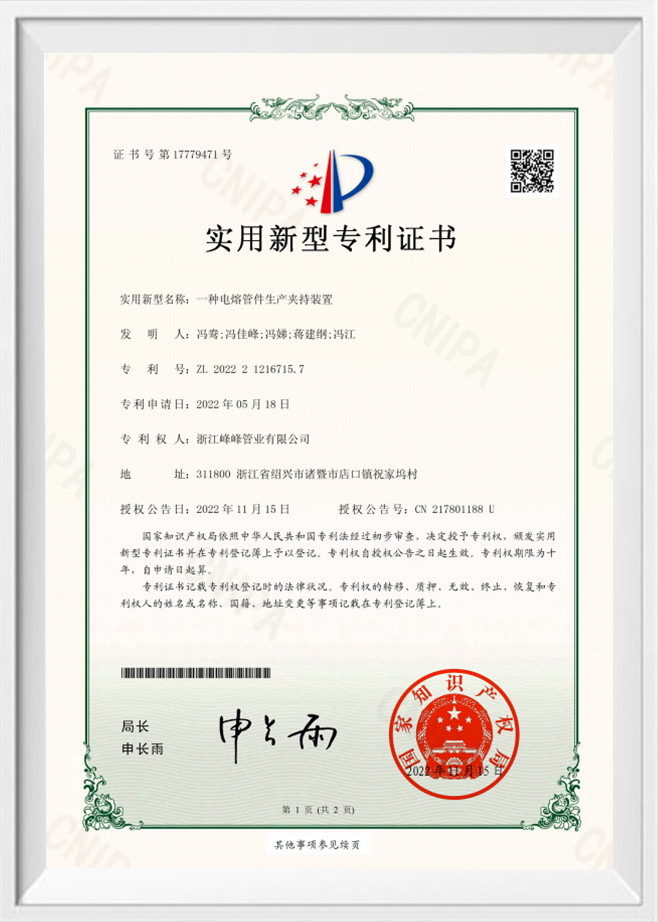
Zhejiang Fengfeng Pipe Industry Co., Ltd. is an industrial company integrating design, manufacturing, marketing, and service. The company was established in 2002 and is located in Diankou, Zhuji Industrial Zone, the beautiful hometown of Xishi. It is within the coverage of the Yangtze River Delta Economic Belt. The transportation of the company is convenient. It can directly reach Shanghai Port and Ningbo Port via the Zhejiang-Jiangxi Railway and Hang-Jin-Qu Expressway. It is only half an hour's drive from Xiaoshan International Airport. Since the establishment of the factory, we have been taking "integrity management, mutual benefit, and win-win" as our business purpose.
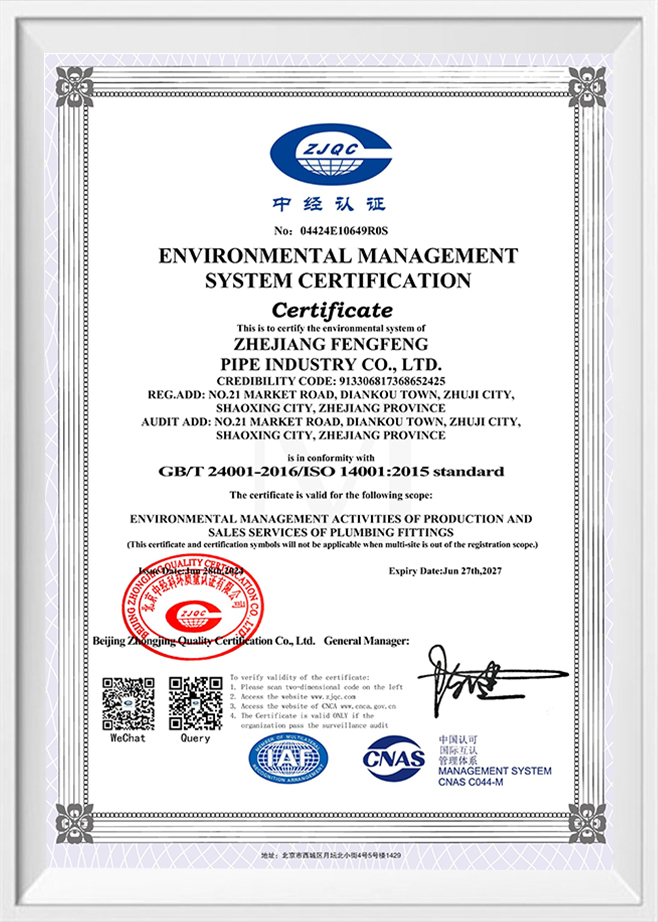
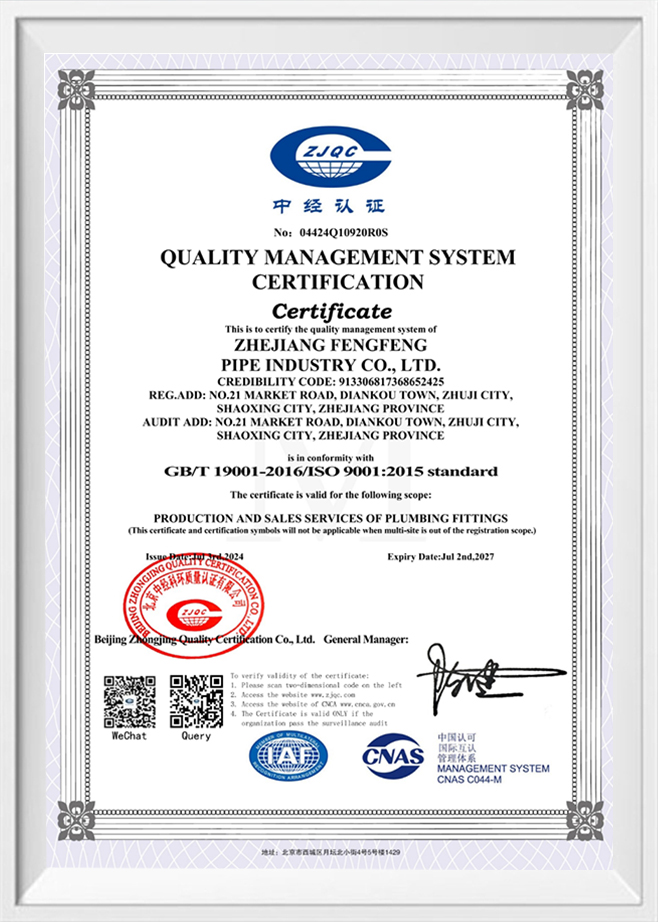
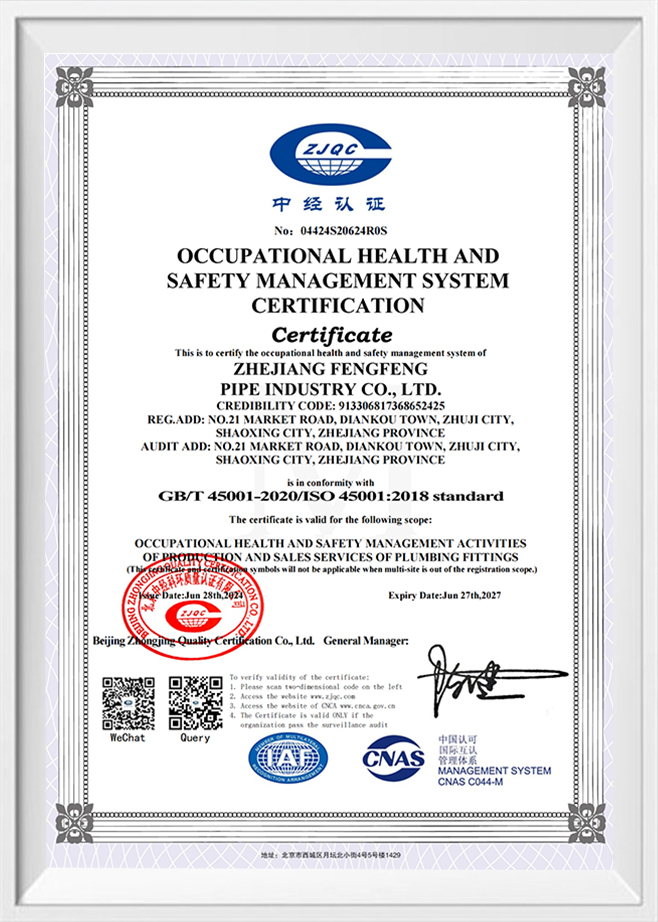
As China HDPE Socket Fusion Fitting Manufacturers and Custom Socket Fusion Fitting Series Factory, the production of pipes and pipe fittings adopts a variety of advanced and high-tech production equipment imported from abroad. The company is committed to maintaining the better standards of quality and environmental management. All products are produced in accordance with the international quality management system ISO9001:2000 standard and the international environmental management system ISO14001 standard. Product quality is underwritten by PICC...Our pipes and fittings have a lifespan of over 50 years. The main brand products are PP-R pipe and pipe fittings, PP-R glass fiber pipe, PP-R aluminum-plastic pipe, PE-RT floor heating pipe, PE electric melting pipe fitting 50-1200mm, aluminum-plastic pipe, brass pipe fitting, plumbing hose Wait. The company has a group of high-quality professionals and marketing service personnel and develops a nationwide sales network. On the other hand, products are also exported to Europe, the United States, Southeast Asia, and the Middle East. Let us be honest and create the future together.
Certificate Of Honor
News
-
-
Short answer: HDPE pipe fittings are divided by connection method and by function. The connection method includes butt fusion, electrofusion, socket ...
READ MORE -
Along most of the HDPE pipelines being buried around the world today, one joining process appears again and again: butt fusion. A crew clamps two pip...
READ MORE -
A 110 mm PE100 water main cannot be glued, threaded, or solvent-welded — it has to be fused or mechanically gripped, and that single fact drives ever...
READ MORE
KEEP IN TOUCH
Industry Knowledge
Applicability advantages of HDPE socket fusion fitting in oil and gas pipelines
Adaptability to extreme environments
During the exploration and production of oil and gas, pipeline systems often need to cross complex and changeable terrain and climatic conditions, including extreme environments such as deserts, polar regions, mountains and oceans. HDPE socket fusion fitting can maintain stable performance in these harsh environments due to its excellent corrosion resistance and good weather resistance. Its material properties enable it to effectively resist ultraviolet radiation, extreme temperature fluctuations and salt spray corrosion, ensuring the long-term safe operation of the oil and gas pipeline system.
Stability in high pressure and high temperature environments
Oil and gas pipelines often need to withstand high pressure and temperature during transportation. HDPE socket fusion fitting uses hot melt connection technology to form a molecular-level bond between the pipe and the connector, thereby providing extremely high connection strength. This connection method can withstand the operating pressure of the oil and gas pipeline system under high pressure. At the same time, the HDPE material itself has good heat resistance, which can maintain the stability and sealing of the connection under high temperature conditions, ensuring the continuity and safety of oil and gas transmission.
Chemical compatibility
The media transported in oil and gas pipelines often contain a variety of chemicals, such as crude oil, natural gas, chemical additives, etc. These media may corrode the pipeline materials. HDPE socket fusion fitting does not involve any chemicals in the connection process, will not corrode the pipeline materials, and its material itself has good chemical stability and can resist the erosion of various chemical media. This makes HDPE socket fusion fitting have significant adaptability advantages in oil and gas pipeline systems that transport corrosive media.
Quick installation and maintenance
The construction and maintenance of oil and gas pipeline systems often require efficient construction speed and convenient operation methods. The installation process of HDPE socket fusion fitting is simple and easy to use, and no special tools are required. Only heating plates and connectors are required to complete the connection. This quick and easy installation method can greatly shorten the construction period and reduce installation costs. At the same time, when the pipeline system needs maintenance or replacement of accessories, HDPE socket fusion fitting can also be quickly disassembled and reinstalled to improve maintenance efficiency.
HDPE socket fusion fitting has a wide range of applicability in oil and gas pipelines, and its excellent performance characteristics can meet the requirements of oil and gas pipeline systems for corrosion resistance, sealing, pressure bearing capacity, heat resistance, and quick installation and maintenance. Zhejiang Fengfeng Pipe Industry Co., Ltd., as a professional HDPE socket fusion fittings manufacturer, is committed to providing customers with high-quality, high-performance HDPE socket fusion fittings with its advanced technology, strict quality control and rich product line.

About Us
Zhejiang Fengfeng Pipe Industry Co., Ltd. uses efficient single screw injection molding machines for high productivity and low energy use.
Products link
Contact
-

+86-19858193396
+86-13735359894 -

+86-0574-63555288
-

-

No. 21, Market Road, Diankou Town, Zhuji City, Shaoxing City, Zhejiang Province, China